Explore our foundational safety and specialized automotive glass assemblies optimized for maximum resilience.
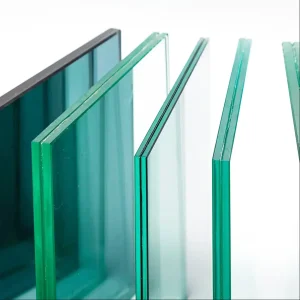
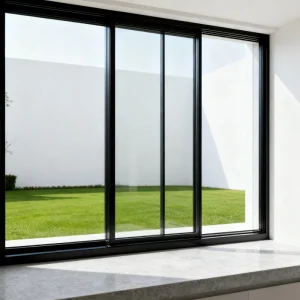
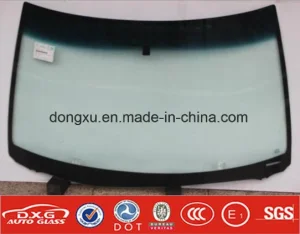
The safety glass industry has transitioned from a structural component sector into a multi-billion dollar engineering domain. Modern buyers represent complex verticals—automotive manufacturers, commercial building construction conglomerates, defense contractors, and specialized vehicle builders. The requirements are no longer restricted to basic impact resistance. Today, global supply chains look for multi-functional units combining acoustic dampening, thermal efficiency, security profiles, and smart active properties such as electrochromic light modulation.
China remains the epicenter of the global safety glass supply matrix. This dominance is driven by integrated vertical supply structures, extensive advanced raw sand deposits, sophisticated float lines, and state-of-the-art tempering and lamination complexes. Global procurement officers face the challenge of locating manufacturers that don't just offer lower cost points, but deliver true compliance through advanced Quality Management Systems (QMS), verifiable laboratory testing, and international certs including the American Department of Transportation (DOT), the European E-mark (ECE R43), and China's Compulsory Certification (CCC).
To understand performance differences in safety glass, it is crucial to analyze the engineering processes behind tempering and lamination:
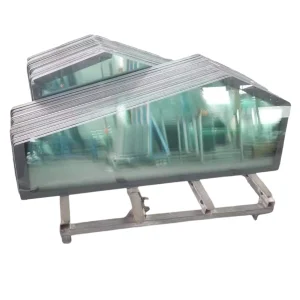
Glass is heated to approximately 620-650°C and then quickly quenched by high-pressure cold air. This creates compressive stress on the outer surface and tensile stress on the inside. When broken, it fragments into small, dull-edged, granular pieces, reducing injury risk.
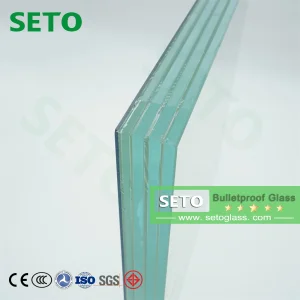
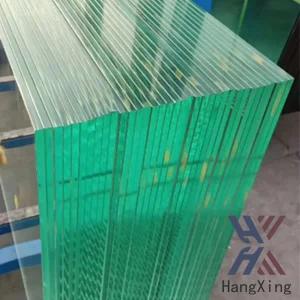
Using Polyvinyl Butyral (PVB) or SentryGlas Plus (SGP) interlayers between glass panes. The assembly undergoes heat and pressure inside an autoclave (typically at 12-15 bar and 135-145°C) to form a crystal-clear, structural composite that holds fragments upon impact.
By vacuum-depositing transparent conductive oxides (TCO) and electrochromic coatings directly onto the glass surfaces, voltage shifts rearrange lithium ions to change light transmission from clear to dark tint dynamically.
Shandong AGS Glass Co., Ltd is an established, specialized manufacturer dedicated to high-performance automotive and industrial safety glass products. Our capabilities support global vehicle platforms, infrastructure projects, and specialty vehicle applications.
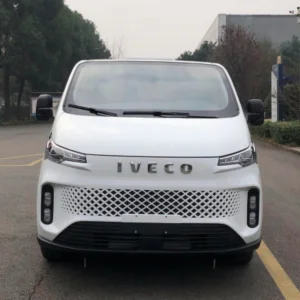
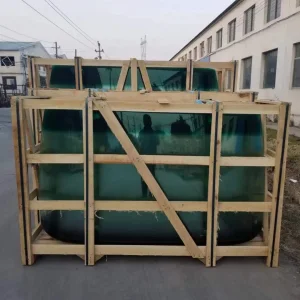
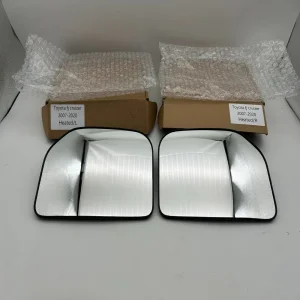
Our core product catalog features laminated glass, tempered safety glass, integrated frames with glass assemblies, heavy transport and bus glass, tungsten-heated elements, electric vehicle (EV) windshield panels, custom truck glazing, agricultural machinery cabs, and heavy engineering excavator safety profiles.
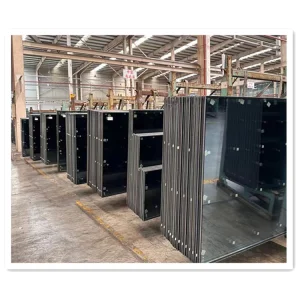
Currently, our state-of-the-art production complex extends across a 30,000 square meter facility. Operating with a workforce exceeding 100 skilled professionals, the company has integrated a dedicated technical core containing 12 senior and intermediate engineers who manage our continuous prototyping, process verification, and internal material research programs.
Quality at AGS is backed by top international automotive standards. In 2015, AGS completed the certifications for both ISO/TS-16949 and ISO-9001, satisfying the premier automotive supply chain quality management benchmarks globally. Our product lines carry verified compliance labels for China's CCC, Europe's E-mark, and the United States' DOT.
Manufacturing Base
Employees
Senior Technicians
16949 Certified
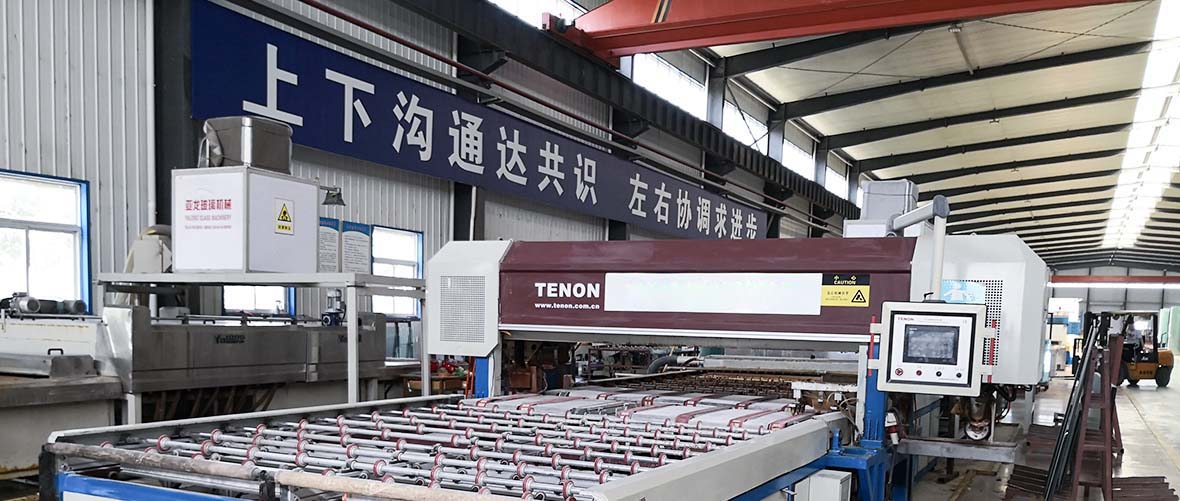
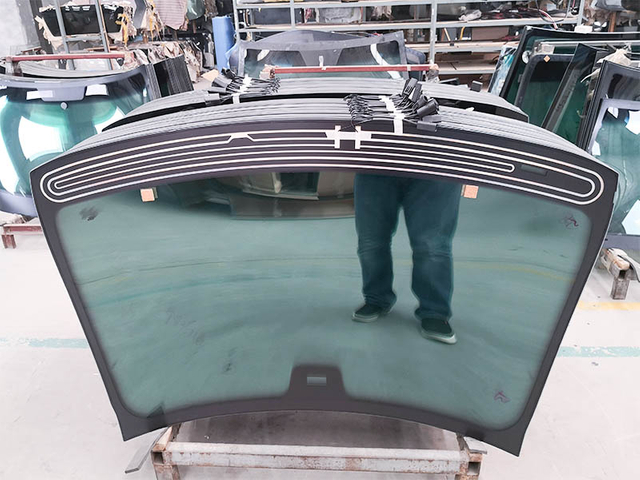
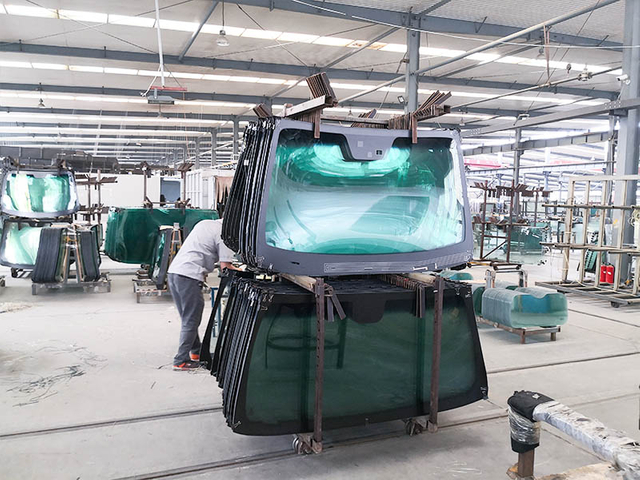
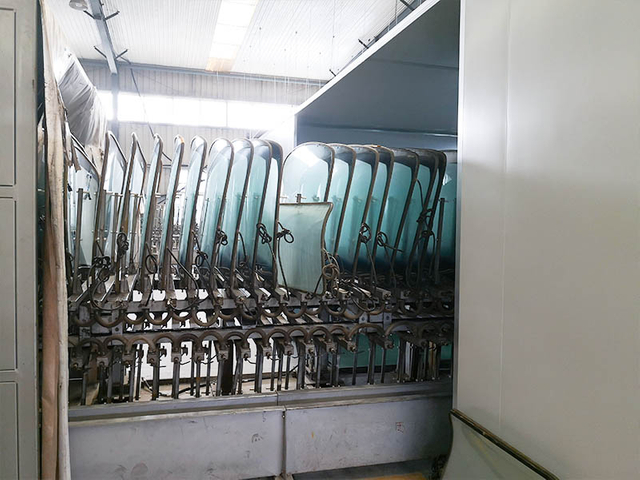
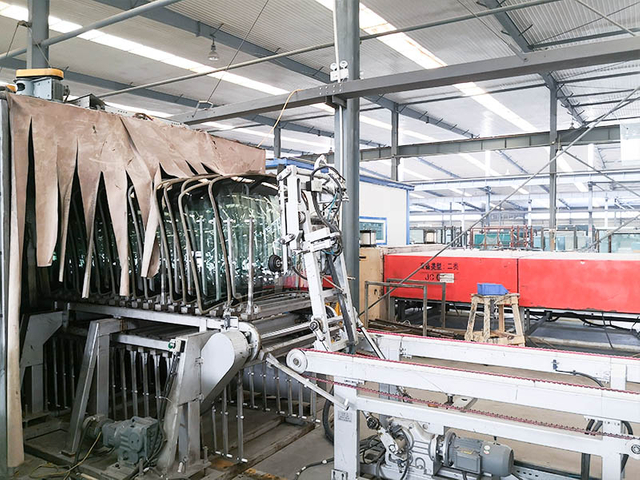
Selecting safety glass configurations requires analyzing the mechanical loads, thermal variations, and environmental forces of each specific application:
A. Excavators & Heavy Industrial Machinery: Cabin environments in open-pit mining, forestry, and urban construction are exposed to continuous impact, high vibrations, and thermal swings. Tempered safety glass for excavator cabs must undergo strict dimensional monitoring to prevent stress concentration at structural points. We maintain tighter curvature tolerances to ensure accurate seals and easy installation.
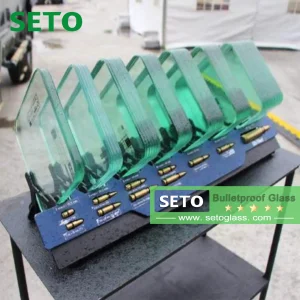
B. Cash-In-Transit & Tactical Vehicles: For high-threat transport, our multi-layered laminated structures combine PVB/SGP interlayers and polycarbonate back-sheets. This design halts ballistic threats while preventing spalling (the high-velocity ejection of glass fragments inside the cabin).
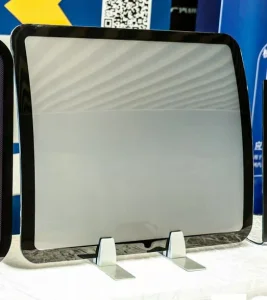
C. Smart Architectural Glass: Combining electrochromic properties with double-pane insulated glazing units (IGUs) allows developers to lower HVAC energy consumption. By integrating conductive metal oxide coatings on raw glass panes, the tint adjusts electronically to manage solar heat gain coefficients (SHGC) dynamically.
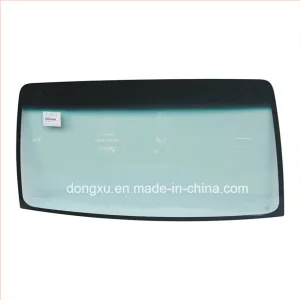
D. Passenger Automotive & Heated Glass: Standard windscreens must maintain structural integrity to support passenger airbags during deployment. Adding fine tungsten heating elements prevents fogging and icing in sub-zero environments, guaranteeing clean visibility for camera-based Driver Assistance Systems (ADAS).
Establishing true credibility in safety glass production means proving compliance to international standard systems.山东 AGS Glass is built on traceable quality checks. We run complete batch-testing programs covering:
Deep-dive answers to technical inquiries frequently asked by global procurement and structural engineers.
Explore our advanced security, acoustic, smart dimming, and chemical-bonding safety glass options.
 AGS Glass