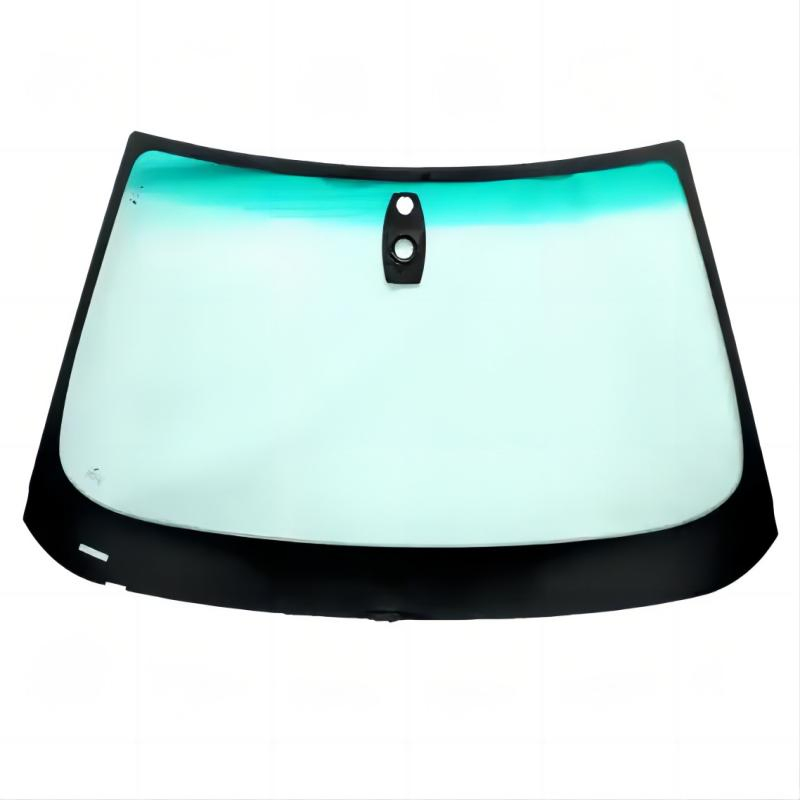
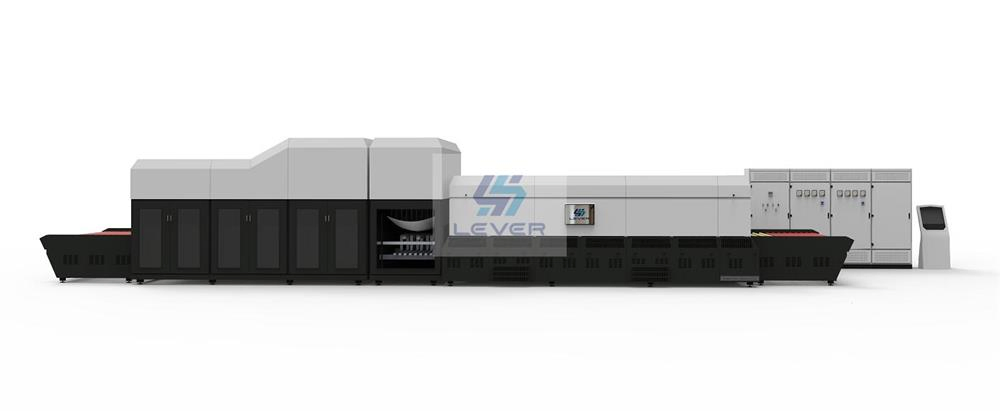
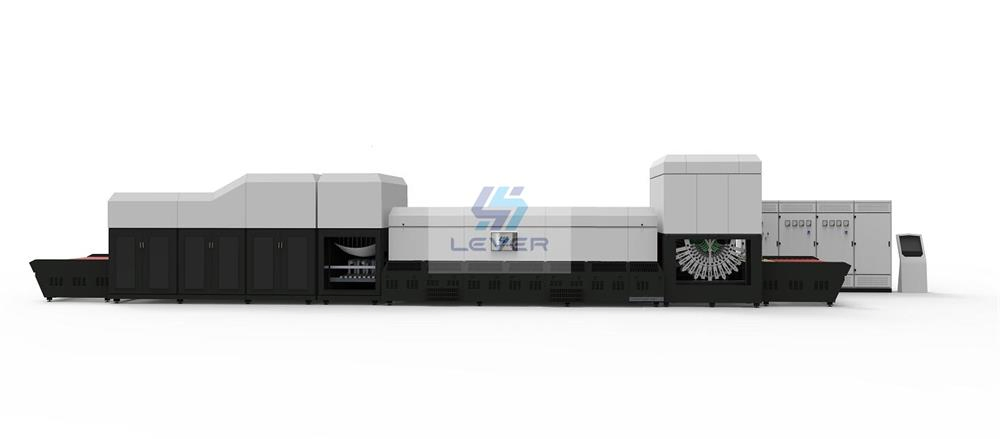
High Quality Rear Windscreen Bent Tempering Furnace for Auto Glass Car Window Side Door Glass Lfw RW Assembly Sunroof Made in China

Control System: PLC
Warranty: 12 -24 Months
Ceramic Roller: Vesuvius

Product Description

Basic Specifications

Model NO.
LV-TBV
PLC
Siemens
Blower
Taixin, Taiwan
Blower Inverter
Schneider or Siemens
Inverter
Siemens
Model
LV-TF
Machine Type
Glass Tempering Furnace
Thickness
3-19mm
Application
to Make Tempered Glass
Structure
Horizontal
Production Capacity
100 Sets/Year
HS Code
84752919

Machine Application

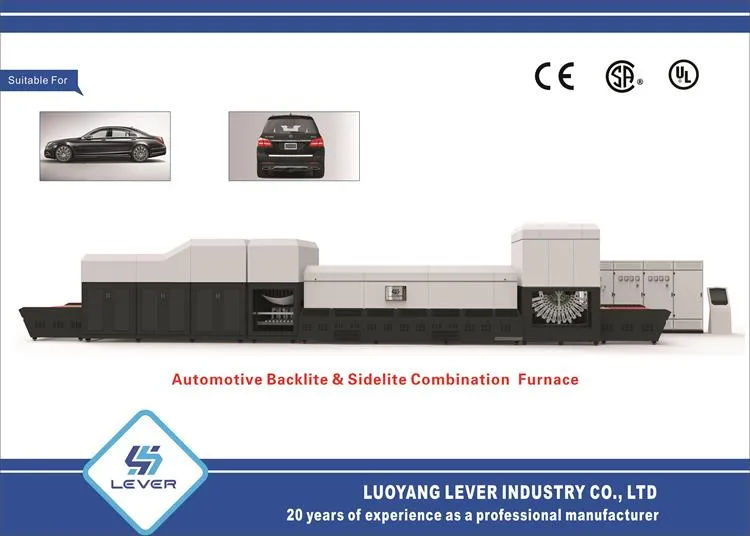
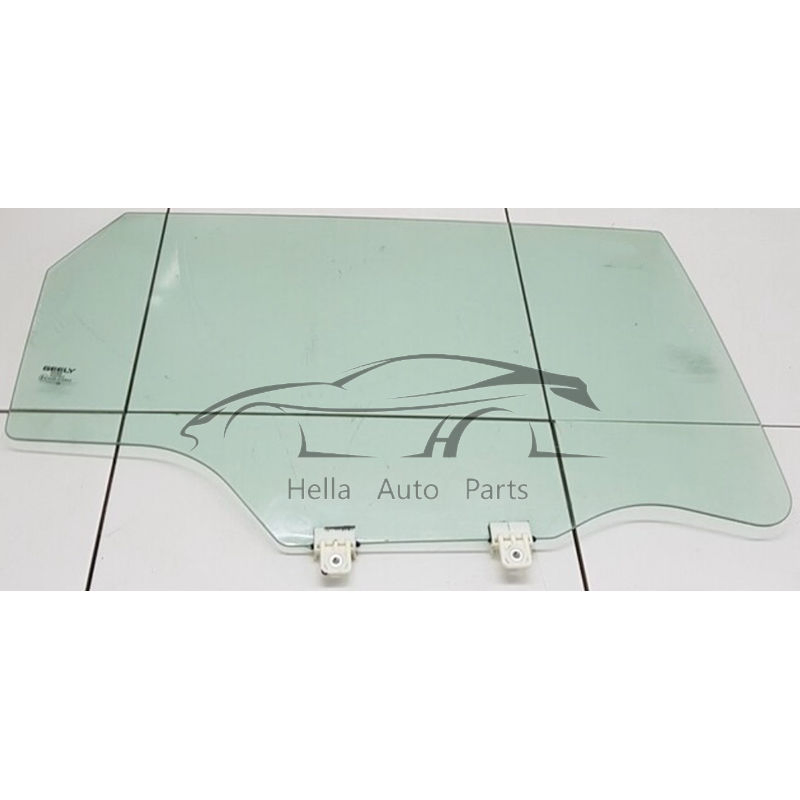
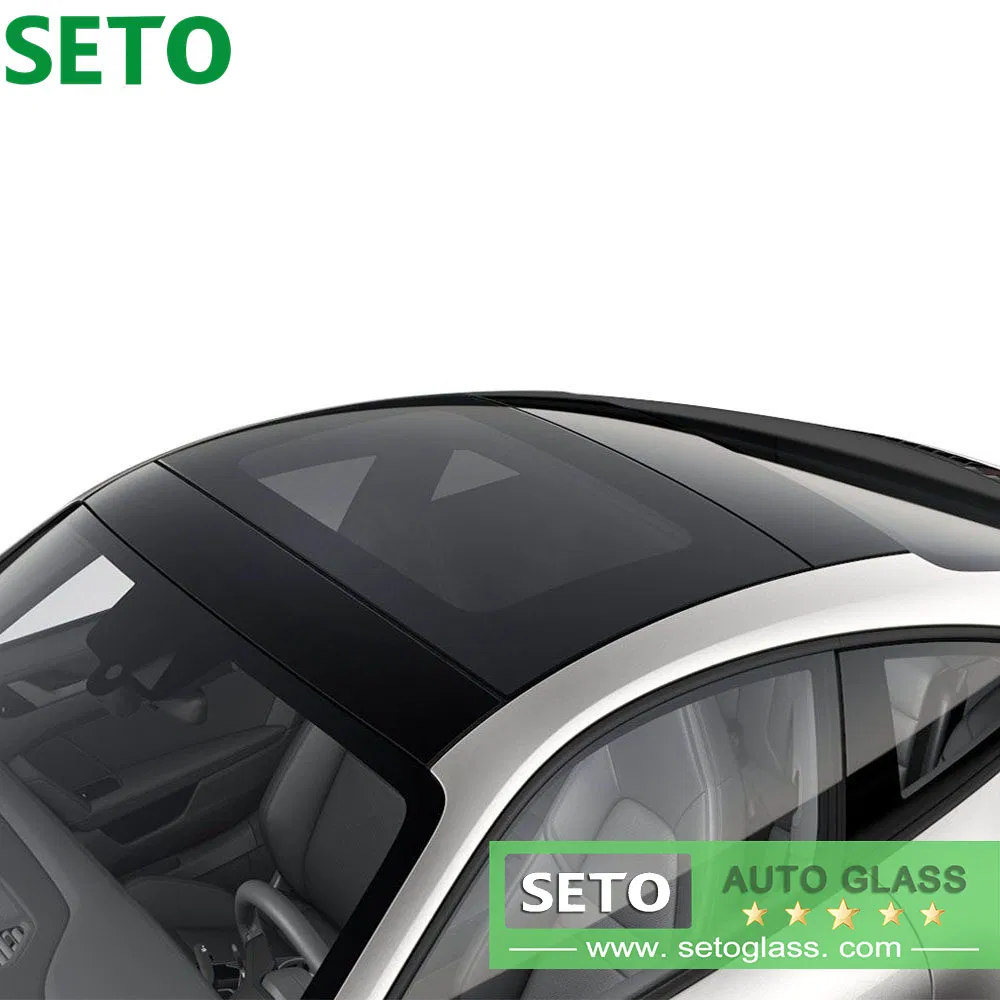
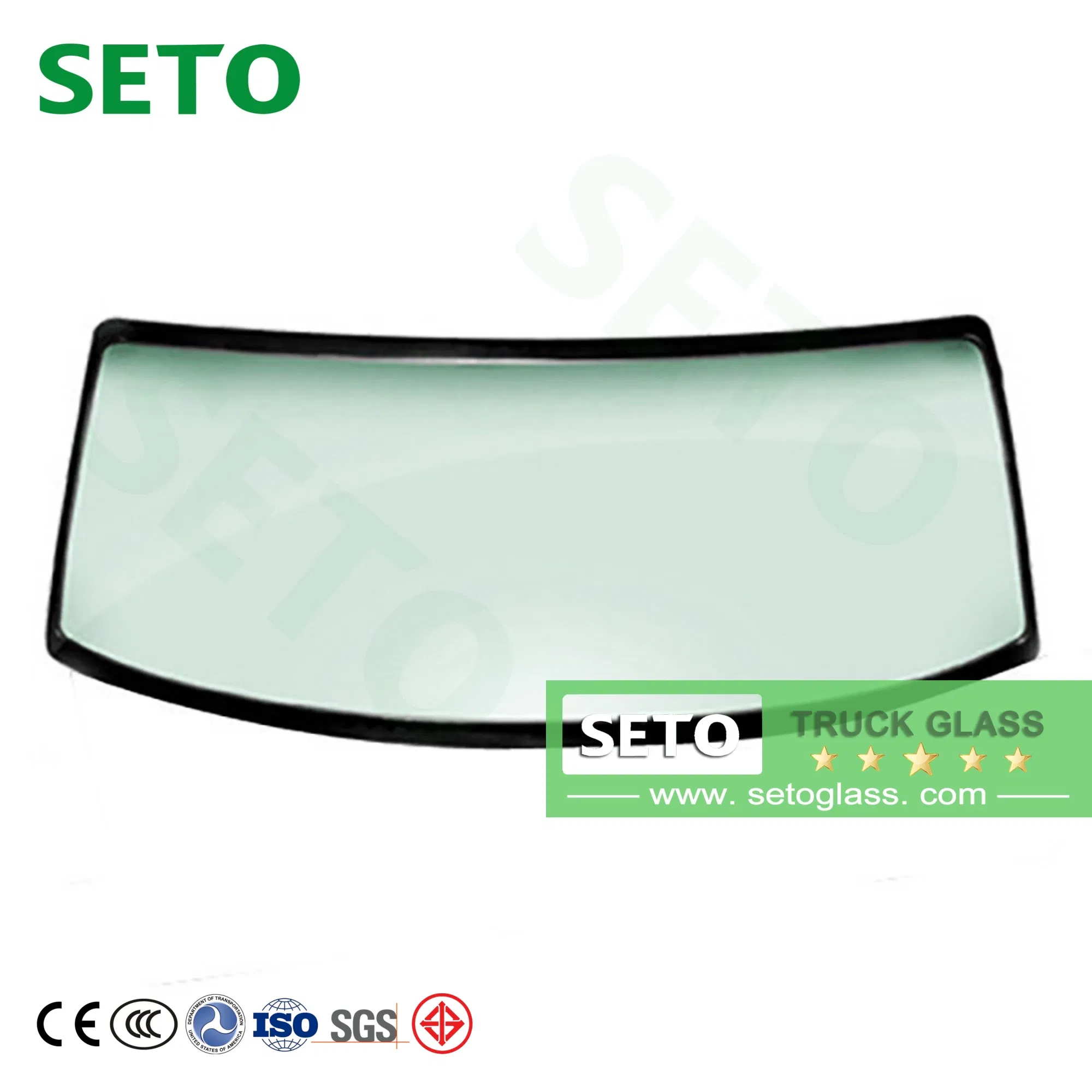
Mould Bent Glass Tempering Machine is a special plant used to produce the bent tempered glass with multi curvature, which mainly used in the fields of rear doors and side doors of automotives (the side door also is multi curvature), trucks, furniture, etc. Our technology supports production for premium automotive brands including BMW, Audi, Toyota, Honda, Hyundai, Peugeot, and more.

Technical Features

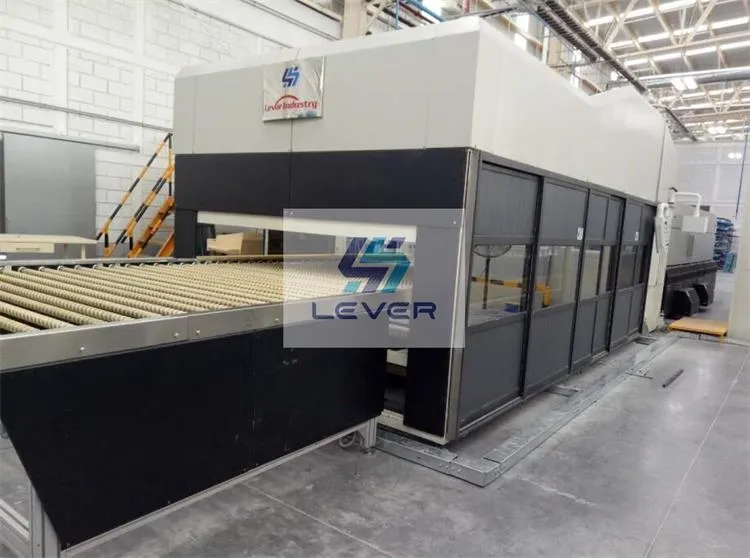
Loading Table

1. Equipped with LED light to detect glass defects before processing.

Heating Section

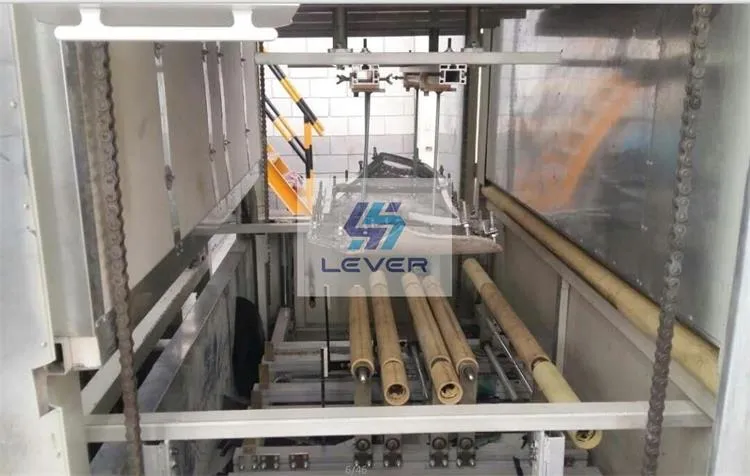
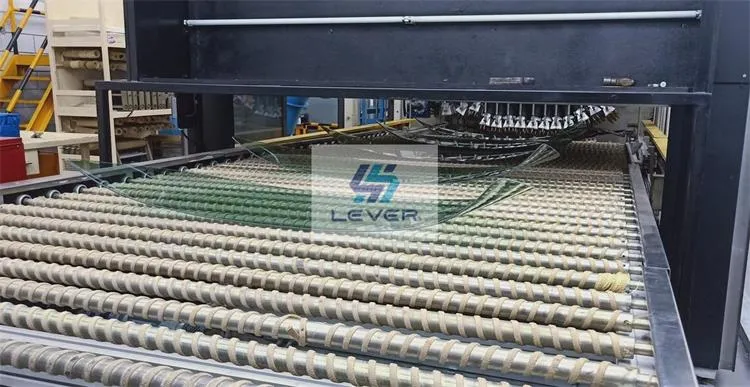
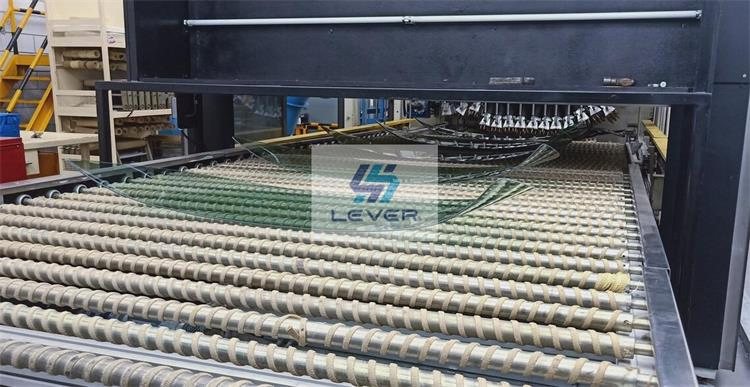
1. Sectional driving for ceramic rollers: the driving speed of the last zone is optimized for efficiency.
2. Sectional heating: individual heating zones for each working position with ceramic plates to ensure isolation.
3. Ceramic plates at the top of the oven ensure even heating and prevent debris from falling.
4. Triple belt drive system for ceramic rollers ensures simultaneous, stable running and prevents glass scratches.
5. Gapless heating element design (parallelogram shape) for superior heating uniformity and higher product quality.

Quenching Section

1. Trumpet type air nozzles for stronger air pressure and lower energy consumption.
2. Round type air ducts to minimize air loss and maximize pressure efficiency.
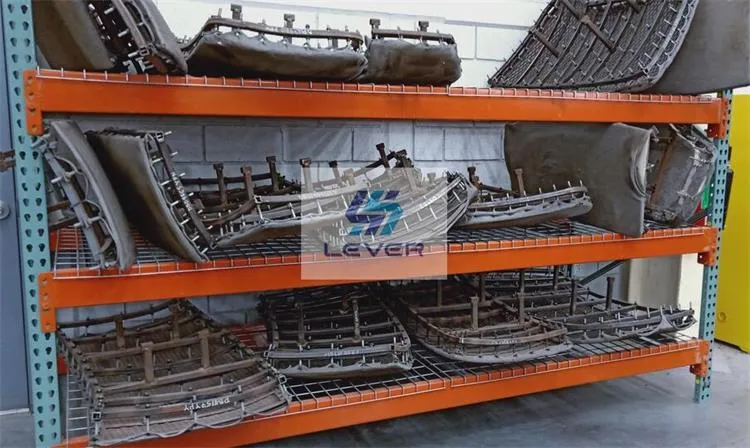
3. Modular quenching design for precise adjustment and rapid mould changes.

Control System

1. Core components (PLC, inverters, contactors) utilize high-end Siemens technology.
2. Profinet network data for servo motor control, significantly reducing interference compared to traditional wiring.

Supply Scope

  • 1. Loading section
  • 2. Heating section
  • 3. Forming section (mould bent)
  • 4. Quenching section
  • 5. Transmission section
  • 6. Cooling section
  • 7. Unloading section
  • 8. Glass mould (1 set)
  • 9. Blower system
  • 10. Electrical & control system
  • 11. Essential spare parts
  • 12. Technical documentation

Product Showcase

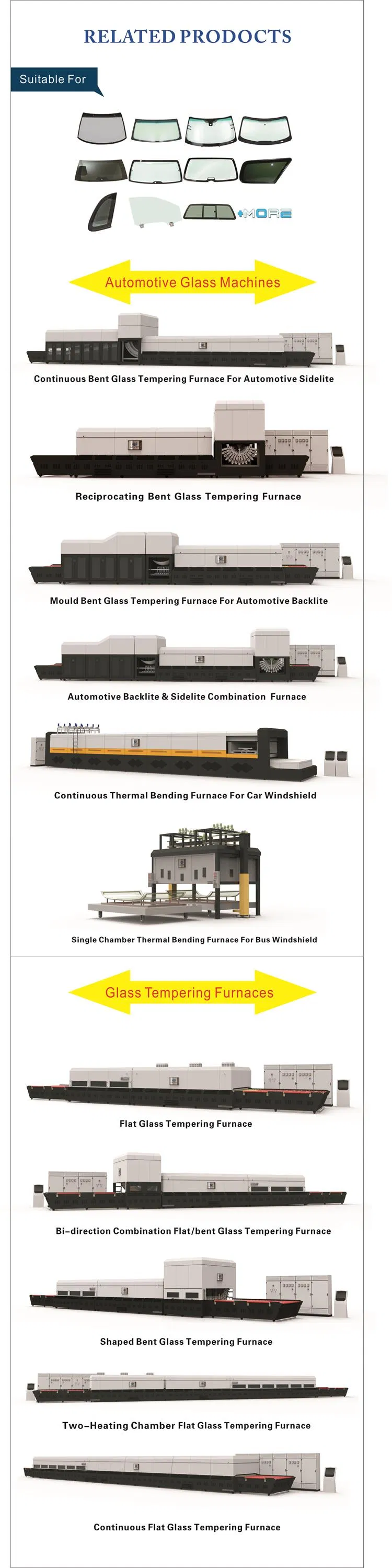
Popular machine models for backlite and sidelite:
Backlite Furnace
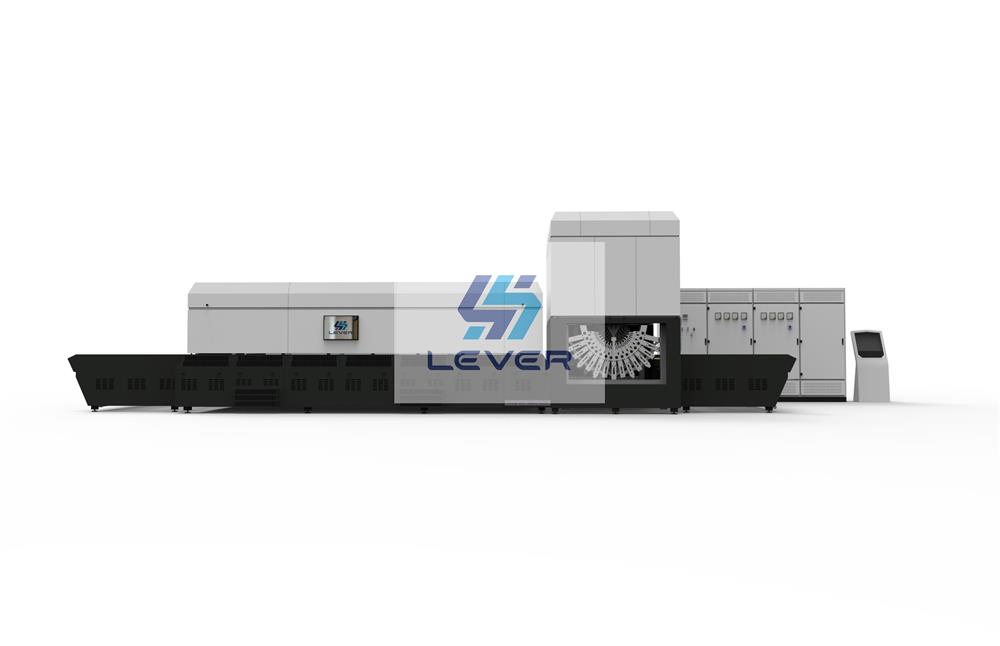
Bent Tempering Furnace
Sidelite Combination

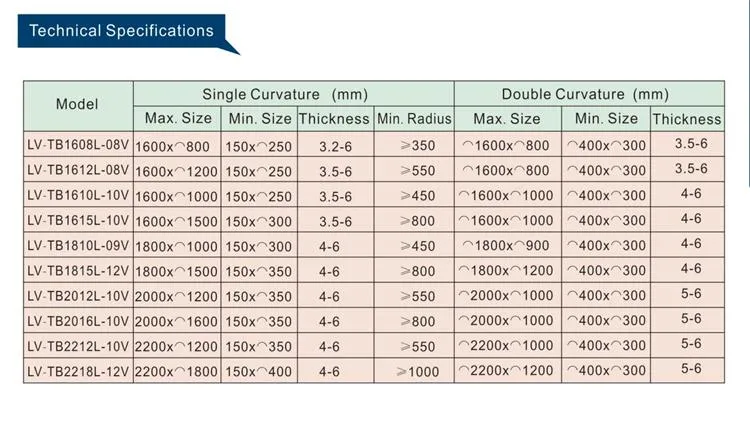
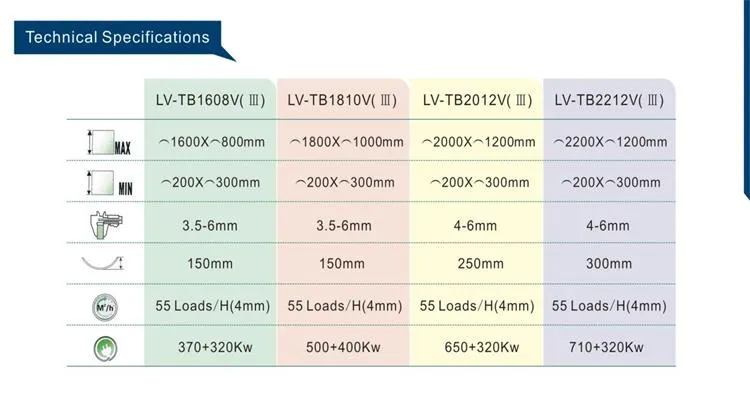
Technical Parameters

Model Max. Glass Size (mm) Min. Glass Size (mm) Thickness (mm) Max. Depth (mm)
LV-TB1008 1000 x ⌒800 150 x ⌒200 3~6 >=400
LV-TB1209 1200 x ⌒900 150 x ⌒200 3.2~6 >=450
LV-TB1608 1600 x ⌒800 150 x ⌒250 3.2~6 >=400
LV-TB1810 1800 X ⌒1000 150 x ⌒250 3.2~6 >=500
LV-TB1815 1800 X ⌒1500 150 x ⌒250 3.2~6 >=800
LV-TB2012 2000 X ⌒1200 150 x ⌒250 3.2~6 >=500
LV-TB2218 2200 X ⌒1800 150 x ⌒350 3.2~6 >=900
Process Detail 1
Process Detail 2
Process Detail 3
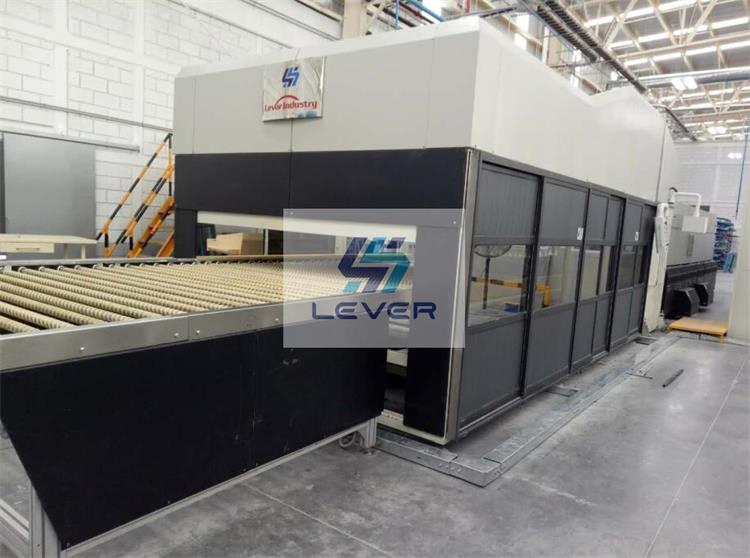
Overall View
Schematic 1
Schematic 2
Full Workflow

Frequently Asked Questions

What is the thickness range of glass this furnace can process?
The machine is capable of tempering glass with a thickness range from 3mm to 19mm, depending on the specific model and configuration.
What industries are these bent tempering furnaces primarily used for?
They are mainly used in the automotive industry for rear windscreens and side windows, as well as for specialized truck windows and architectural furniture glass.
Which brands of electronic components are used in the control system?
We use top-tier global brands including Siemens for PLCs, inverters, and contactors, and Schneider for specialized inverters to ensure stability and precision.
How does the machine ensure uniform heating for complex shapes?
The furnace uses sectional heating with individual zones and a gapless heating element design (parallelogram shape) to provide highly even thermal distribution across the glass surface.
Is it difficult to change moulds for different glass curvatures?
No, the quenching section features a modular design which makes mould changes easy and significantly reduces the time required for adjustment between different production runs.
Can the machine size be customized for my factory?
Yes, both the dimensions and power specifications can be customized based on the customer's factory layout and specific production requirements.

Related Products