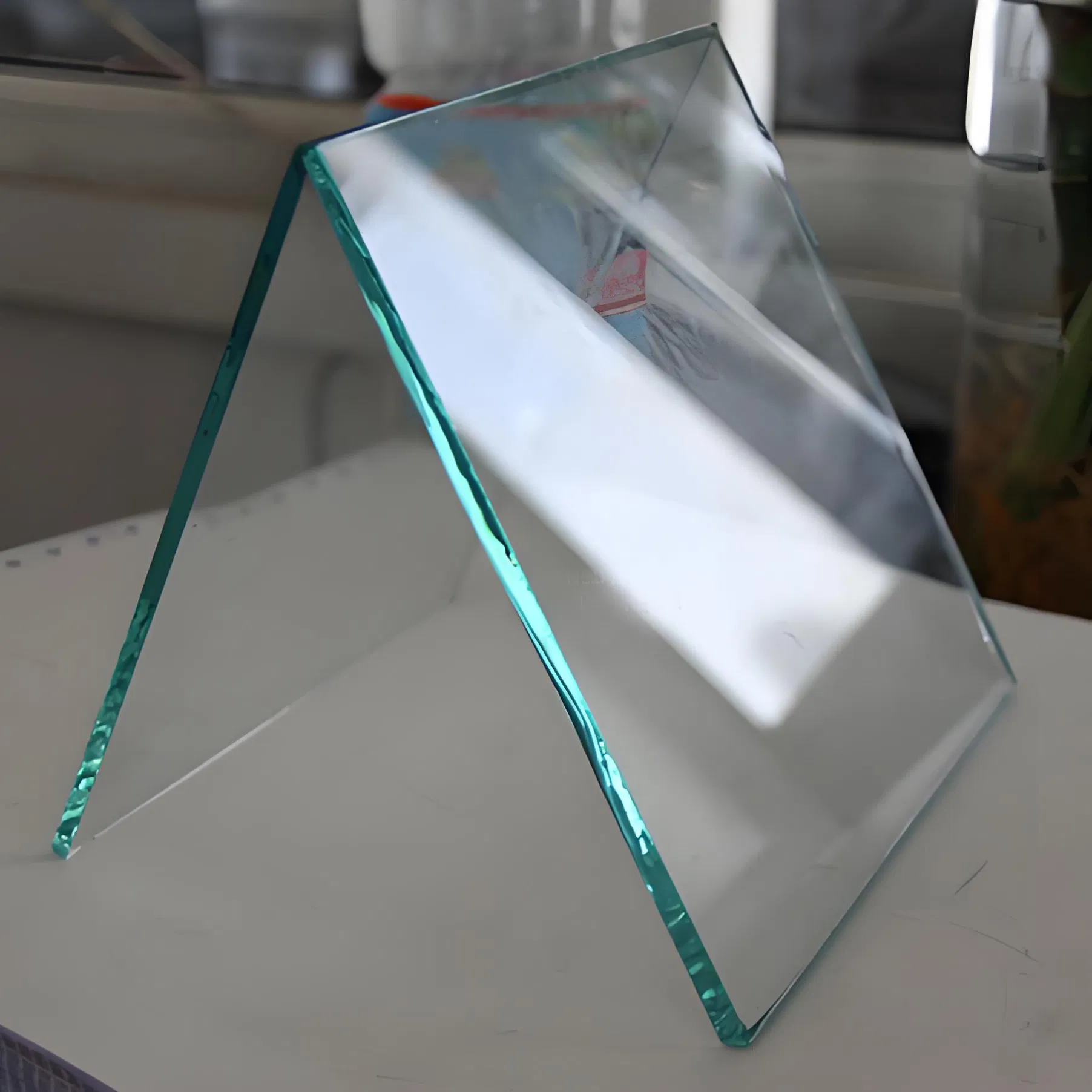
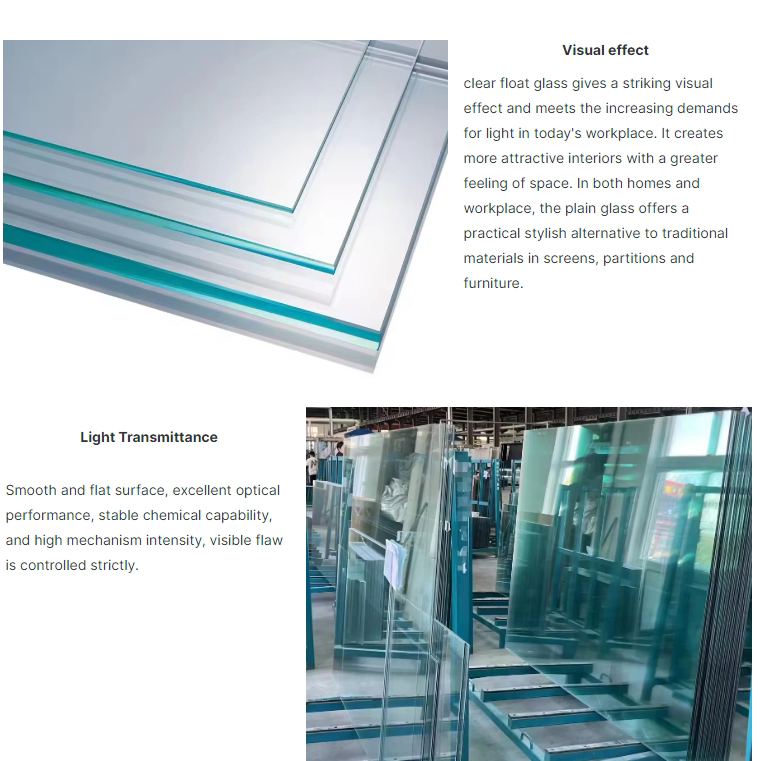
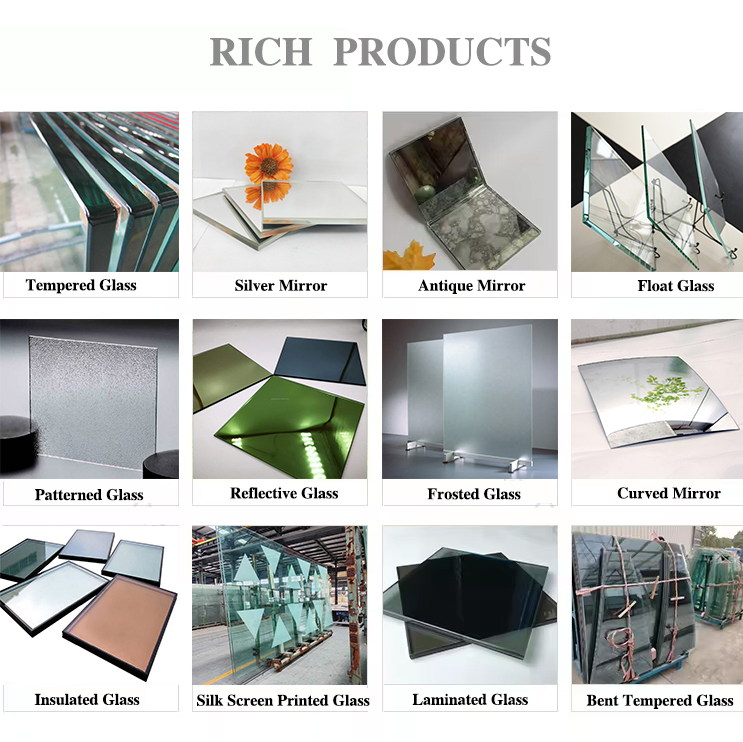
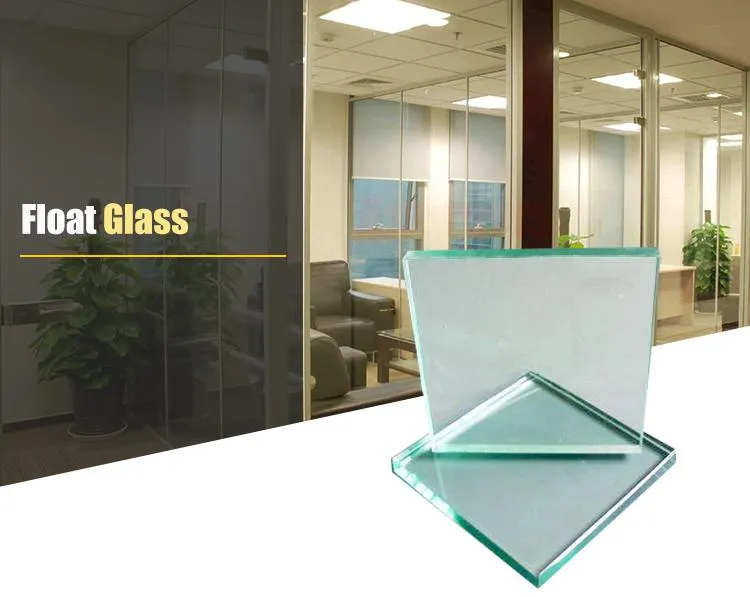
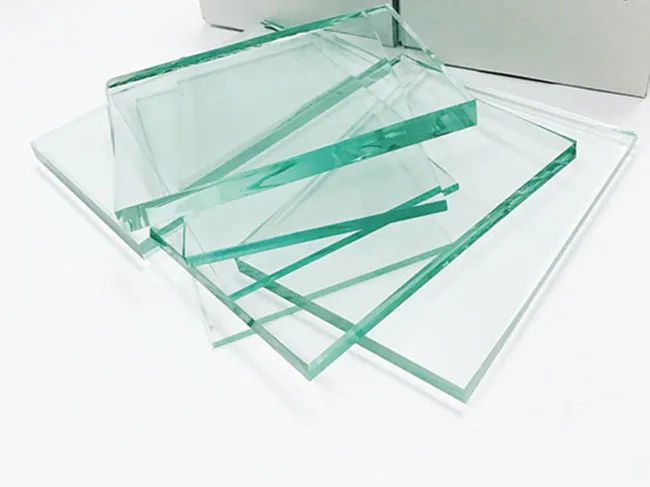
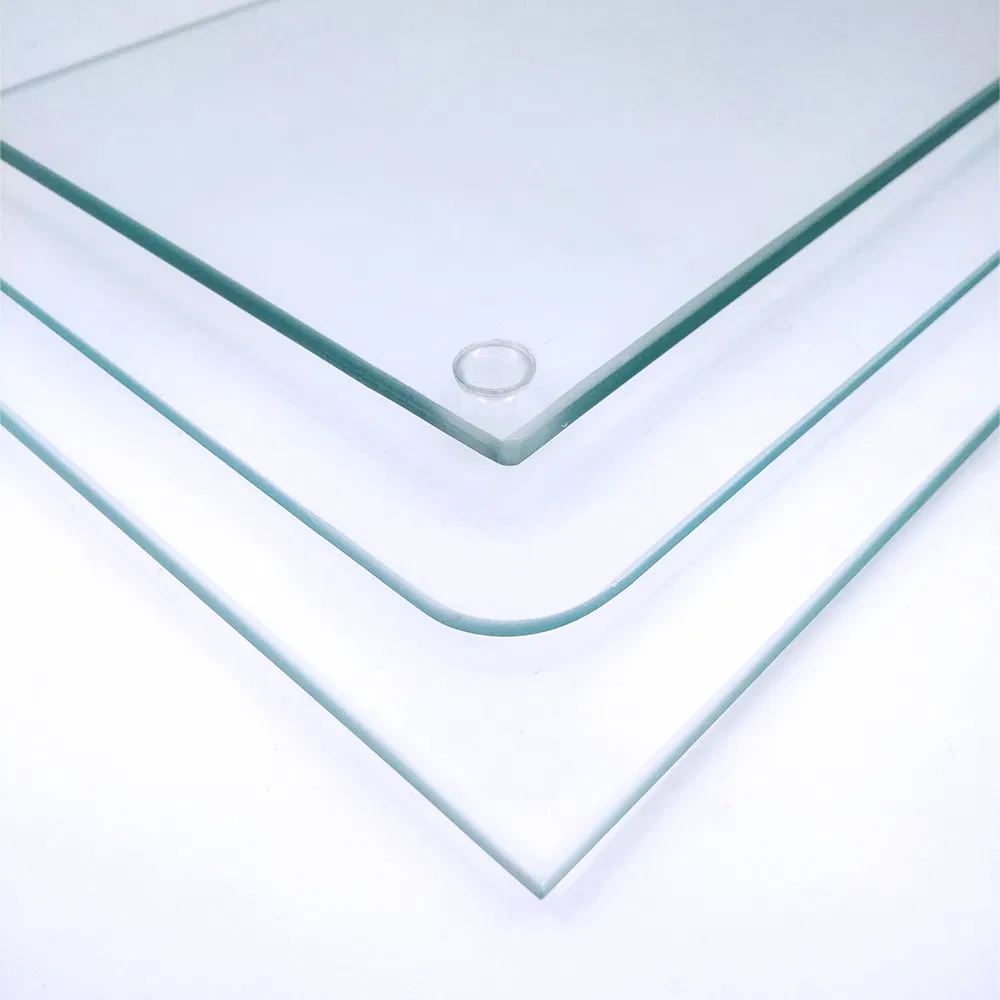
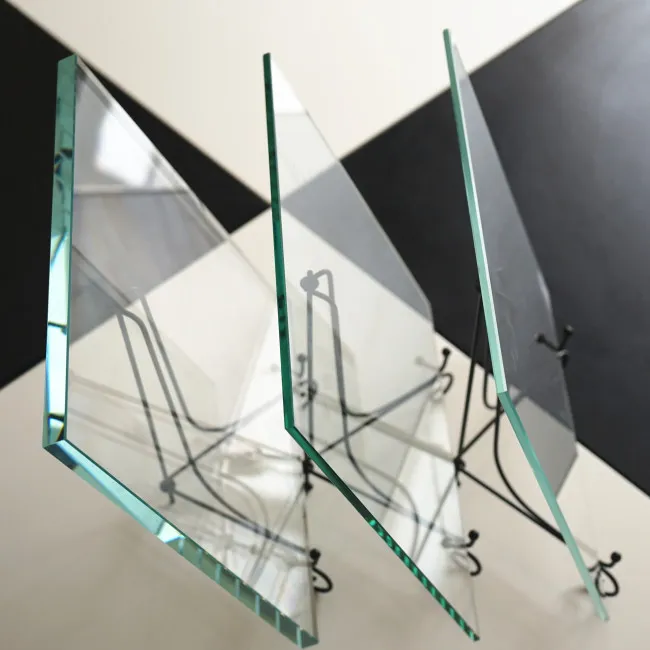
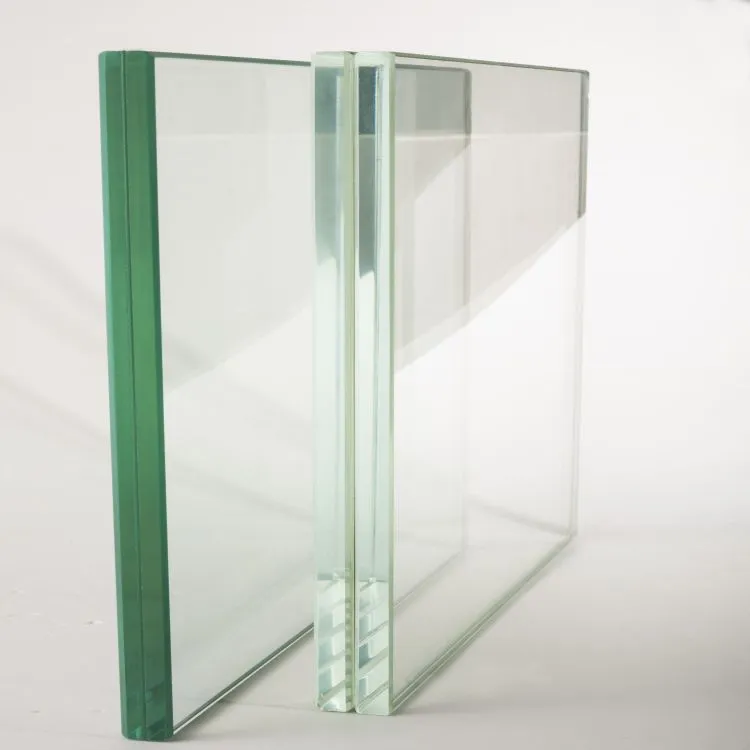
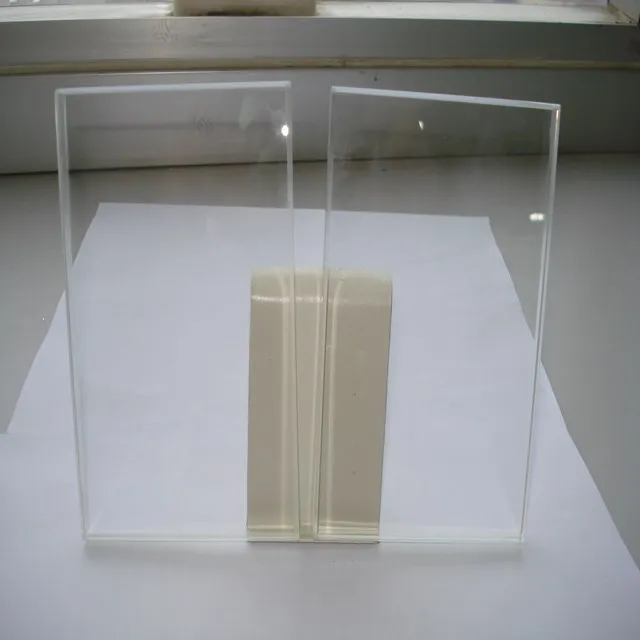
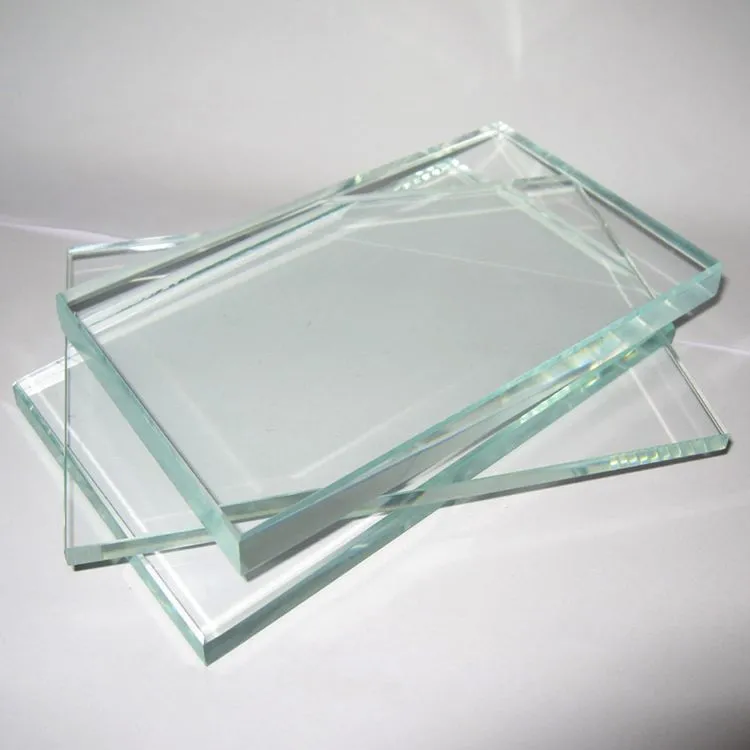
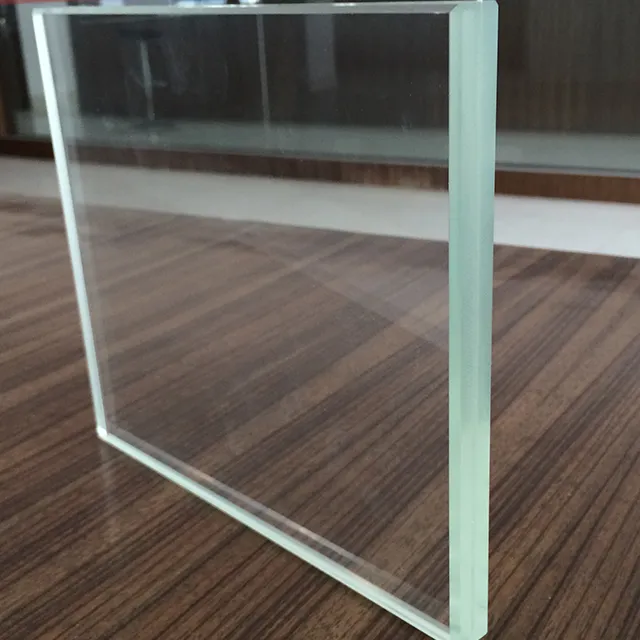
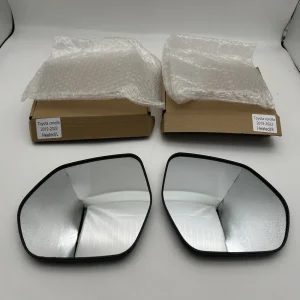
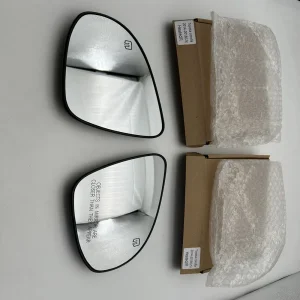
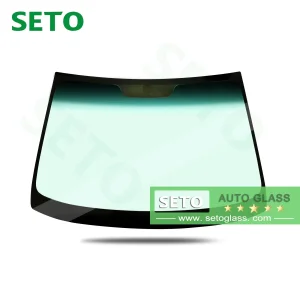
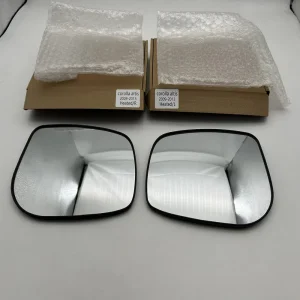
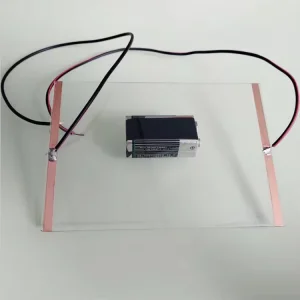
Float glass is produced by heating silica sand, soda ash, dolomite, limestone and salt cake etc. Once molten, the temperature of the glass is stabilized to approximately 1200°C to ensure a homogeneous specific gravity, where molten glass is poured from the furnace and floated evenly onto a bed of molten tin. The glass is gently cooled under controlled conditions to anneal the glass which enables the glass to be cut and modified.
Superior optical performance and high quality finishing
Stable chemical properties and corrosion resistance
Resistant to acid and alkaline
Flexible size specifications to minimize cutting loss
Frequently Asked Questions
Q1: How to judge the quality of float glass?
A1: Quality is judged by flatness, transparency, absence of color tint, and lack of impurities or bubbles within the glass structure.
Q2: How to reduce glass self-implosion?
A2: High-quality float methods involving hot dip treatment, edge treatment, and proper stress intensity control. Always avoid side collisions during installation.
Q3: What is the scope of use for toughened glass?
A3: It is used where improved compressive strength and explosion-proof capacity are needed to enhance safety without endangering persons.
Q4: Can toughened and semi-toughened glass be combined into laminated glass?
A4: No. National standards dictate that glass with different stress levels cannot be laminated together because they bear pressure differently during use.
Q5: Does the air in insulating glass oxidize the membrane?
A5: No, because insulating glass contains molecular sieves that keep the air dry, preventing oxidation of the membrane.
Q6: How much ultraviolet radiation can low-e glass reduce?
A6: Low-E glass can reduce UV by 14% compared to heat-reflecting glass, and by 25% compared to standard white glass.
 AGS Glass