📄
Product Description
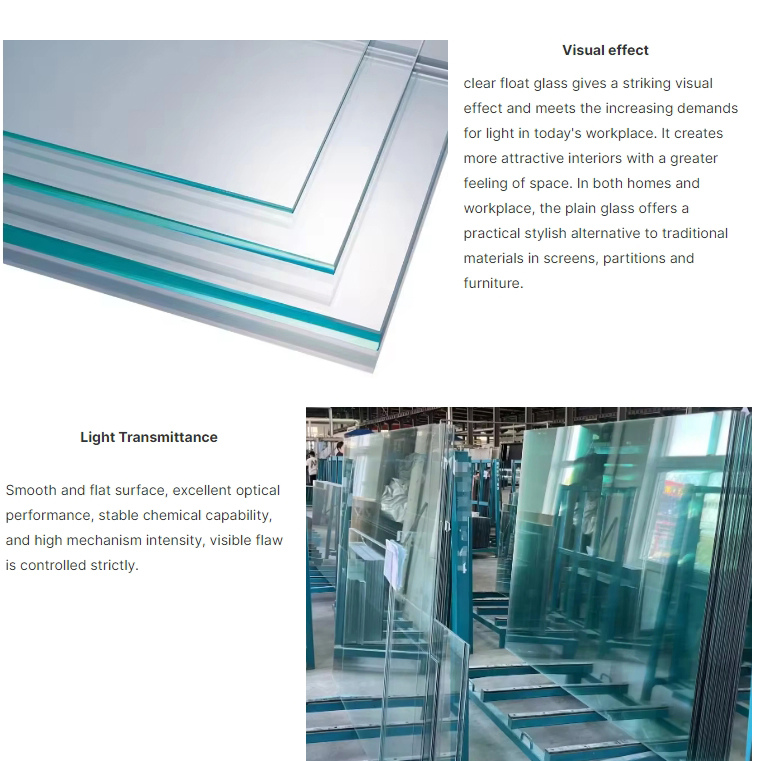
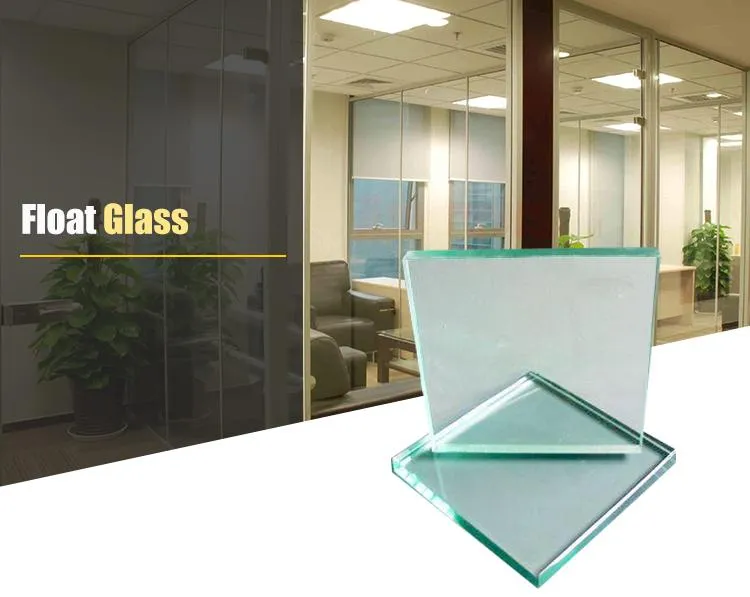
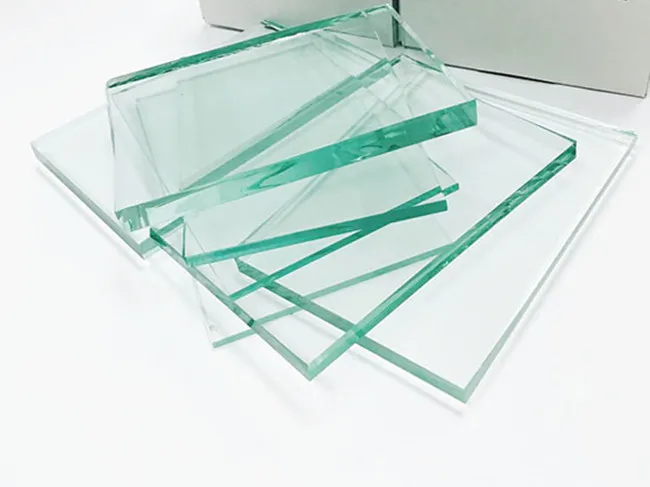
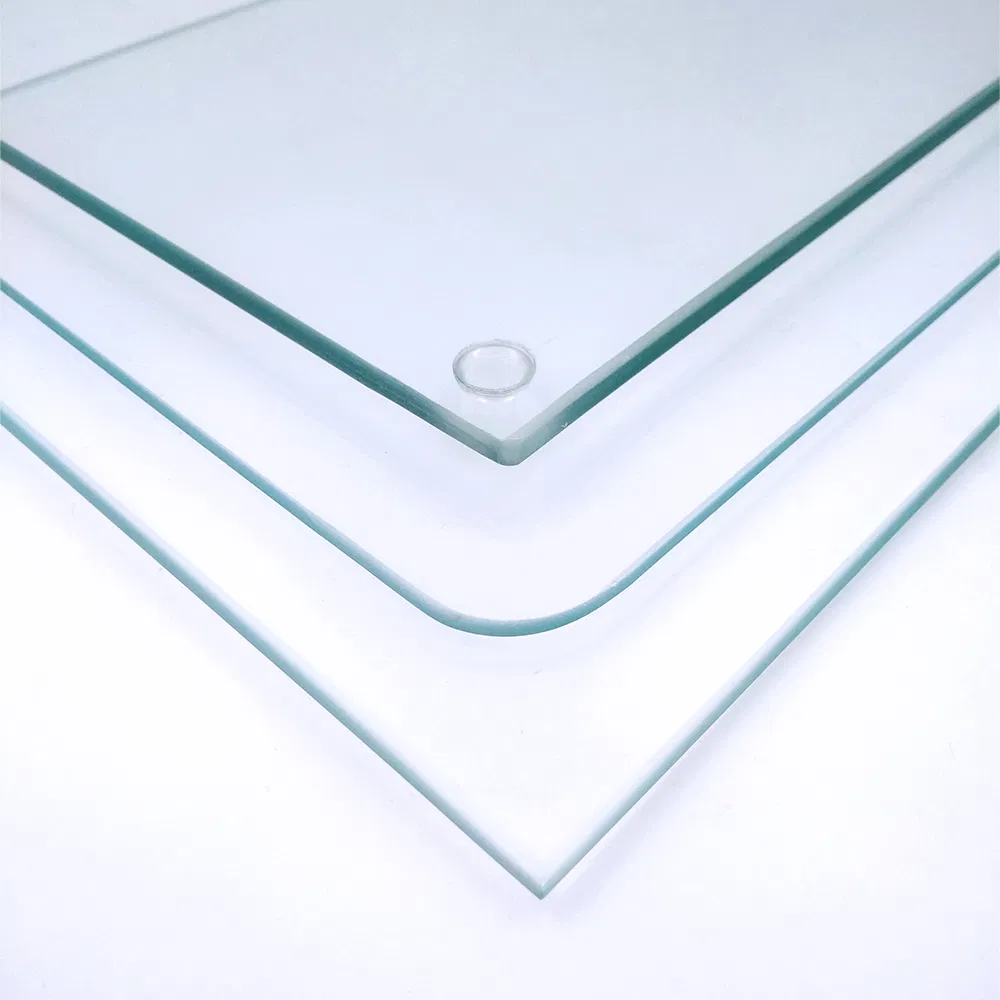
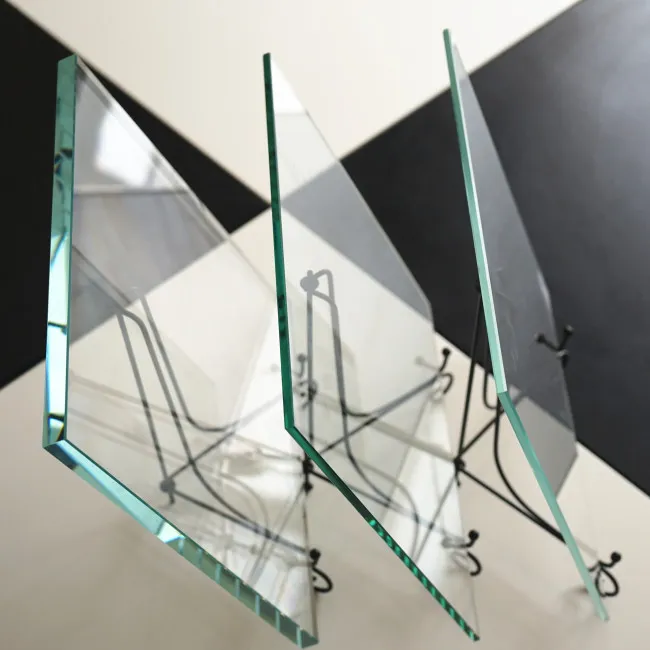
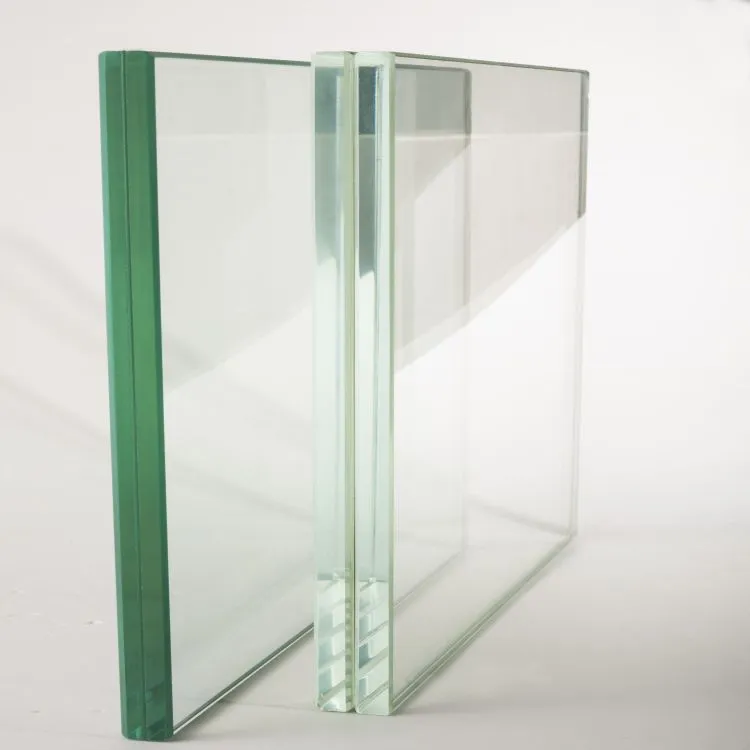
Float glass is produced by heating silica sand, soda ash, dolomite, limestone and salt cake etc. Once molten, the glass is poured from the furnace and floated evenly onto a bed of molten tin. The glass is gently cooled under controlled conditions to anneal the glass which enables it to be cut and modified.
| Product | Float glass |
| Thickness | 3-19mm |
| Max Size | 1830*2440 to 2440*6000mm |
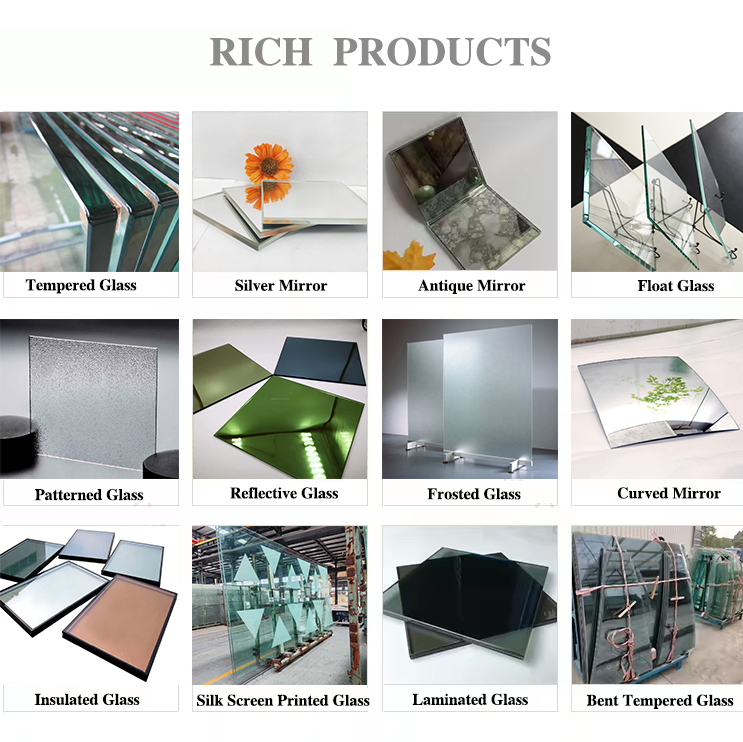
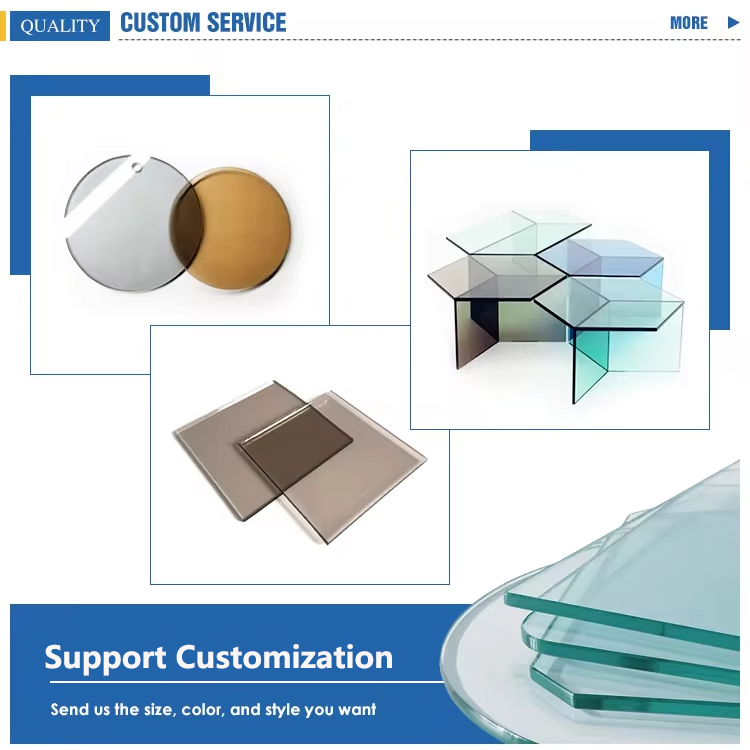
| Colors | Clear, Ultra clear, Bronze, Blue, Green, Grey, Pink |
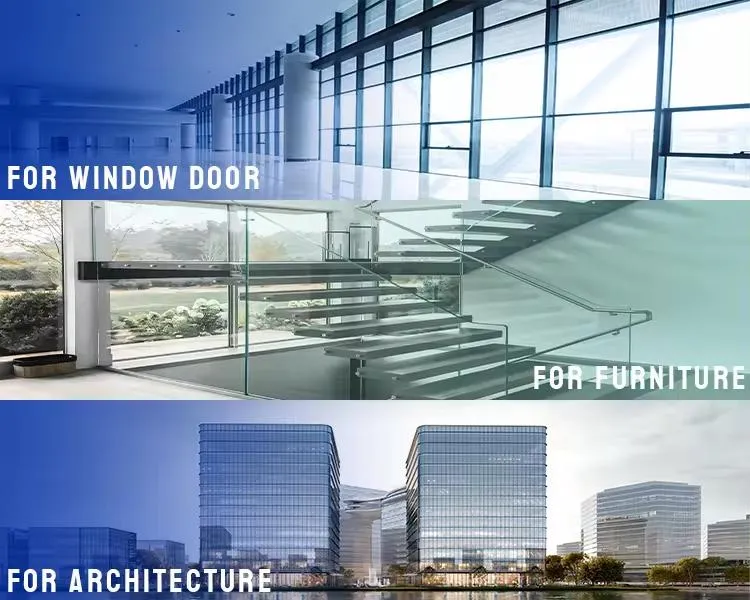
| Applications | Windows, Doors, Skylights, Furniture, Greenhouse, Facades |
| Certificate | GB15763.2 EN12150.1 EN12600 ANSIZ97.1 |
⭐
Key Advantages
- Smooth flat surface with excellent vision
- High optical performance and stable chemical properties
- Resistant to acid, alkaline, and corrosion
- Flexible size specifications to minimize cutting loss
❓
Frequently Asked Questions
How to judge the quality of float glass?
Quality can be judged by flatness, transparency, lack of color, and the absence of impurities or bubbles.
How to reduce self-implosion in glass?
Using high-quality float methods for hot dip treatment, edge treatment, and maintaining proper stress intensity. Avoid side collisions during installation.
What is the scope of use for toughened glass?
It is used to improve compressive strength and explosion-proof capacity in building areas where safety and durability are required.
Can toughened glass be made into laminated glass?
According to standards, glass with different stress levels cannot be used together in laminated glass as they bear pressure differently.
Does the air in insulating glass oxidize the membrane?
No, because insulating glass contains a molecular sieve that keeps the air dry, preventing oxidation.
How much UV radiation can Low-E glass reduce?
It can reduce UV by 14% compared to heat-reflecting glass and by 25% compared to standard white glass.
 AGS Glass