AGS Glass
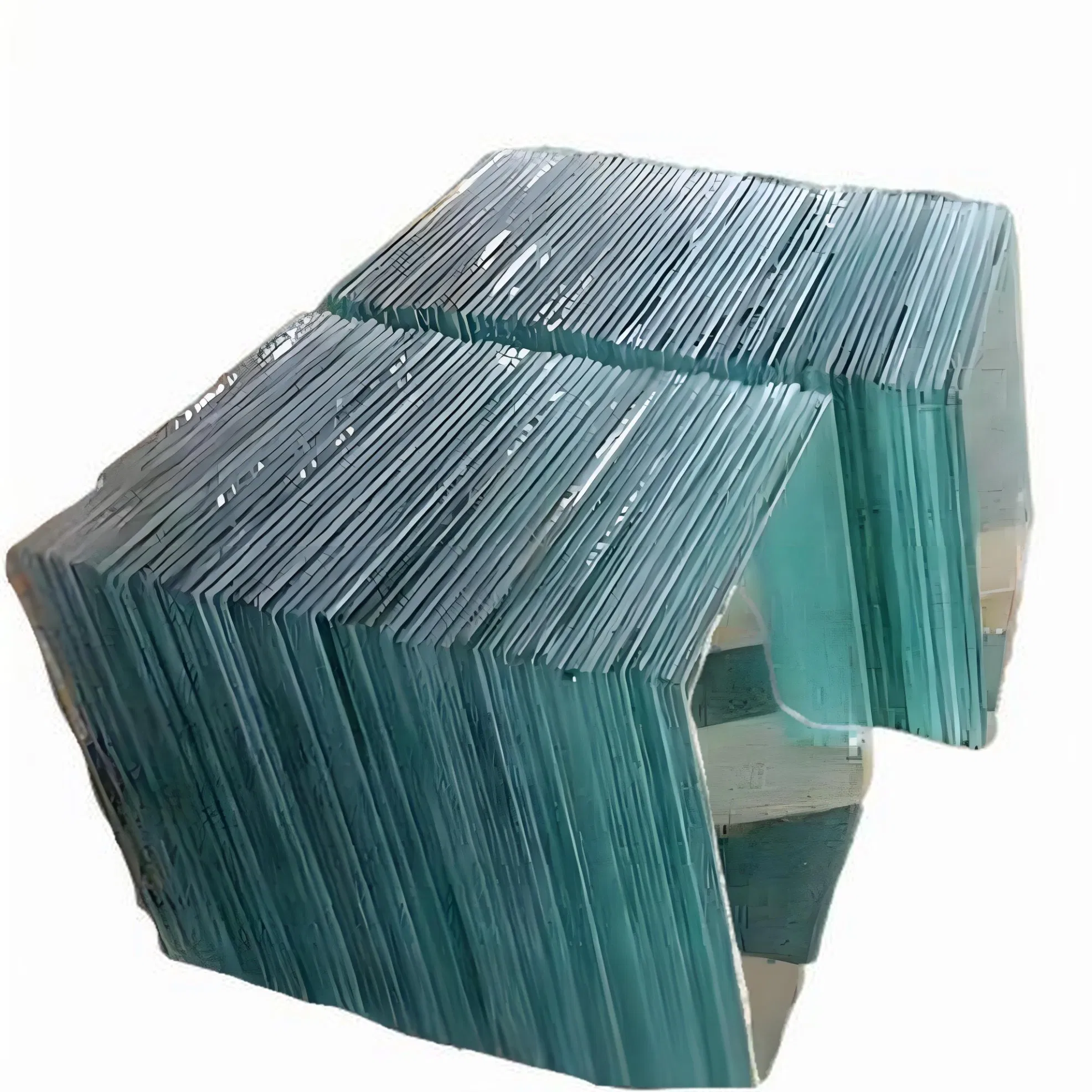
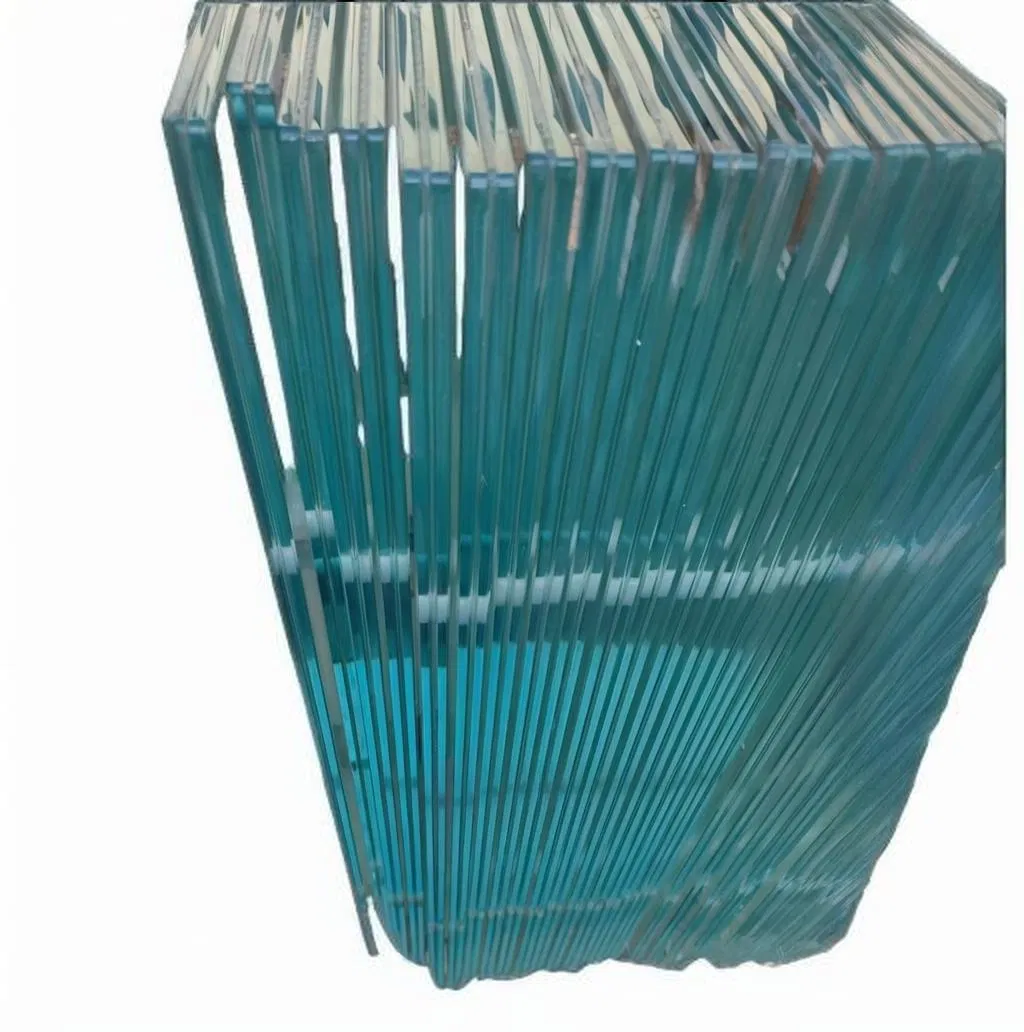
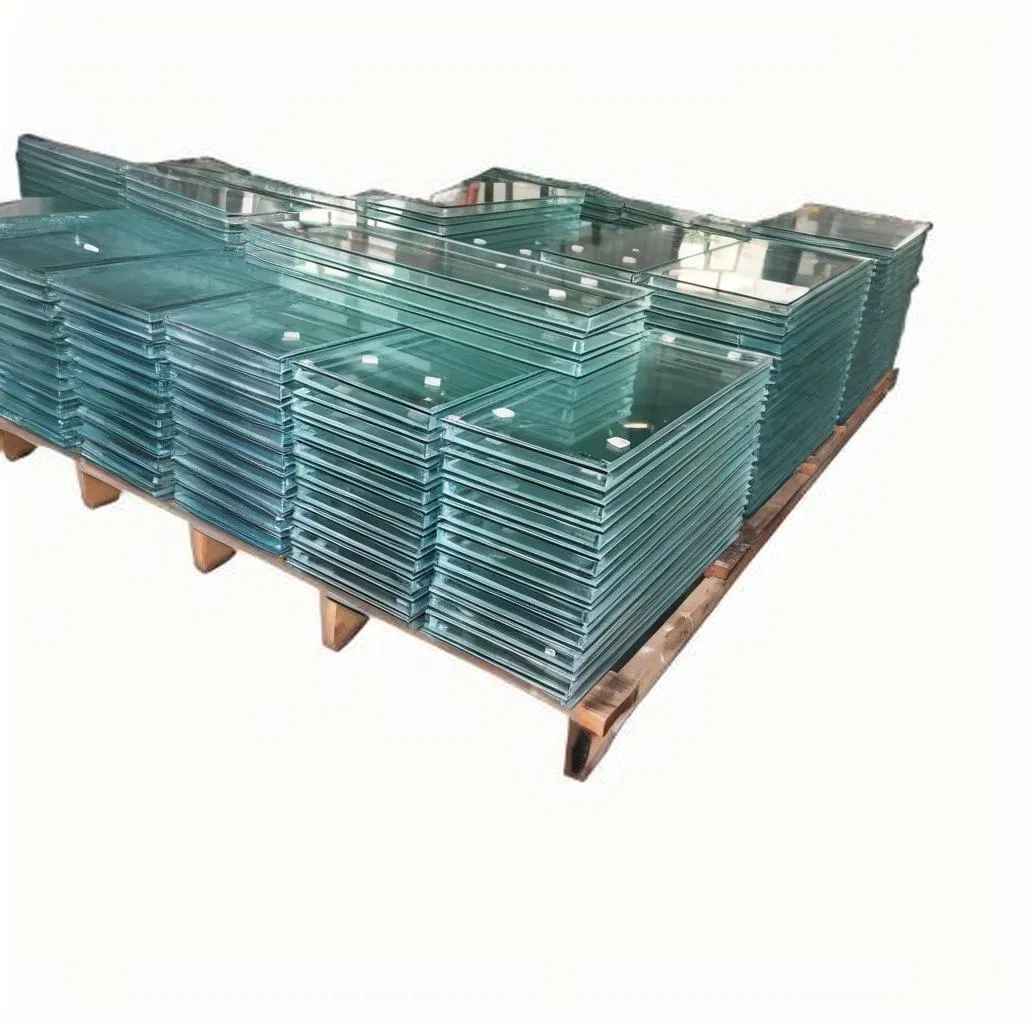
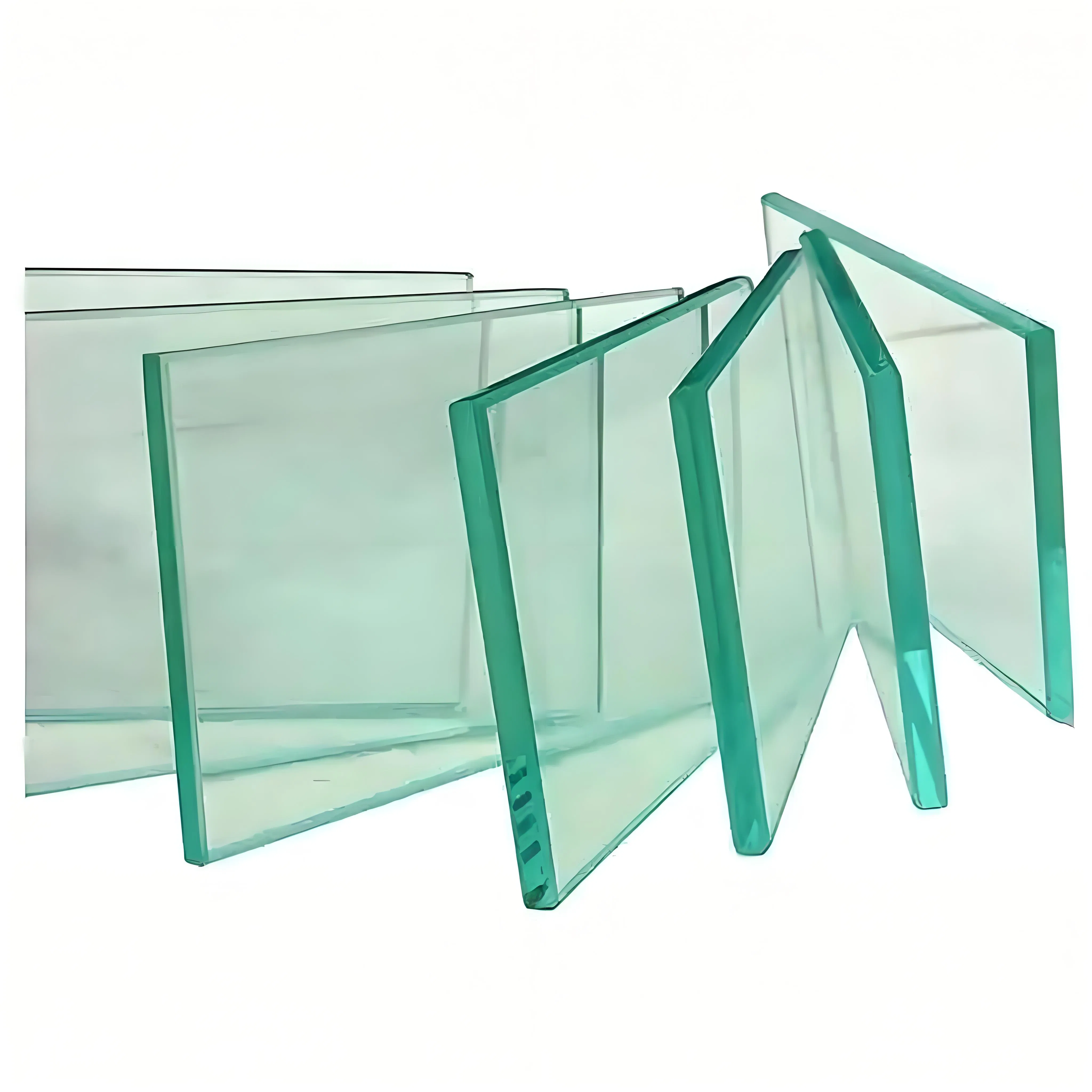
1 / 5
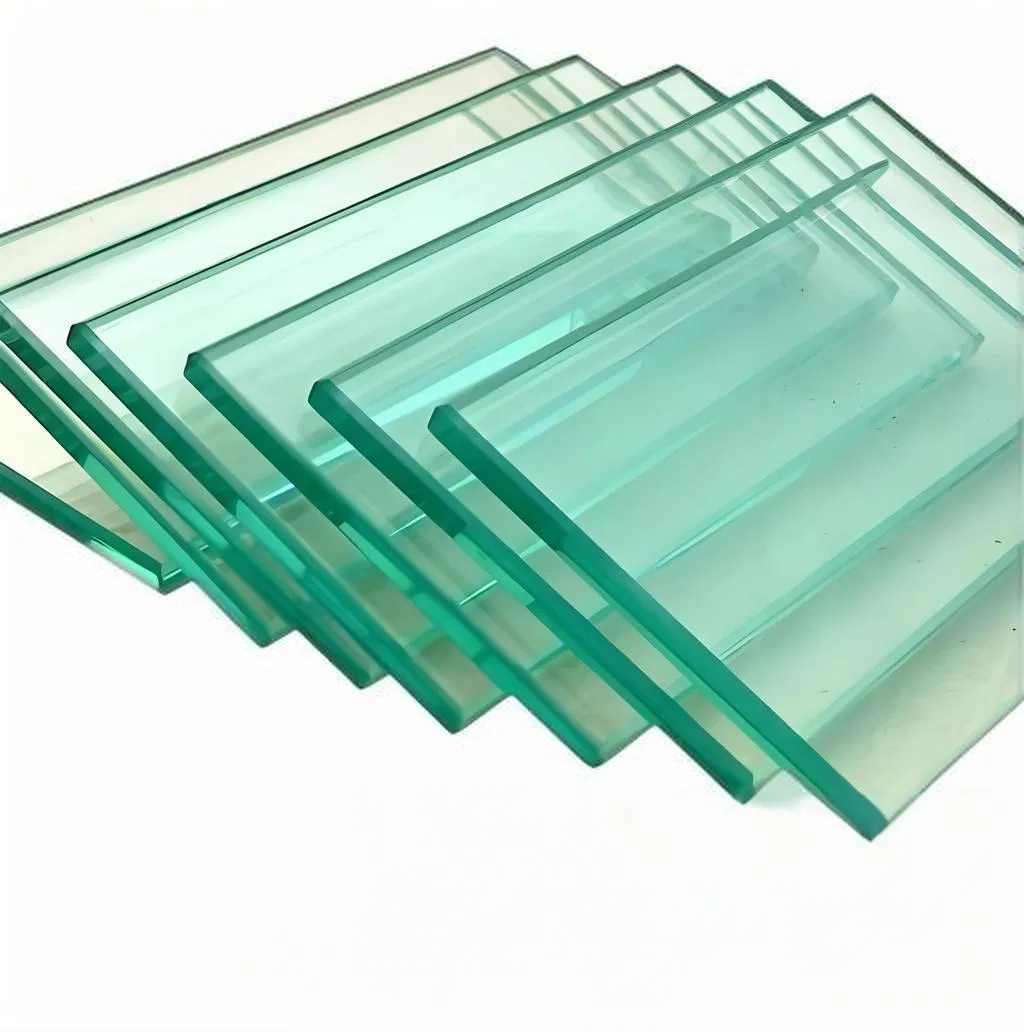
| Model NO. | 19TTG |
| Shape | Flat |
| Standard | GB15763.2-2005 |
| Thickness | 19MM |
| Technics | Physically Tempered |
| Usage | Building, Furniture, Home Appliance, Electronics, Auto Manufacturing |
| MOQ | 300m² |
| Transport Package | Export Wooden Box |
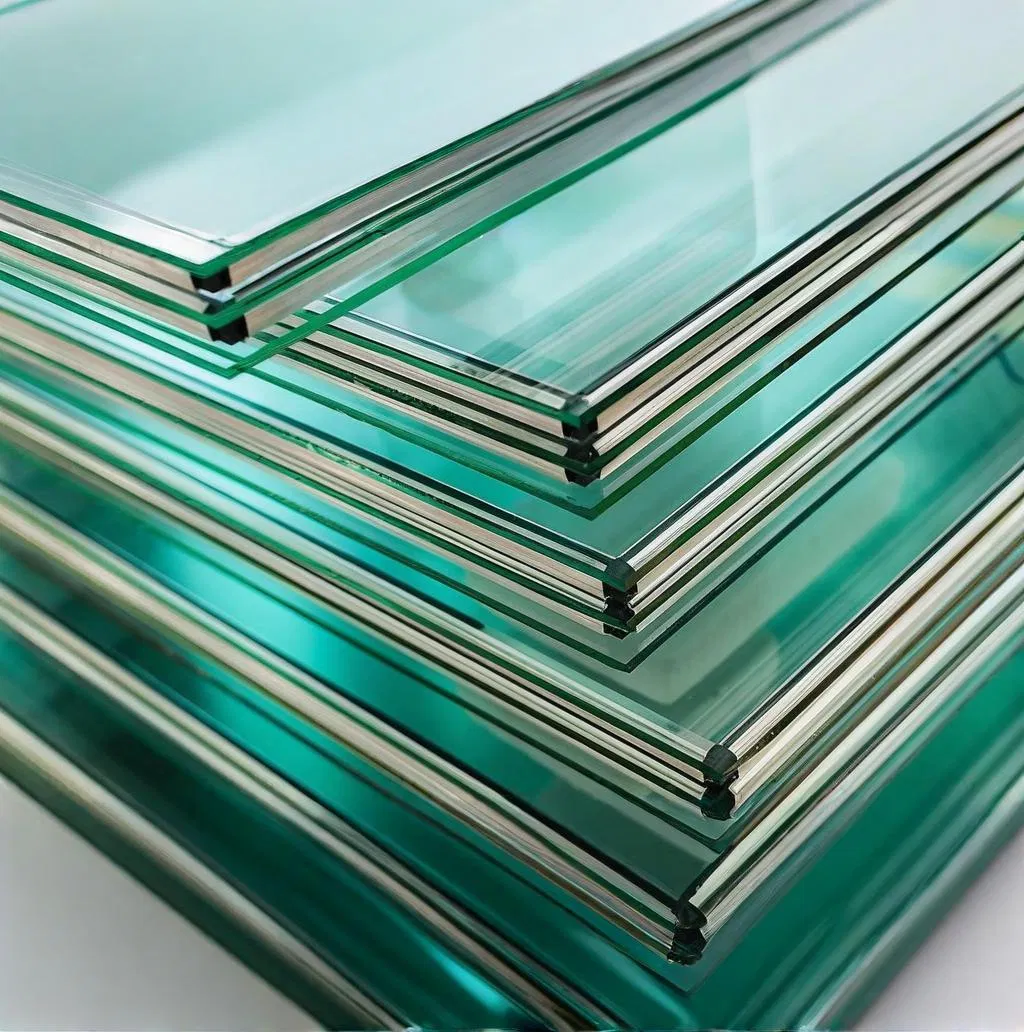
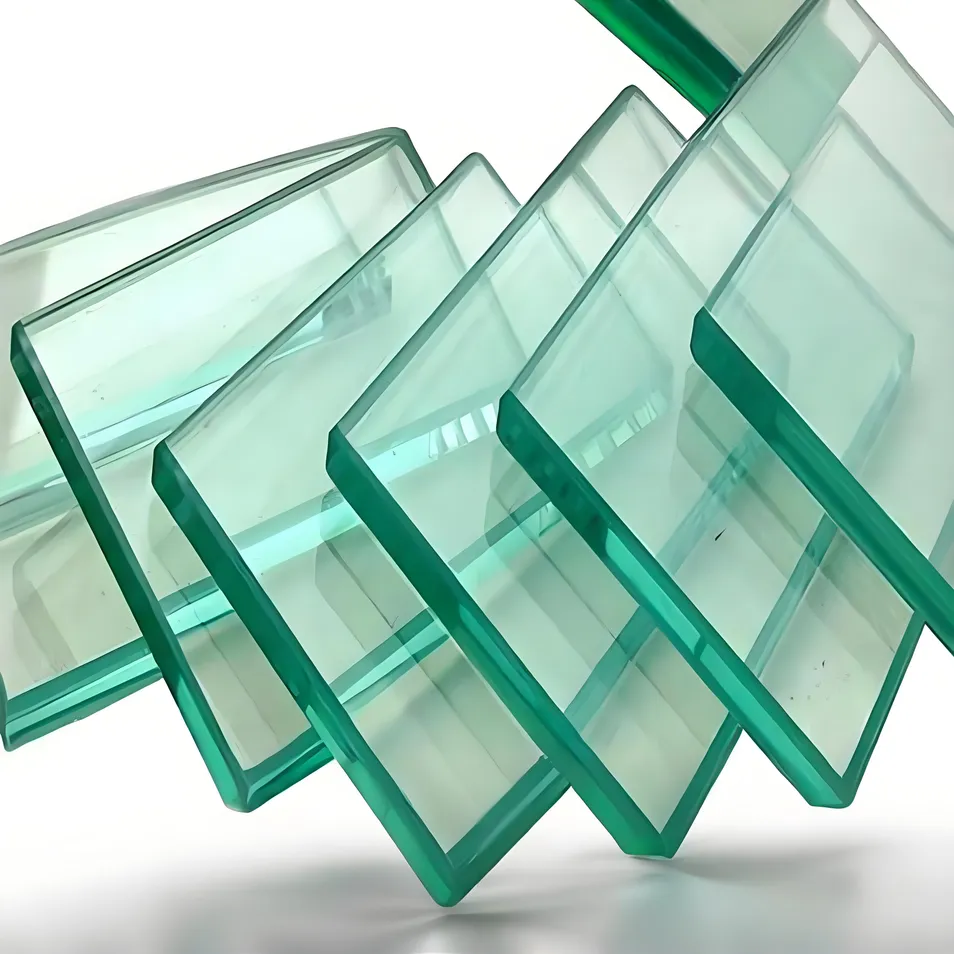
Tempered glass is a safety glass produced through a specific heat treatment process to improve its strength. By creating compressive stress on the surface, the glass gains significantly higher resistance to wind pressure, impact, and thermal changes.
When broken, it shatters into small, blunt particles (honeycomb-like), minimizing risk of injury.
Impact and flexural strength are 3 to 5 times higher than ordinary glass of the same thickness.
Can withstand temperature differences of up to 150°C, significantly preventing thermal cracking.
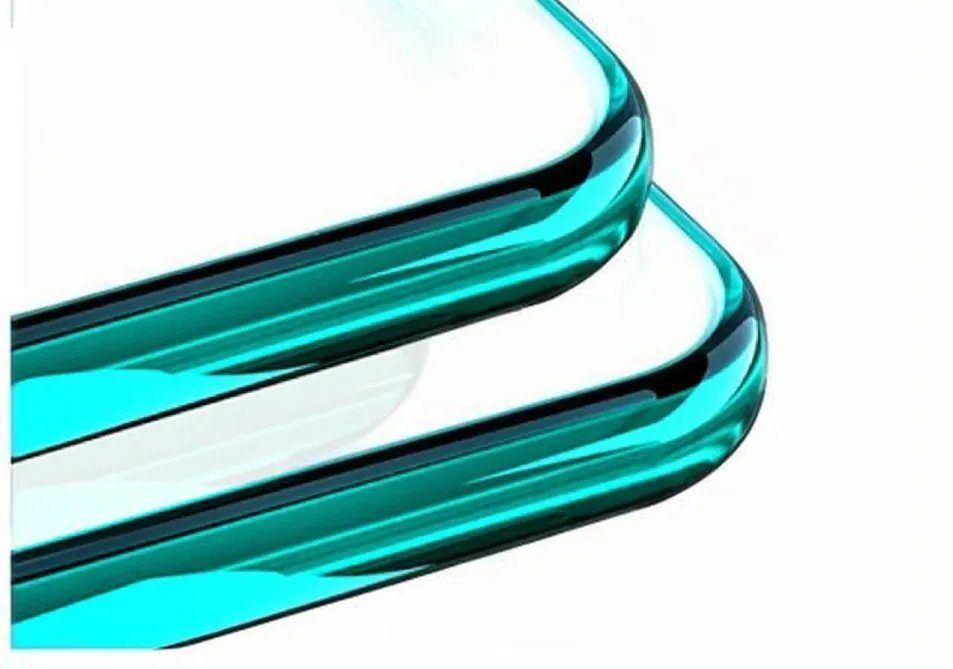
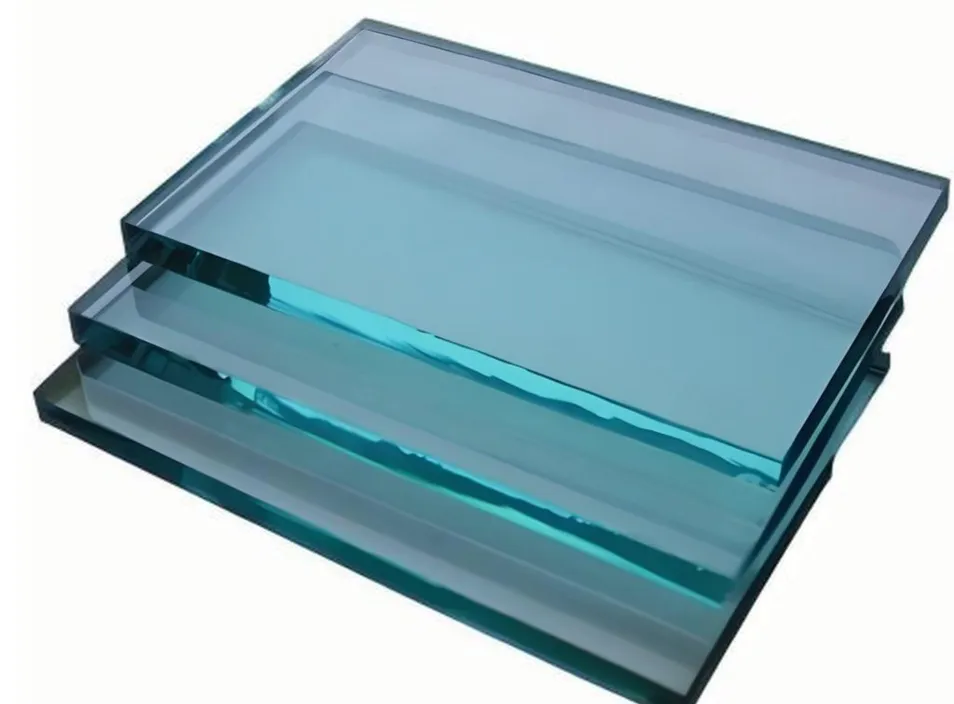
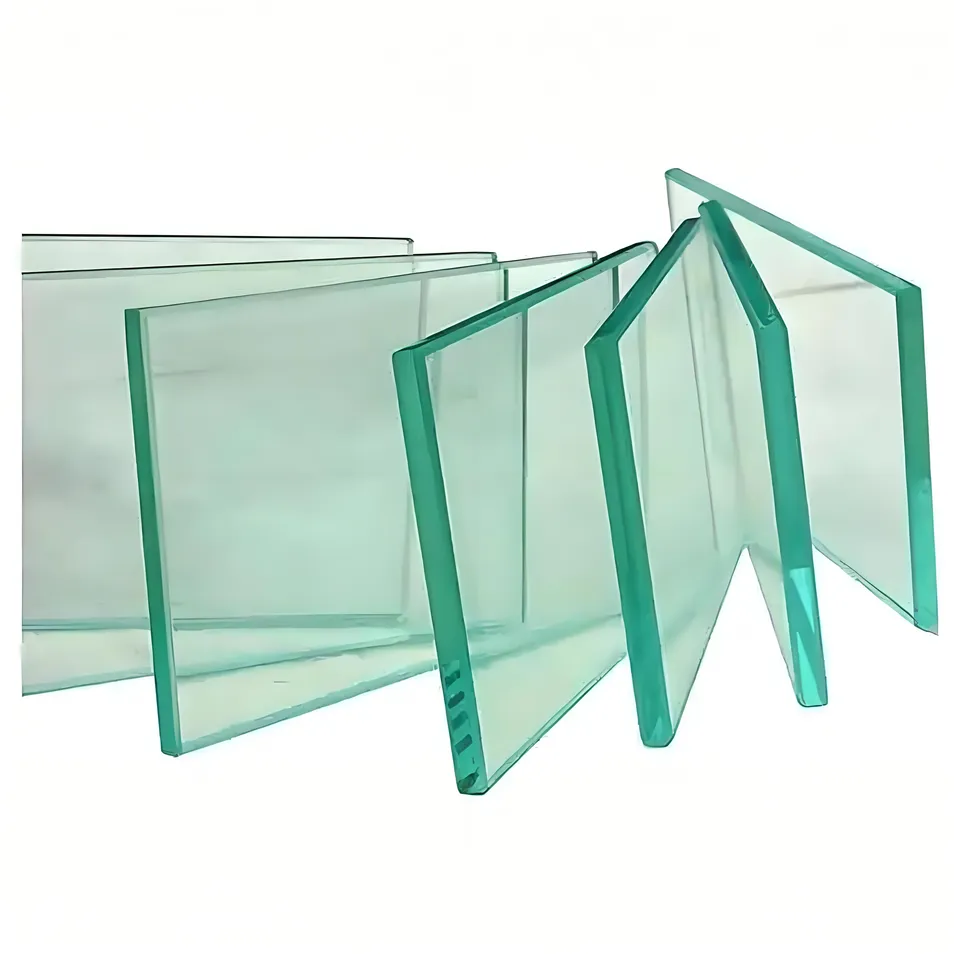
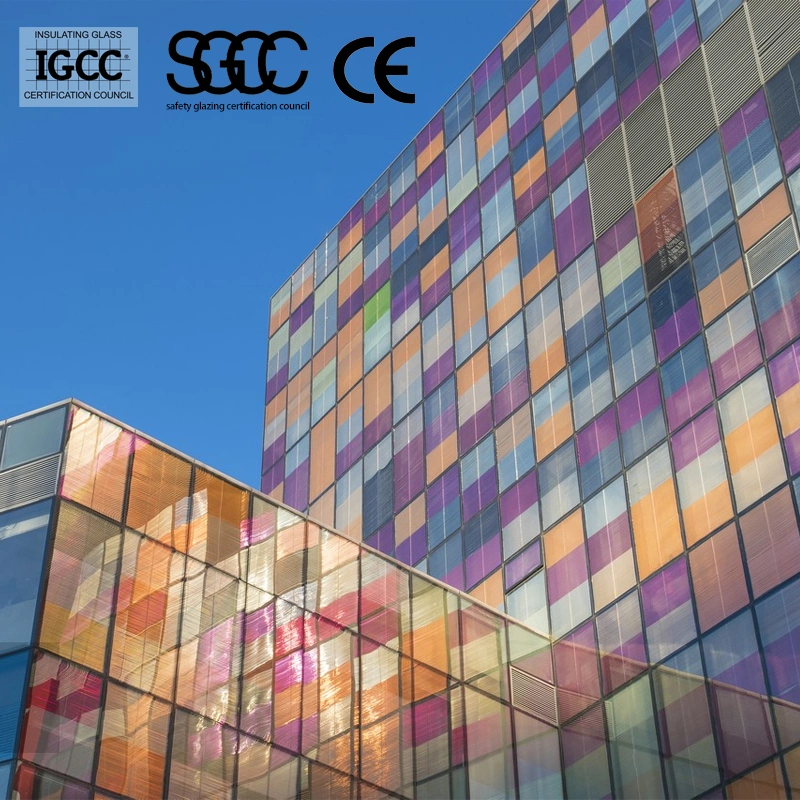
Our products include flat glass, curved glass, and silk screen printed glass, widely used in high-rise building doors, windows, curtain walls, indoor partitions, and furniture.
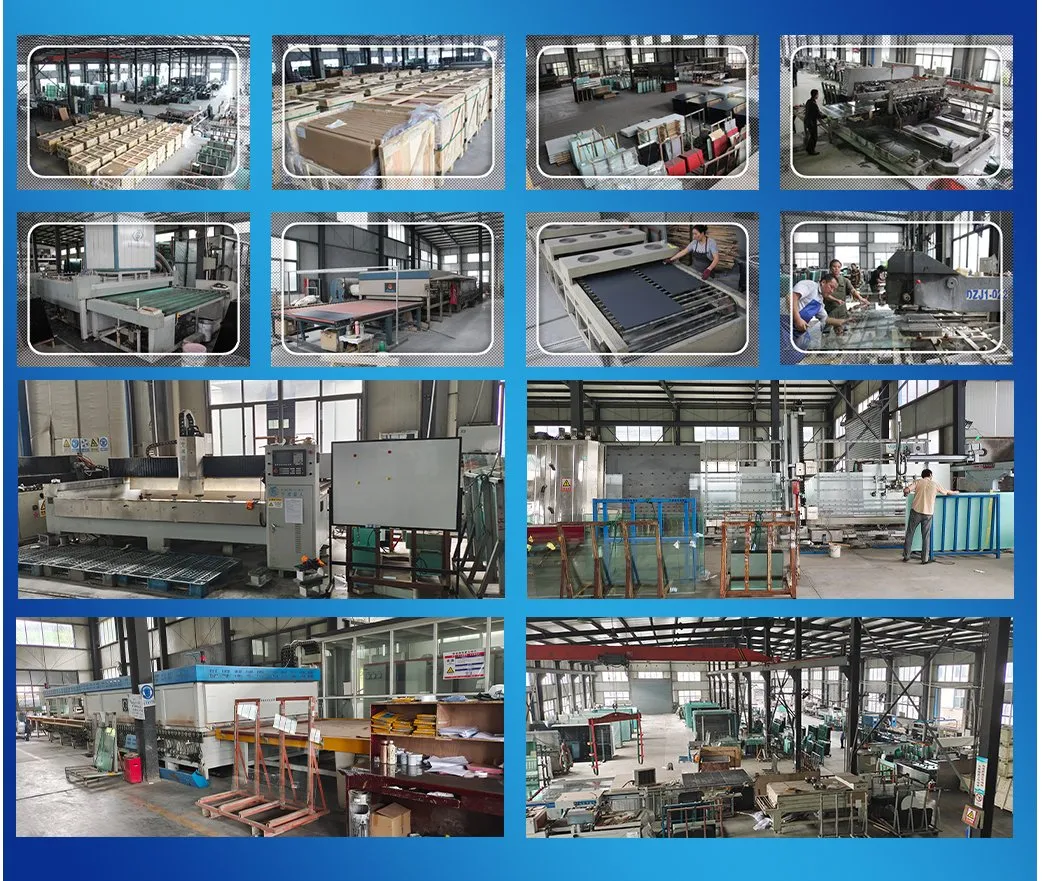
Equipped with advanced automated production lines, we ensure stable and reliable quality. Our glass products comply with international standards including 3C, AS/NZS 2208, SGCC, and CE certifications.
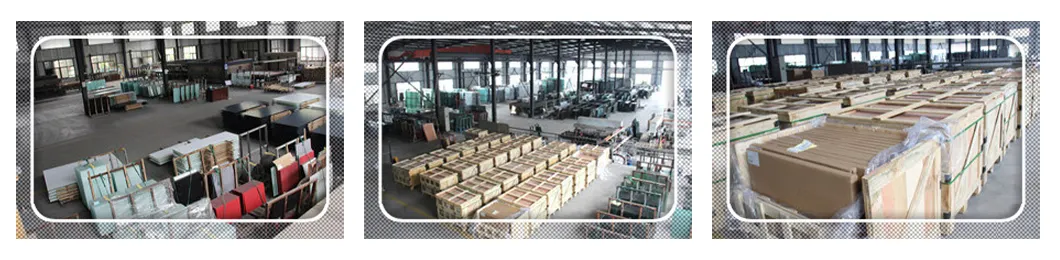
We use custom solid wood packaging to ensure maximum safety during long-distance transportation.
Tempered glass, or toughened glass, is safety glass processed by controlled thermal treatments to increase its strength. It is designed to shatter into small, blunt fragments if broken.
It is significantly stronger, safer, and more versatile. Its internal stress pattern makes it resistant to impacts that would easily break regular glass.
The base material is regular glass, composed mainly of silicon dioxide (SiO2). The tempering process then transforms its physical structure.
Glass sheets are heated to approximately 620°C and then rapidly cooled with forced air. This creates compression on the surface and tension in the core.
It is widely used in high-rise buildings, glass curtain walls, partitions, elevator passages, furniture, and guardrails where safety and strength are required.
Yes, tempered glass has excellent thermal stability and can withstand temperature changes of up to 150°C without cracking.