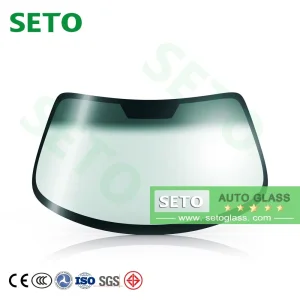
Premium OEM and aftermarket high-durability glass assemblies manufactured to strict international DOT, E-Mark, and CCC safety standards.
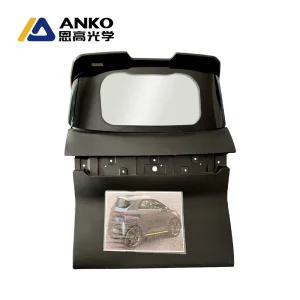
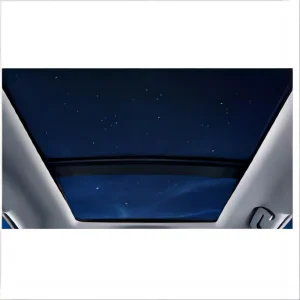
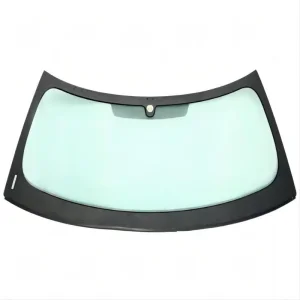
Modern automotive architectural engineering places massive demands on transparent materials. No longer simple wind deflectors, structural glazing is highly integrated into the passive safety system, body stiffness profiles, acoustic insulation setups, and intelligent sensory inputs of light-duty and heavy-duty vehicles alike. When exploring vehicle windows, B2B procurement managers must consider the physical chemistry differences of laminated versus tempered safety variants, polycarbonate configurations, and intelligent heat-modulating assemblies.
"The selection of automotive glazing plays a key role in vehicle frame rigidity. In rollover scenarios, the front windshield provides up to 30% of the cabin's structural roof strength. Laminated high-performance glass prevents cabin collapse and passenger ejection, rendering proper factory-spec glazing absolutely critical to life safety."
To comprehend the industrial vehicle landscape, we must categorise the top tough glass types used by global factories and suppliers. The transition to electric vehicles (EVs), self-driving platforms, and specialised heavy-machinery cabins has forced suppliers to innovate beyond simple monolithic soda-lime glass.
| Glass Architecture Type | Manufacturing Method | Key Strengths & Features | Typical Application Area |
|---|---|---|---|
| Laminated Safety Glass | Sandwiched PVB layer between glass sheets under autoclave heat/pressure. | Fragments adhere to PVB layer upon impact; high acoustic damping. | Front Windshields, Sunroofs, High-security side windows. |
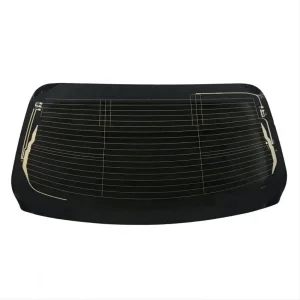
| Tempered Safety Glass | Controlled thermal tempering at ~620°C followed by rapid air quenching. | 4-5x stronger than annealed glass; crumbles into blunt, small particles. | Rear Screens, Side Windows, Sunroofs. |
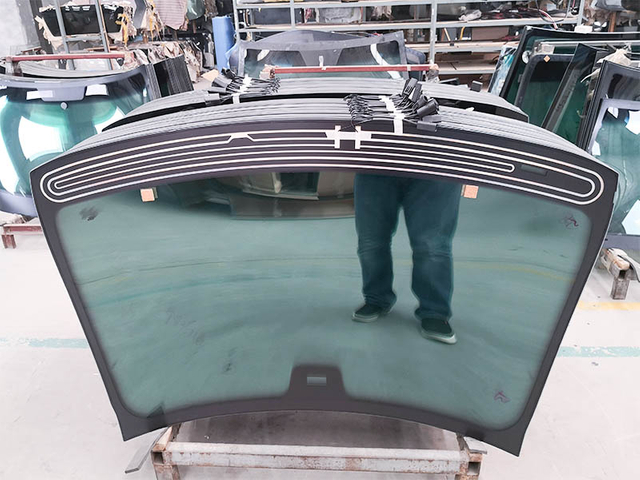
| Coated/Tungsten Heated Glass | Integration of ultra-fine tungsten micro-wires inside PVB interlayer. | Rapid de-icing and defogging; keeps camera/radar areas clear. | All-weather commercial transport, specialty EV cabins. |
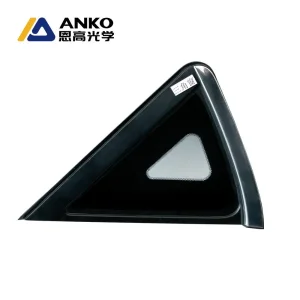
| Polycarbonate (PC) Glazing | High-performance optical PC with siloxane anti-scratch, UV protection coatings. | Up to 200x stronger than glass at half the weight. Extremely impact resistant. | Specialty EV side-triangles, armored transport, sunroofs. |
| Smart/PDLC Electrochromic | Polymer Dispersed Liquid Crystal film integrated into lamination. | Electronically switchable transparency levels for thermal/solar control. | Premium vehicle skylights, panoramic sunroofs. |
From an international logistics perspective, the market is undergoing a strong shift towards low-emissivity (Low-E) coatings and acoustic PVB layers. The rise in logistics rates and shipping container optimization demands that B2B suppliers possess deep competencies in export packaging, shock-absorbent wood framing, and compliance certifications.
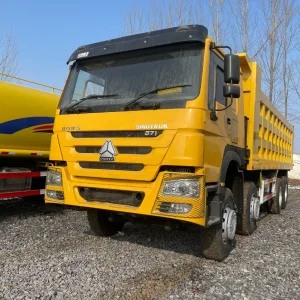
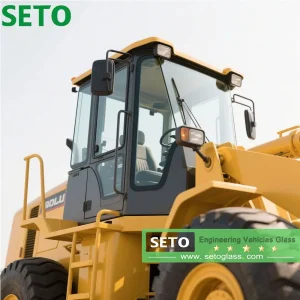
For industrial sectors such as waste disposal logistics, specialized heavy excavators, and agricultural transporters, glass parts must withstand extreme mechanical stress. Factors like mining site vibrations, flying debris, and corrosive chemical environments require specialised chemical strengthening process technologies. In contrast, urban passenger electric vehicles prioritize acoustic noise reduction and solar control to minimize climate control battery draw, enhancing driving range.
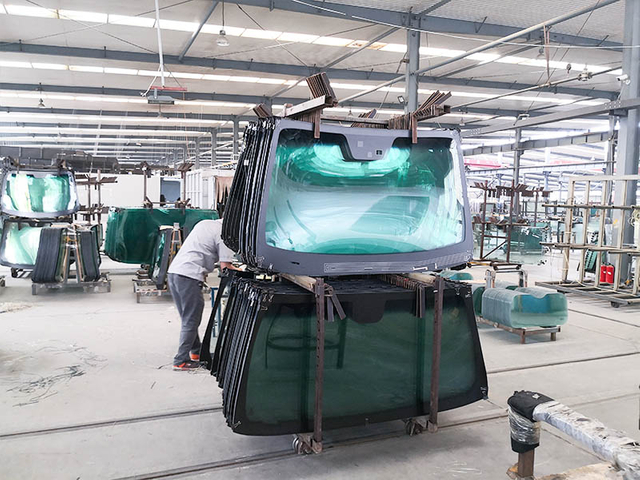
As a leading specialist in automotive glazing systems, Shandong AGS Glass Co., Ltd stands as a professional automotive glass manufacturer. The group is mainly engaged in the research and development, production, and sales of various types of automotive glass: laminated glass, tempered glass, frame-integrated glass, bus glass, tungsten heated glass, electric vehicle glass, truck glass, agricultural vehicles glass, engineering vehicles glass, and more.
The Corporation Group now covers an area of 30,000 square meters, employing more than 100 people and owning 12 senior and intermediate technicians who bring strong technical force and innovative ability to the production line. To meet stringent safety standards worldwide, AGS auto glass products possess certifications verified by China CCC, Europe E-mark, and USA DOT. In 2015, AGS passed the certifications of ISO/TS-16949 and ISO-9001, which represent the highest international quality management systems in the automotive parts industry.
"Our auto glass is exported to Europe, America, Southeast Asia, Africa, and more than 20 countries and regions. We promise strict quality management, fast delivery, timely and thoughtful after-sales service, and competitive pricing to every B2B client."
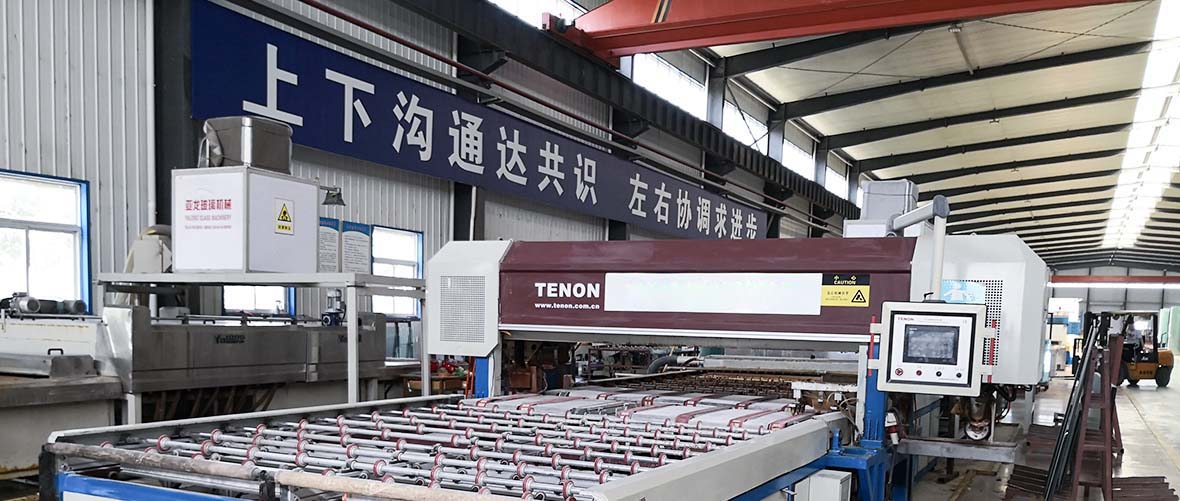
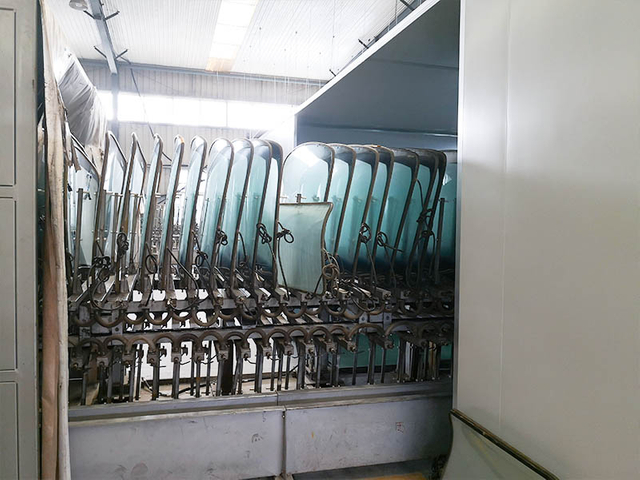
Continuous investment in advanced tempering furnaces, high-pressure autoclaves, and automated CNC edging equipment guarantees consistency in geometric curvature and optical precision across all production lines.
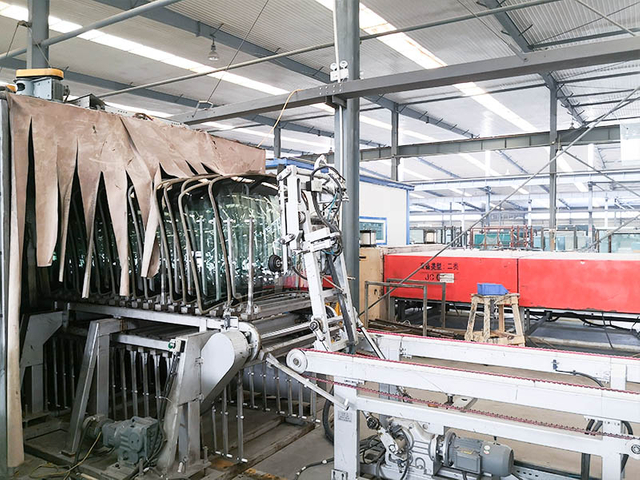
Tough vehicle glass must perform under specific environmental conditions, depending on the vehicular class:
Explore our engineering cabin glass solutions, smart window films, and heavy vehicle glass options for global distribution.
 AGS Glass