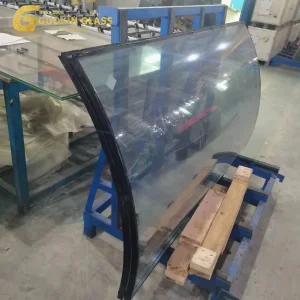
Premium Curved Tempered Glass Solutions for Wholesale Curtain Walls

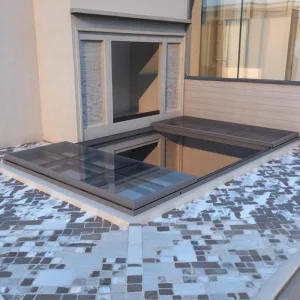
Custom Modern Automatic Skylight Aluminium Sliding Glass Roof Top Home Interior Daylighting Skylight
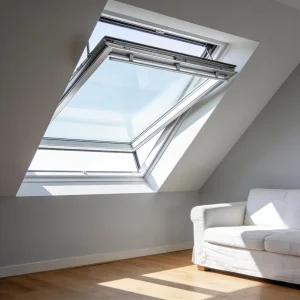
High-Quality Skylight in 6061-T6 Alloy 1 6mm Thickness Anodized Finish
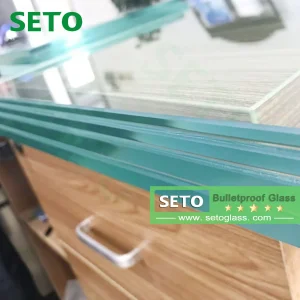
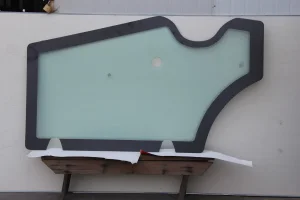
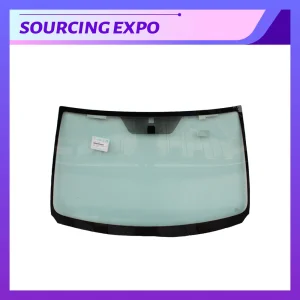
Front Windshield Side Window Glass Rear Laminated Glass for Car
In the contemporary automotive landscape, a windshield is no longer just a structural component; it is a sophisticated interface integrated with ADAS, thermal management, and safety coatings. Hydrophobic technology—the ability of glass to repel water through high contact angles—has transitioned from a premium aftermarket luxury to an essential industrial requirement for autonomous driving and heavy-duty logistics.
Modern hydrophobic windshields utilize fluorinated silanes or nanostructured ceramics. By increasing the water contact angle to >110°, raindrops maintain a spherical shape and are shed by aerodynamic forces at speeds as low as 40 km/h, significantly improving visual acuity during extreme weather.
The global market for hydrophobic automotive glass is projected to reach $4.2 billion by 2028. Leading exporters are shifting from spray-on coatings to Physical Vapor Deposition (PVD) and Sol-Gel processes, which fuse the hydrophobic layer into the glass matrix for permanent durability.
China, Germany, and the USA dominate the export landscape. Tier-1 manufacturers are now prioritizing "Total Visibility Solutions," combining IR-cut, acoustic damping, and hydrophobic properties into a single laminated safety glass (LSG) unit.
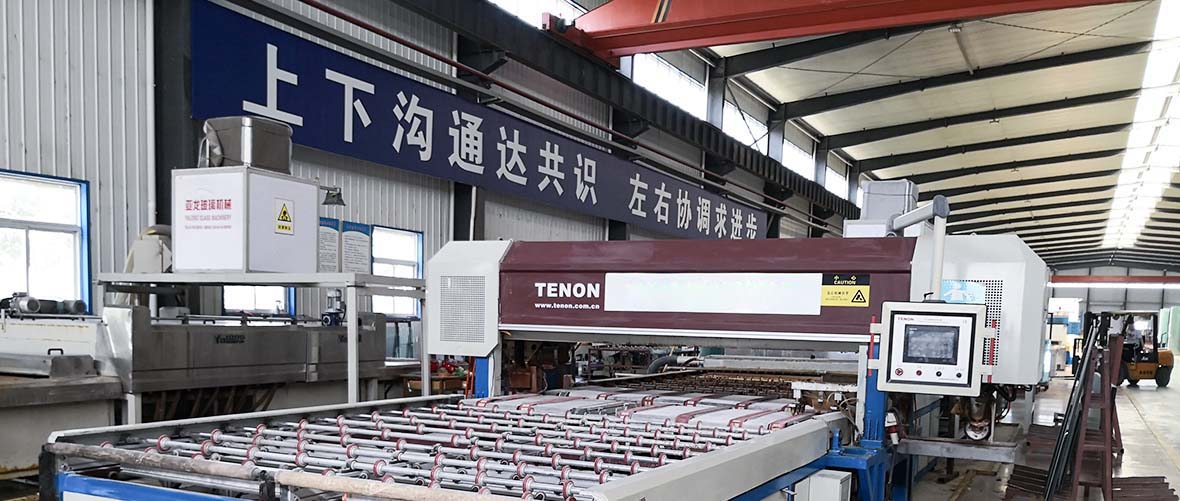
Shandong AGS Glass Co., Ltd stands as a beacon of excellence in the professional automotive glass manufacturing sector. Our core expertise lies in the rigorous R&D, large-scale production, and global distribution of specialized glass solutions.
Our portfolio encompasses laminated safety glass, tempered high-impact glass, bus and truck systems, and innovative tungsten-heated conductive glass. As a primary exporter in the hydrophobic segment, we integrate advanced chemical vapor treatments that ensure long-term visibility for commercial and passenger vehicles alike.
Integration of oleophobic (oil-repellent) and hydrophobic layers to prevent road grime and diesel soot from adhering to the windshield.
Developing specific "optical windows" within the hydrophobic layer to ensure LIDAR and Camera sensors remain clear without interference.
Introduction of polymer-based coatings that can "heal" micro-scratches from wipers through thermal activation or UV exposure.
One-size-fits-all is a myth in automotive glass. Shandong AGS Glass designs specific solutions for localized environments:
In the automotive supply chain, trust is built on certification. Our factory processes are validated by the most stringent international bodies:
The Corporation Group employs over 12 senior technicians dedicated to innovation, ensuring that every piece of glass—from a Toyota front windshield to a custom armored vehicle unit—meets these rigorous benchmarks.
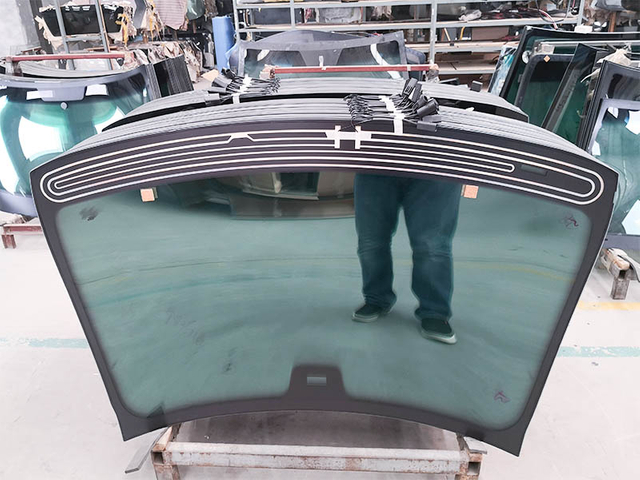
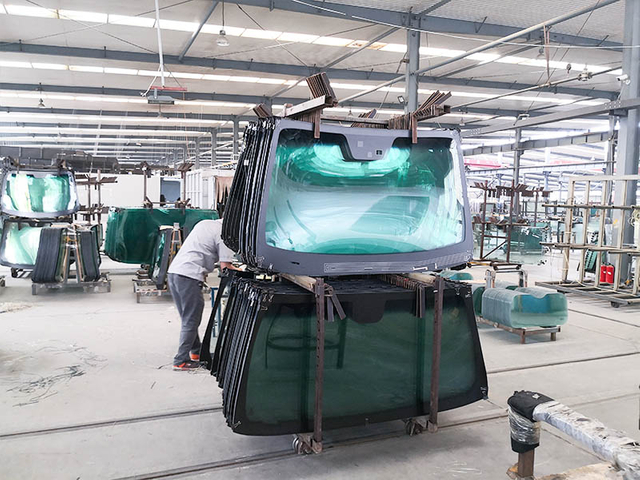
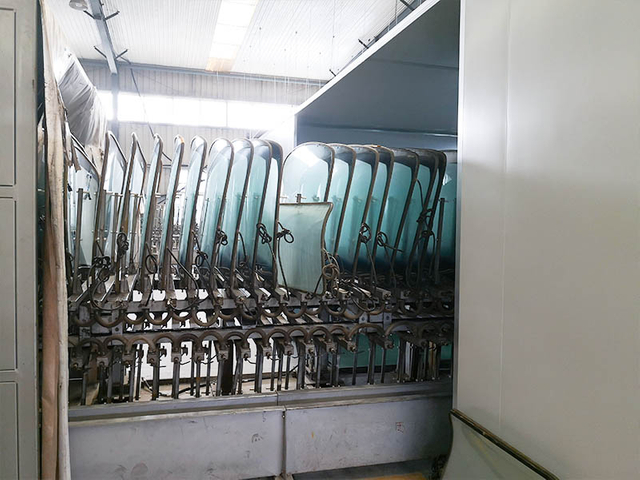
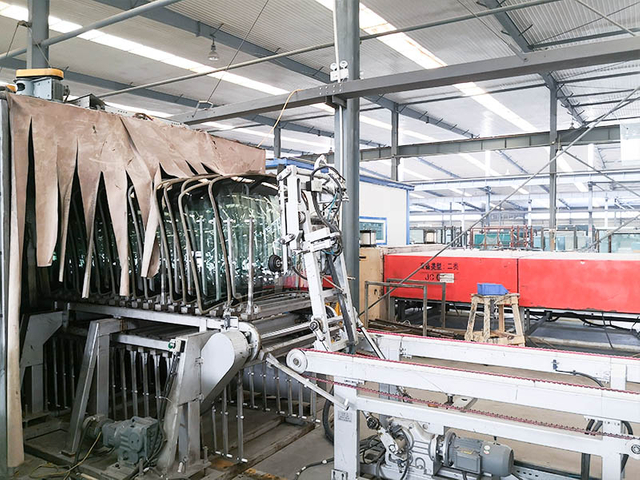
Bus and coach windshields require high durability and sound insulation. Our heated conductive glass ensures zero downtime during winter, while hydrophobic surfaces reduce wiper wear by 40%.
Agricultural and engineering vehicles operate in mud-heavy environments. Our customized coatings prevent mud adhesion, maintaining visibility in critical worksite conditions.
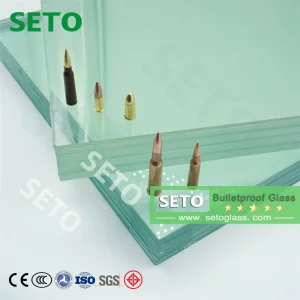
Bulletproof and armored glass integrated with IR/UV protection. We provide multi-layer triplex laminated safety glass that resists ballistic impact while maintaining crystal-clear optics.
While aftermarket sprays last 3-6 months, factory-applied PVD or Sol-Gel coatings from reputable exporters like AGS can last 3-5 years, depending on wiper usage and environmental exposure.
Yes. In fact, it is recommended. Hydrophobic properties prevent water droplets from distorting the "vision" of the camera, reducing false alerts and system disengagements during rain.
A reliable exporter must hold CCC (China), E-Mark (Europe), and DOT (USA). Furthermore, ISO/TS-16949 is crucial for demonstrating a mature quality management system in the automotive industry.
Absolutely. Modern factories use precision CNC cutting and bending to match OEM specifications perfectly, ensuring seamless fitment for front, side, and rear glass assemblies.
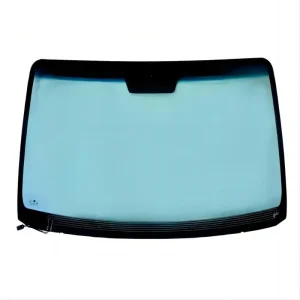
Direct Wholesale Sound Proof Heat-Proof Laminated Coach Glass Front Windshield
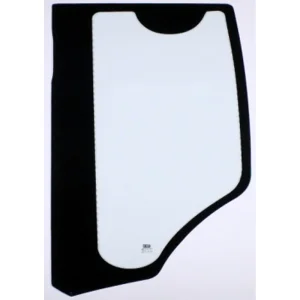
High Quality Cab Parts Tractor Truck Systems Right Door Glass Assembly
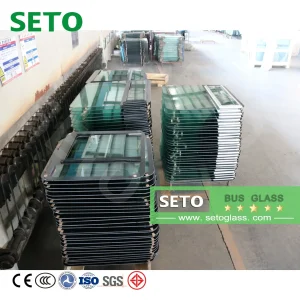
Hotsell Factory Rear/Side/Front Bus Windshield Glass Sliding Windows Tempered Glass
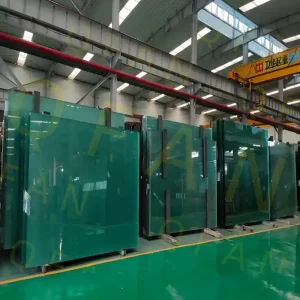
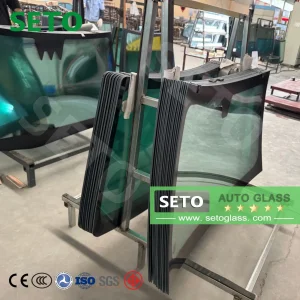
Auto Glass Windshield Factory Automobile Window Regulator Glass
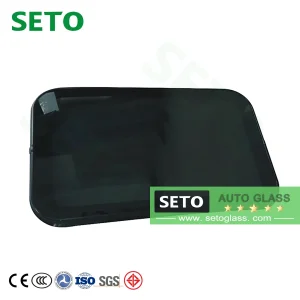
Car Window Lfw RW Side Door Assembly Side Window Paranomic Sunroof Glass
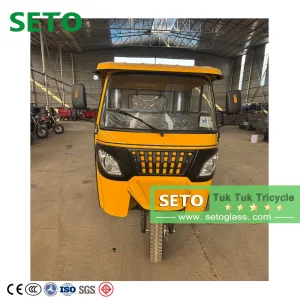
High-Quality Laminated Bajaj Glass 5mm for Indian Auto Rickshaws
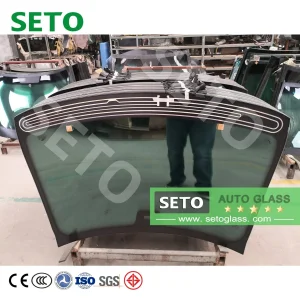
Car Front/Rear/Back/Windshield/Side Window/Mirror Glass for Hilux Ranger Explorer
Shandong AGS Glass Co.,Ltd — Your Partner in Advanced Automotive Glass Innovation.
Fast Delivery | Competitive Price | ISO/TS-16949 Certified Quality
 AGS Glass