Explore our primary selection of tempered, laminated, and borosilicate safety glass engineered for extreme thermal endurance and structural integrity.
Automotive and heavy machinery manufacturers face unprecedented thermal management challenges. Choosing the correct supplier for heat-resistant glass directly impacts structural safety, operational performance, and energy efficiency.
Modern vehicles are increasingly designed with larger panoramic roofs, complex curvature windshields, and heavy-duty cabins. As a result, automotive glass is exposed to high ambient temperatures, intensive UV/IR exposure, and rapid thermal cycling. Heat-resistant auto glass prevents mechanical failure caused by thermal differentials. This is vital when active defoggers, integrated heating elements, or solar control films are used. These technologies create micro-climatic gradients across the glass surface.
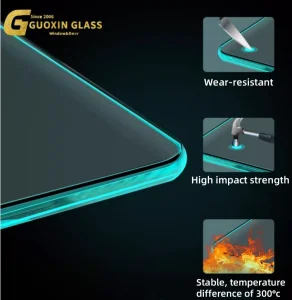
By specifying high-performance tempered and laminated safety glass, automotive OEMs ensure passenger protection while meeting global safety mandates. This integration prevents the dangerous thermal shock breakage common in sub-standard components.
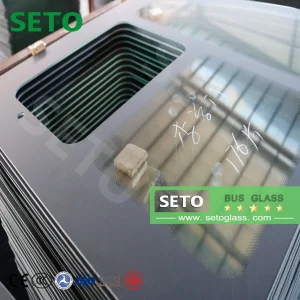
Shandong AGS Glass Co.,Ltd is a professional automotive glass manufacturer. We are mainly engaged in the research and development, production, and sales of various types of automotive glass. Our extensive product portfolio includes laminated glass, tempered glass, frame-integrated glass, bus glass, tungsten heated glass, electric vehicle glass, truck glass, agricultural vehicle glass, and engineering vehicle glass.
The Corporation Group now covers an area of 30,000 square meters, employing more than 100 people and owning 12 senior and intermediate technicians. This strong technical force and innovative ability underpin all our processes. Our auto glass products possess certifications verified by China CCC, Europe E-mark, and USA DOT. In 2015, AGS passed the certifications of ISO/TS-16949 and ISO-9001, the highest international quality management systems in the auto parts industry.
The quality of our products has won high recognition and wide praise from domestic and foreign customers. Our auto glass is exported to Europe, America, Southeast Asia, Africa, and more than 20 countries and regions. We promise strict quality management, fast delivery, timely and thoughtful after-sales service, and competitive pricing to every customer. AGS GLASS sincerely looks forward to cooperating with you.
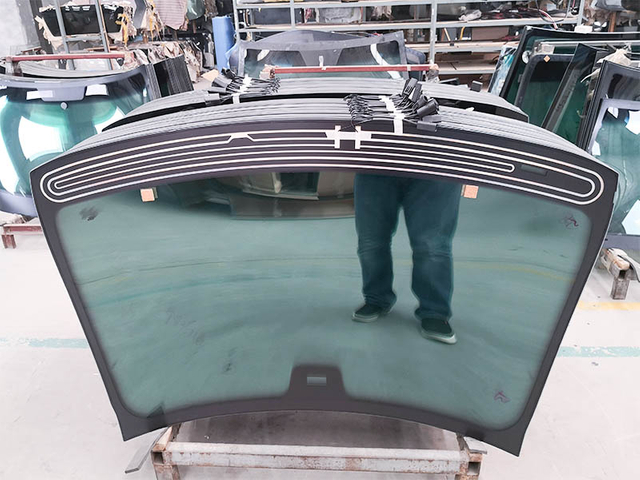
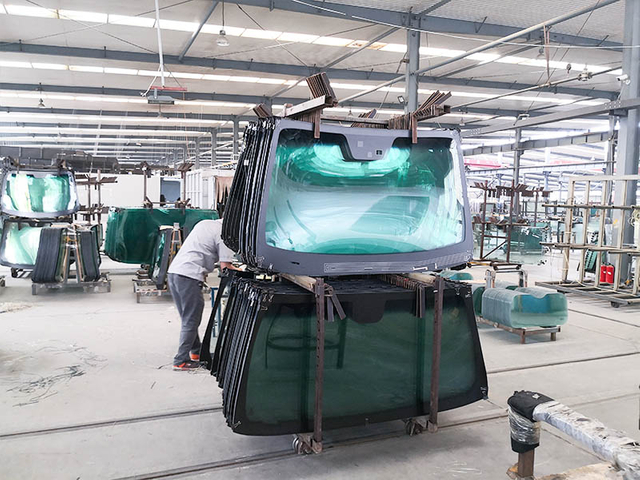
The evolution of automotive glazing: from simple wind protection to intelligent thermal barrier hubs.
Tailored industrial glazing solutions designed to meet the rigorous safety demands of extreme commercial applications.
| Glazing Technology | Thermal Operating Range | Core Application Domain | Primary Standards |
|---|---|---|---|
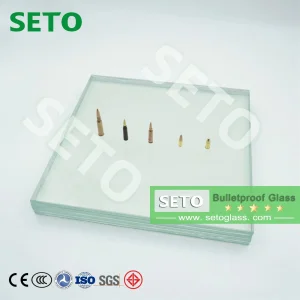
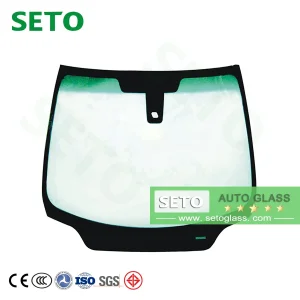
| Laminated Safety Glass | -40°C to +90°C | Passenger car windshields, bus windshields, armored security vehicles | ECE R43, ANSI Z26.1 |
| Tempered Safety Glass | -50°C to +150°C | Cabin side/rear windows, excavator doors, tractor glass | US DOT 1024, CCC |
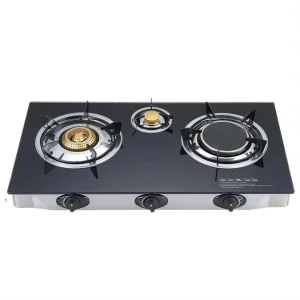
| Borosilicate Heat Resistant Glass | Up to +450°C (Continuous) | Specialty paving cabins, kiln observation windows, home building fixtures | ISO 3585, EN 1748 |
| Tungsten Heated Glass | -60°C to +70°C (Active heating) | Locomotive cockpits, cold-region transport vehicles, high-altitude machinery | EU EN 12898 |
By engineering specialized interlayers and refining chemical bath compositions, AGS meets the distinct demands of diverse industries. This includes minimizing solar radiation in public transit fleets and ensuring the integrity of glass near engine housing in paving machinery.
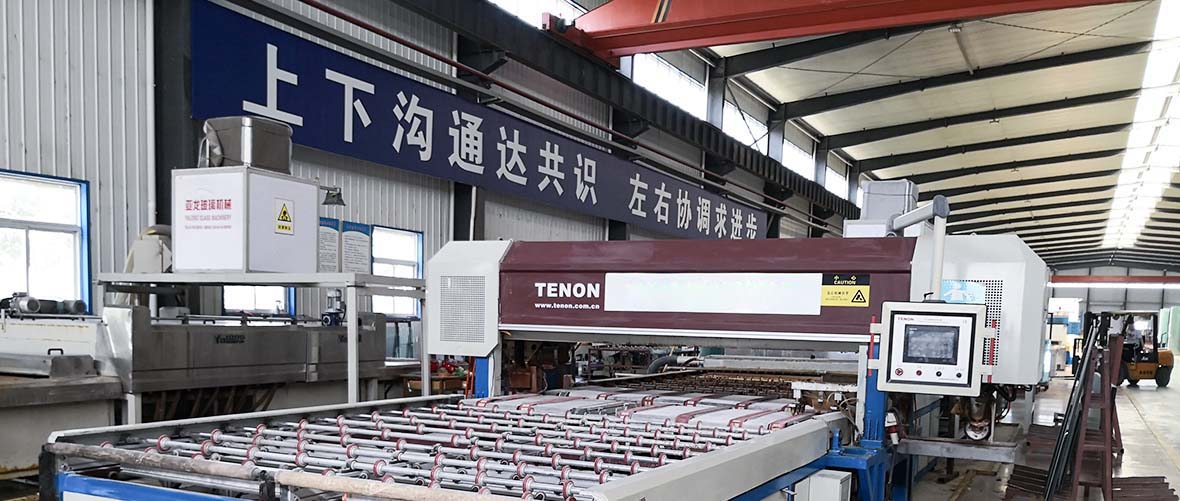
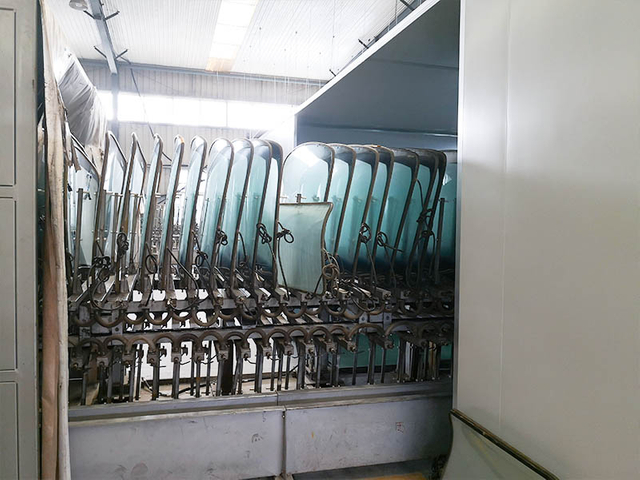
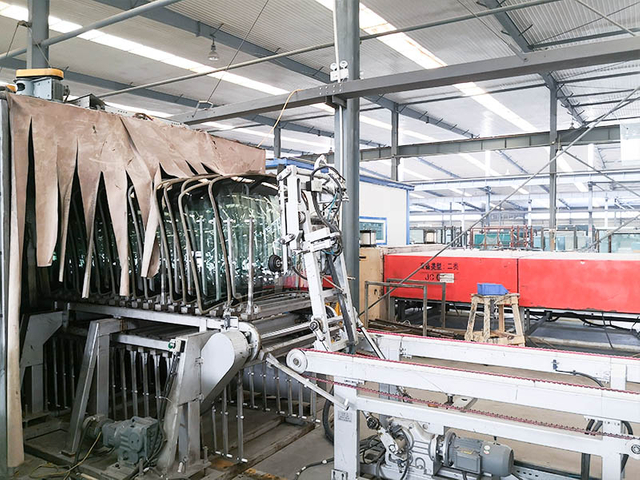
Operating a 30,000-square-meter facility in Shandong, China, gives AGS geographic and systemic advantages. We integrate raw float glass cutting, edging, bending, tempering, and lamination into a single, contiguous production line. This workflow minimizes transport-induced defects and shortens lead times.
Shandong's local industrial cluster provides rich sources of high-grade silica sand and high-quality float glass panels. Our proximity to major shipping hubs, such as Qingdao Port, guarantees consistent dispatch times. This structural efficiency insulates global buyers from logistics delays.
Every manufacturing run undergoes strict validation protocols. Computerized optical scanners inspect each sheet for surface planarity and visual distortion. High-temperature testing ovens verify thermal shock resistance limits, ensuring all units exceed standard OEM expectations. Our ISO/TS-16949 certified workflow ensures consistent quality from prototype through to mass production batches.
Procurement checklist for international purchasing managers sourcing heat-resistant automotive and machinery glass.
Ensure the supplier holds active certifications for your target market. Look for DOT (US), E-mark (Europe), and CCC (China). AGS maintains current registrations across these frameworks. This simplifies import customs clearance and vehicle safety sign-off.
Request data on temperature differential testing (delta T). High-quality heat-resistant glass should withstand a sudden temperature gradient of 150°C to 200°C without fracturing. For extreme industrial uses, borosilicate formulations should be specified.
Automotive glass requires specialized wooden crating with humidity-resistant interleaf paper to prevent surface staining. Verify the supplier’s transit damage rate and insurance coverage protocols. AGS offers robust packing systems and direct logistics links to reduce handling risks.
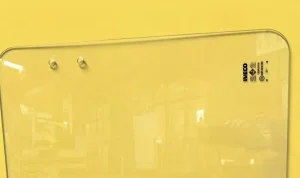
Navigating varying regional transport standards is a key obstacle for global vehicle builders. Each vehicle component must display the required safety markings to be road-legal. At AGS, we handle compliance at the source. This includes marking glass with the USA Department of Transportation (DOT) manufacturer code, the European Union's E-mark (ECE R43), and China's Compulsory Certificate (CCC).
Our dedicated regulatory department tracks updates to global safety laws. When exporting to South America, Australia, or Southeast Asia, we adjust our manufacturing recipes and certification markings to match regional regulations. This compliance shielding minimizes product liability risk for our clients.
 AGS Glass