Explore our top-recommended fleet maintenance glasses, polyurethane adhesives, and structural trim solutions engineered to meet safety standard regulations globally.
In global logistics, passenger transport, and construction, the automotive glass on commercial fleets is much more than a transparent wind-break. Modern fleet glass functions as a vital structural component that contributes to the vehicle's structural integrity, occupant safety, and the proper calibration of Advanced Driver Assistance Systems (ADAS). When fleet glass fails, companies face substantial losses not just from replacement costs, but from operational downtime, compromised cargo, and liability risks.
As a leading priority in preventive maintenance, procuring fleet glass requires a comprehensive evaluation of manufacturers. Selecting the right supplier involves analyzing certifications, manufacturing tolerances, optical qualities, and supply chain resilience. This white paper serves as an authoritative procurement analysis, mapping out how top-tier manufacturers design and export reliable glass components that significantly lower your fleet's Total Cost of Ownership (TCO).
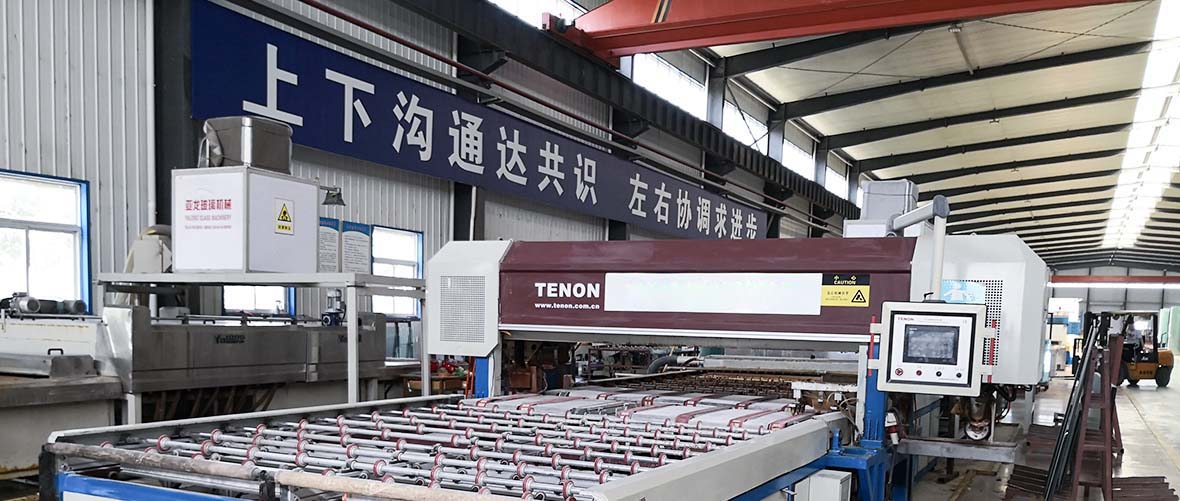
An inside look at one of China's premier automotive glass engineering corporations, specializing in heavy-duty commercial fleet configurations.
Shandong AGS Glass Co., Ltd stands as a benchmark of engineering precision and high-volume capacity in the automotive glass sector. Spanning a state-of-the-art facility of over 30,000 square meters, the corporation operates advanced automated lines driven by a highly skilled workforce of over 100 dedicated manufacturing professionals, guided directly by 12 senior and intermediate glass-forming technicians.
Focusing on rigorous quality verification, AGS Glass manufactures products conforming strictly to global safety standards. The company's output holds certifications from the China CCC (Compulsory Certification), the European Union E-mark (ECE R43), and the United States DOT (Department of Transportation). In 2015, AGS established its compliance with the international automotive sector standard by attaining ISO/TS-16949 and ISO-9001 certifications, representing the pinnacle of quality management systems within the automotive components manufacturing supply chain.
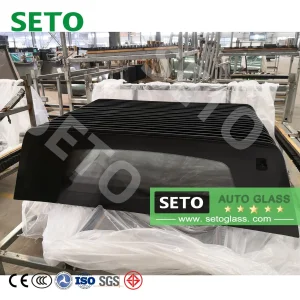
By leveraging its robust engineering capabilities, AGS Glass exports customized laminated and tempered safety glass solutions to over 20 countries across Europe, the Americas, Southeast Asia, and Africa. Their product lineup addresses every facet of commercial fleets, including high-impact laminated windscreens, side-window tempered glass, agricultural machinery glazing, integrated tungsten heated glass arrays, and specialized cabin glass for electric vehicles and heavy engineering equipment.
The confluence of high-purity raw materials, manufacturing automation, and industrial cluster economics provides Chinese factories with distinct competitive advantages.
Shandong province houses some of the world's most productive high-purity silica sand mines and float glass production lines. This immediate raw material accessibility eliminates international logistics transit overheads and guarantees a stable chemical composition from batch to batch, ensuring that the structural base of the glass remains consistent.
Chinese OEM glass manufacturers offer end-to-end processing. A single facility handles glass cutting, edge polishing, custom silkscreen printing, thermal tempering, bending, PVB lamination, and automated sensor bracket encapsulation. This unified sequence decreases error rates and guarantees a snug fit during vehicle installation.
By using modern, automated CNC machining tables and large-capacity pressurized autoclaves, Chinese manufacturers achieve high optical clarity while minimizing internal glass stress. Fleet managers benefit from replacement glass that matches OEM specifications at a fraction of the cost of domestic Western parts.
A strategic checklist designed for procurement officers sourcing high-performance glass to minimize downtime and maintain route safety.
Ensure the supplier stamps every piece of glass with appropriate certification marks, including United States DOT codes, European Union E-mark numbers (e.g., E1 for Germany, E11 for UK), and China's CCC mark. Lacking these marks can lead to immediate vehicle grounding during safety inspections.
For long-haul logistics fleets, choose laminated windscreens featuring acoustic-enhanced PVB (Polyvinyl Butyral) interlayers. These interlayers reduce cabin noise levels and minimize driver fatigue, directly enhancing road safety.
Verify that manufacturing tolerances fall within ±0.2mm. Glass that deviates from strict dimensional standards places stress on the vehicle frame, leading to premature cracking when navigating uneven road surfaces.
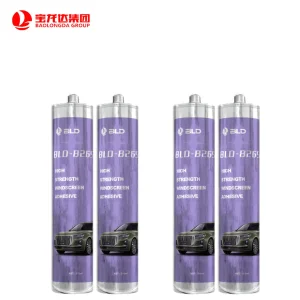
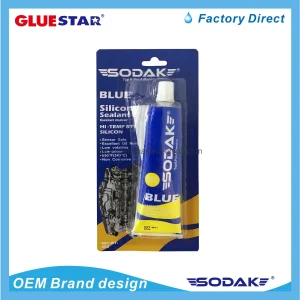
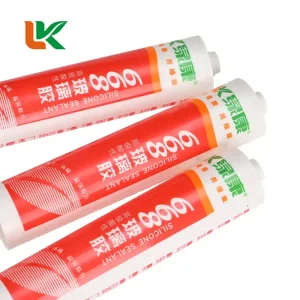
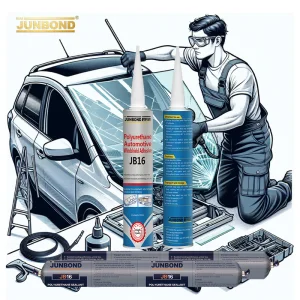
A high-performance windscreen requires top-tier sealants. Sourcing your glass alongside premium vehicle polyurethane adhesives ensures chemical compatibility and prevents cabin leaks and structural failures.
How top manufacturers tailor glass chemistry and design to meet the unique challenges of specific fleet sectors.
Long-distance haulage trucks require windshields that withstand constant high-velocity impacts from road debris. Top manufacturers address this by thickening the outer glass ply in laminated designs. Integrating heated tungsten wire grids prevents fogging and ice accumulation without compromising optical visibility, keeping cargo moving in sub-zero climates.
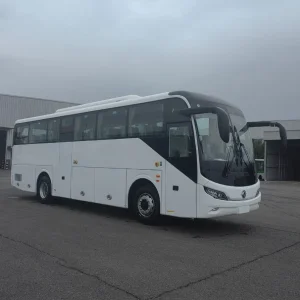
Buses and municipal coaches demand massive, curved, panoramic laminated glass structures. The challenges here involve maintaining optical consistency to prevent distortion along curves, which can strain a driver's eyes. Manufacturers like AGS utilize advanced gravity bending and forced-convection bending furnaces to ensure perfect, distortion-free views for coaches, such as the Dongfeng 31-56 seat bus lines.
Tractors, excavators, and agricultural vehicles operate in dusty, high-vibration environments. These vehicles rely heavily on thick, tempered glass sections that resist mechanical stress. For extreme operations, manufacturers offer reinforced cab glass packages that protect cabin operators from flying debris while maintaining a dust-tight seal with specialized outer gaskets.
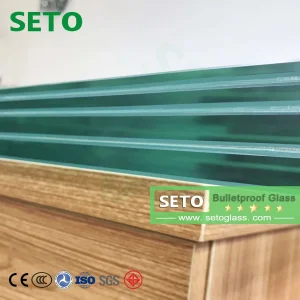
For government and corporate VIP security fleets, standard safety glass is insufficient. Manufacturers supply high-performance multi-layered bulletproof glass, which combines glass plies with polycarbonate sheets. Designed for vehicles like the Land Cruiser 200 series, this glass handles high-velocity ballistic impact forces without fragmentation or cabin penetration.
The transition toward smart vehicle networks is transforming automotive glass into an interactive component.
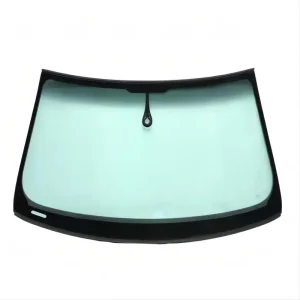
Modern commercial windscreens house camera and radar sensors for lane departure warnings and collision avoidance. Top manufacturers construct these windows with specialized optical zones that match camera focal points precisely, preventing sensor miscalibration and keeping active safety features operational.
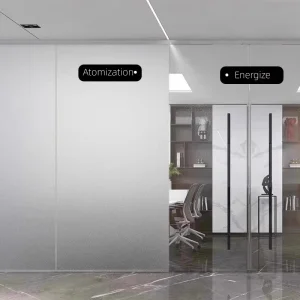
Utilizing Polymer Dispersed Liquid Crystal (PDLC) technology, fleet operators can now integrate switchable smart glass. By applying a minor electrical current, drivers can transition side windows or sunroof glass from opaque to clear. This technology controls cabin heat, reduces air conditioning strain, and protects valuable cargo from outside view when parked.
As logistics fleets transition to electric drivetrains, reducing overall vehicle weight is crucial to maximizing range. Glass manufacturers are developing thinner, chemically-tempered glass combinations that reduce weight by up to 30% while matching or exceeding the impact strength of traditional glass.
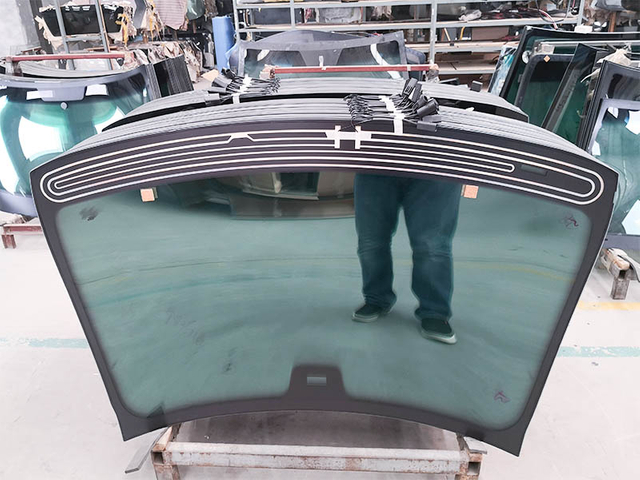
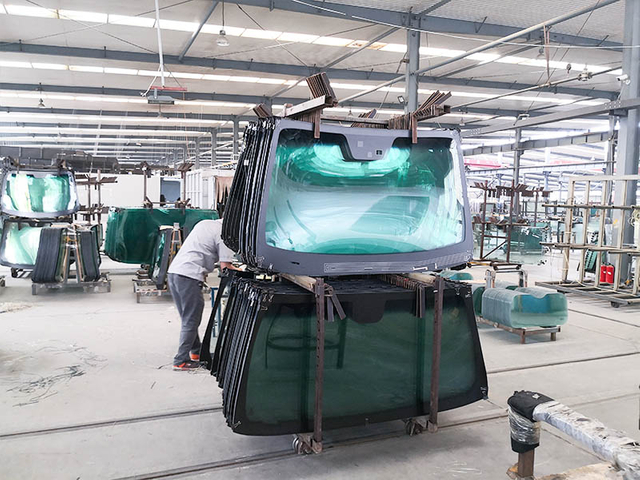
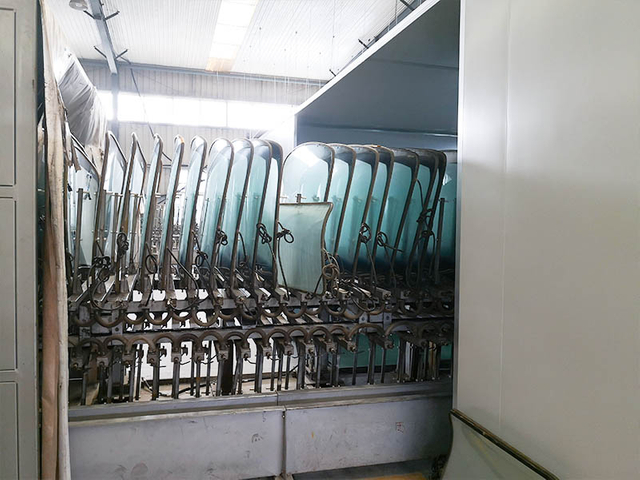
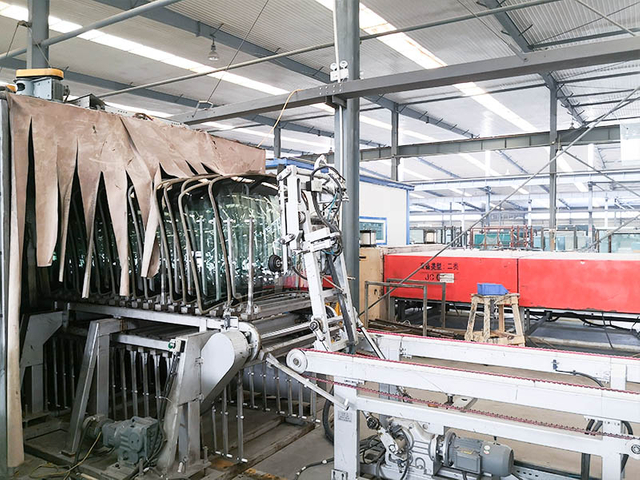
A visual overview of our advanced tempering, lamination, and quality control processing sections.
Get expert answers to common queries regarding standards, custom orders, and logistics.
These certifications guarantee that the replacement glass complies with strict regional safety standards. Specifically, DOT (FMVSS 205) indicates US safety compliance, E-mark (ECE R43) is required across Europe, and CCC confirms compliance with Chinese standards. Using uncertified glass on commercial fleets can lead to regulatory fines, failed inspections, and increased liability in the event of an accident.
Laminated glass consists of two layers of glass bonded together by a PVB interlayer, which prevents shattering and holds the glass in place upon impact. This design is mandatory for windscreens. Tempered glass is single-layer glass that is thermally treated to increase its strength. If it breaks, it disintegrates into small, dull fragments. Tempered glass is typically used for side and rear windows.
Using high-viscosity, primer-less polyurethane sealant guarantees a faster Safe Drive-Away Time (SDAT). A high-viscosity sealant holds the windshield in place immediately upon application, preventing slipping or leaks and allowing vehicles to return to service much sooner than standard adhesives allow.
Yes. Utilizing PDLC (Polymer Dispersed Liquid Crystal) technology within the laminated layers allows operators to adjust window tint electronically. This is highly beneficial for tourist coaches, VIP shuttles, and transport vans to control solar heat gain, lower cooling energy consumption, and protect cargo or passenger privacy.
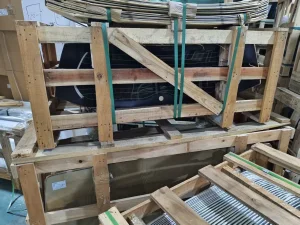
AGS Glass utilizes heavy-duty, reinforced wooden crates customized to the dimensions of the glass shipment. Protective cork pads separate individual glass panes, and the crates are tightly packed and secured within shipping containers. This packaging method minimizes movement and absorbs vibrations during long-distance sea and land transit.
Windscreens are housing platforms for cameras and sensors that manage safety systems like lane-keep assist. Even minor deviations in glass curvature or thickness can distort the camera's view, leading to system errors or safety warnings. Choosing glass built to precise OEM tolerances (within ±0.2mm) ensures consistent ADAS calibration and reliable sensor operation.
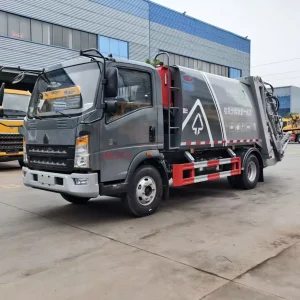
Complete your procurement cycle with our certified architectural safety glass, specialized fleet vehicles, and high-performance sealing compounds.
 AGS Glass