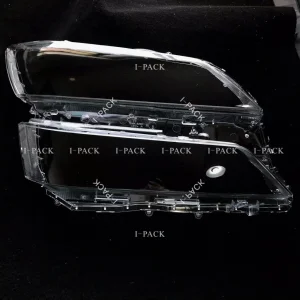
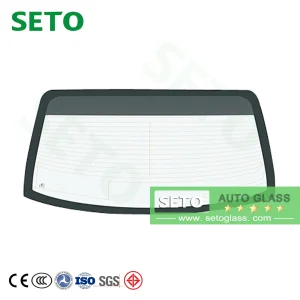
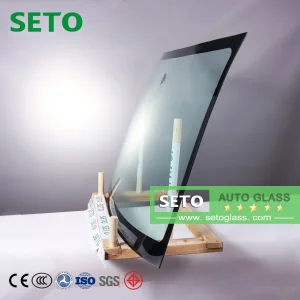
Explore our structural lightweight automotive panels, high-strength smart glass assemblies, and specialized vehicle replacement glazing.
The paradigm shift in the modern automotive supply chain is relentlessly driven by two forces: the mandate for electric vehicle (EV) range extension and the structural reduction of global carbon emissions. Glass constitutes up to 10% of a vehicle's exposed surface area and is a major contributor to high-altitude curb weight. By redesigning glass matrices using advanced chemical tempering, ultra-thin laminates, and polycarbonate composites, automakers can systematically lower the vehicle's center of gravity, boost handling dynamics, and significantly mitigate kinetic drag.
"According to recent international fuel efficiency metrics, a 10% reduction in vehicle mass yields a 6% to 8% improvement in fuel economy for ICE drivetrains, and up to a 10.5% increase in range for battery electric vehicles (BEVs). Realizing these gains requires reimagining structural components like the glazing assembly without compromising safety certifications."
Worldwide, the transition to lightweight glass has evolved from a luxury-tier customization to an entry-level OEM requirement. In North America, the Corporate Average Fuel Economy (CAFE) standards force Tier-1 suppliers to reconsider the traditional 4.8mm-to-5.2mm total thickness of laminated side windows and windshields. In Europe, strict Euro NCAP security paradigms demand that lighter glass retain equivalent or superior head-impact safety profile and crashworthiness.
Automobile manufacturers are now deploying three principal technological pathways to achieve lightweight configurations:
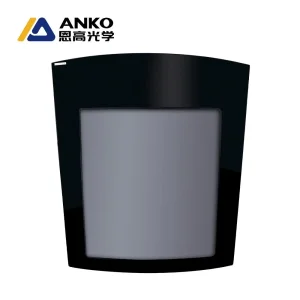
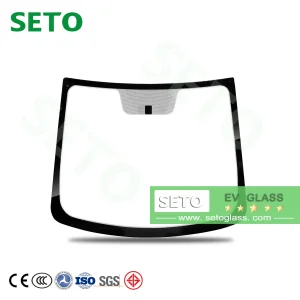
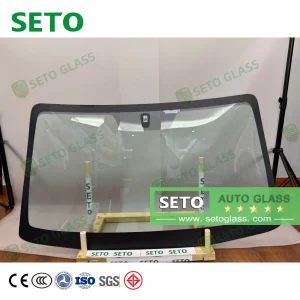
Shandong AGS Glass Co., Ltd is a premier, highly-specialized automotive glass manufacturer and global exporter. We specialize in the research, development, and high-precision production of advanced vehicle glazing configurations, including laminated glass, tempered glass, framed glass assemblies, bus glass, tungsten-heated glass, and engineering vehicle cabin glazing.
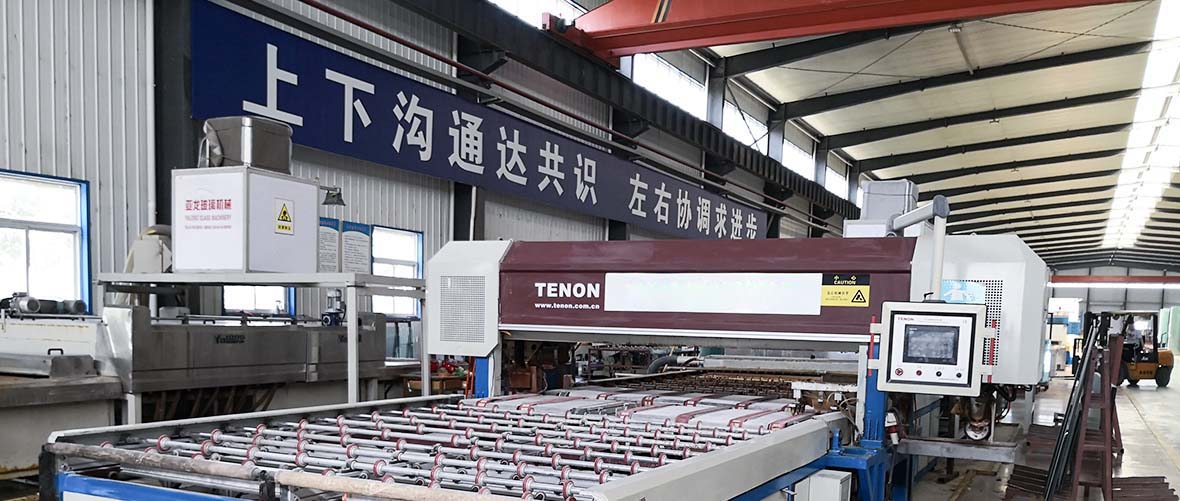
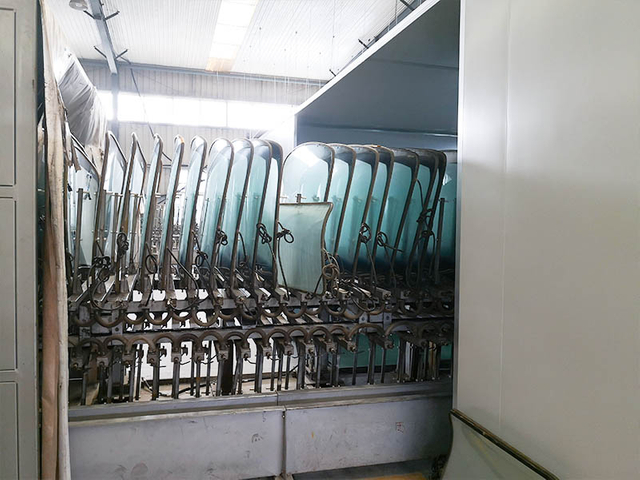
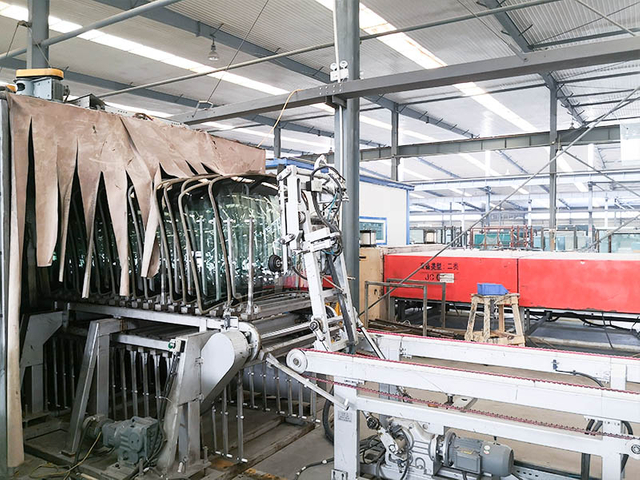
Our state-of-the-art facility features automated tempering furnaces, automated laminating cleanrooms, and screen-printing lines capable of handling tight dimensional tolerances required by modern ADAS (Advanced Driver Assistance Systems) cameras and sensors. Our processes are fully aligned with ISO/TS-16949 and ISO-9001 quality management frameworks—the highest international standards for the automotive parts industry.
Advanced raw material integration, thermodynamic process control, and logistics efficiency at our Shandong manufacturing hub.
The core advantage of purchasing directly from a specialized Chinese manufacturer like Shandong AGS Glass Co., Ltd lies in the structural integration of the local industrial cluster. Shandong is home to some of the world's most advanced chemical processing, silica purification, and glass production complexes. This proximity allows us to secure float glass substrates of pristine optical clarity, with near-zero microscopic inclusions, at a highly competitive cost basis.
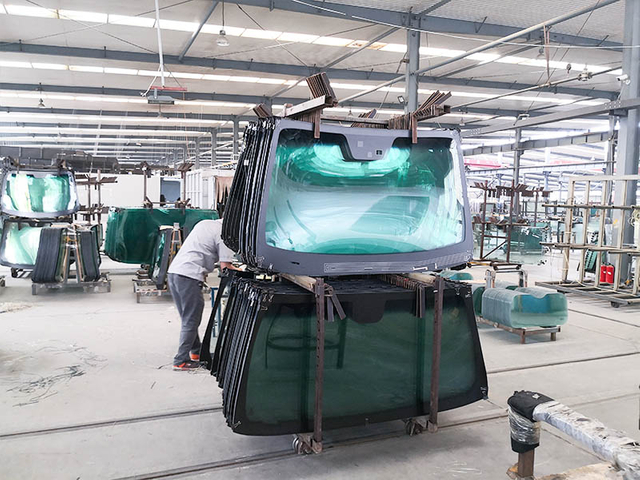
Our plant incorporates automated CNC cutting, double-sided edging, and automated washing lines that feed directly into our cleanrooms. This highly automated, continuous-flow process minimizes manual handling, thereby eliminating surface contamination and micro-scratches. Consequently, our laminates achieve a high yield, allowing us to support small-to-medium customized production runs with rapid tooling turnover and minimal overhead costs.
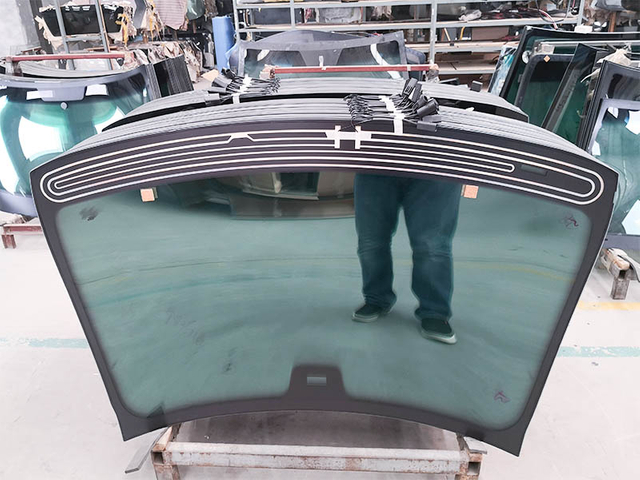
Custom glass formulations engineered for demanding environments, commercial platforms, and specialized performance specifications.
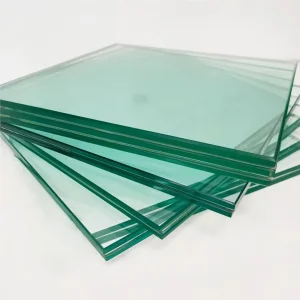
Thin-laminated acoustic glass with integrated IR-reflective PVB interlayers. Decreases total glass weight by 22% while improving thermal insulation (lowering air conditioning load) to extend EV range.
Utilizing high-performance siloxane hard coatings for superior anti-scratch and UV protection. Replaces heavy sunroofs and rear side quarters in performance-focused platforms.
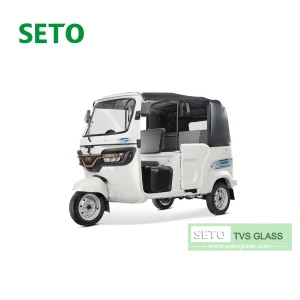
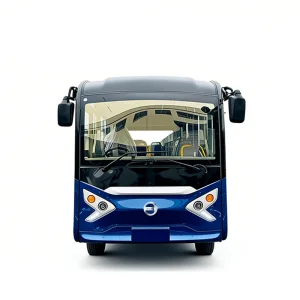
Tailored configurations for agricultural machinery, city buses, and cargo container systems. Engineered to withstand high vibrations, severe impacts, and prolonged UV exposure.
To assist global procurement directors and structural engineers in evaluating mass reduction and safety trade-offs, we provide a comparison of key material indices:
| Glazing Composition | Thickness Configuration | Areal Weight (kg/m²) | Impact Resistance (ECE R43) | Acoustic Transmission (Rw) |
|---|---|---|---|---|
| Standard Laminated Glass | 2.1mm Glass + 0.76mm PVB + 2.1mm Glass | ~11.0 kg/m² | Baseline Pass | 34 dB |
| Thin Laminated Glass (Acoustic) | 1.6mm Glass + 0.76mm Acoustic PVB + 1.6mm Glass | ~8.4 kg/m² (23.6% Saved) | Pass | 34 dB (Equivalent) |
| Monolithic Tempered (Body Glass) | 3.85mm Float Glass | ~9.6 kg/m² | Baseline Pass | 30 dB |
| Ultra-Thin Tempered Glass | 2.85mm Chemically Toughened | ~7.1 kg/m² (26.0% Saved) | Superior (Flexural Limit) | 28 dB |
Automotive buyers sourcing lightweight components face multifaceted challenges. Selecting an offshore supplier is no longer just about per-unit manufacturing cost; it involves evaluating shipping risk, tooling investment cycles, compliance verification, and tariff structures. The key to mitigating global supply chain risk is working with an exporter who offers turn-key engineering solutions:
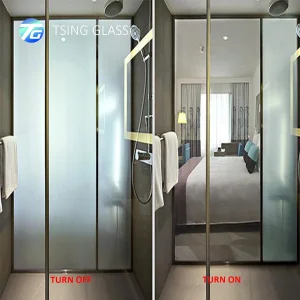
From anti-scratch polycarbonate panels and bulletproof shielding to smart liquid crystal switchable films.
In-depth responses to mechanical, thermal, and regulatory queries from automotive engineers and procurement leads.
 AGS Glass