Explore our foundational automotive glass, heavy structural glazings, and specialized sealants engineered to exceed regulatory limits and extreme environment performance thresholds.
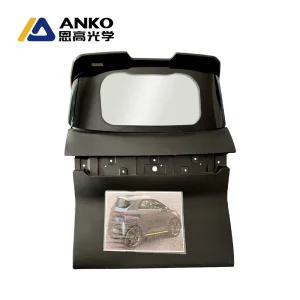
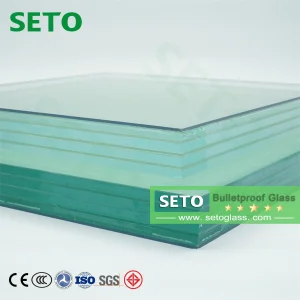
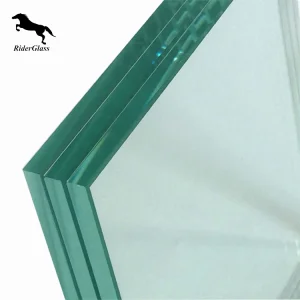
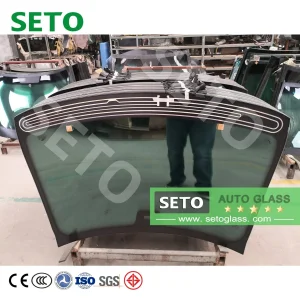
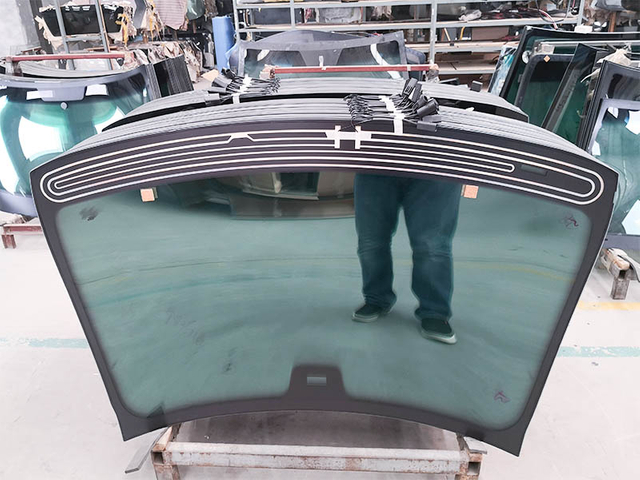
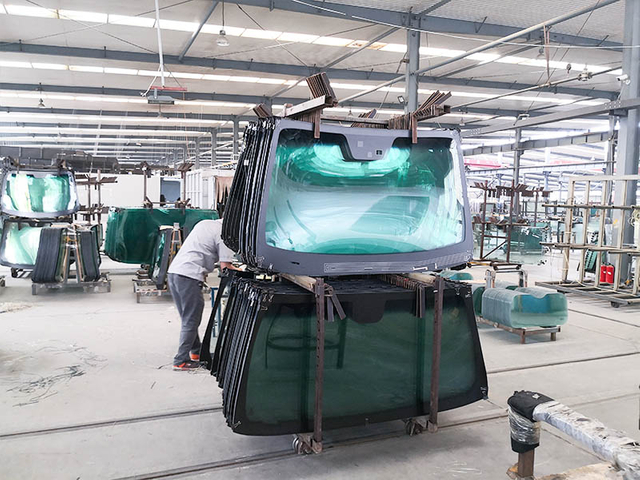
Shandong AGS Glass Co., Ltd. stands at the forefront of advanced automotive and industrial safety glass fabrication. Underpinned by decades of material sciences research and development, we specialize in high-durability automotive and specialty glass substrates. Our comprehensive array encompasses custom laminated glass, high-compressive-strength tempered systems, framed modules, heavy-duty bus glazing, high-efficiency tungsten heated systems, insulated electric vehicle applications, and ultra-durable agricultural/construction vehicle panels.
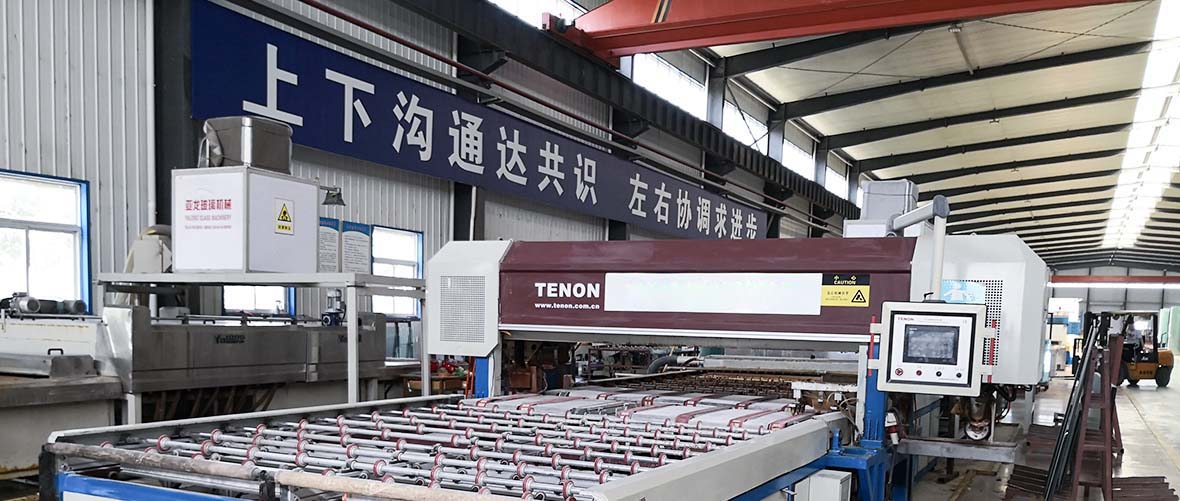
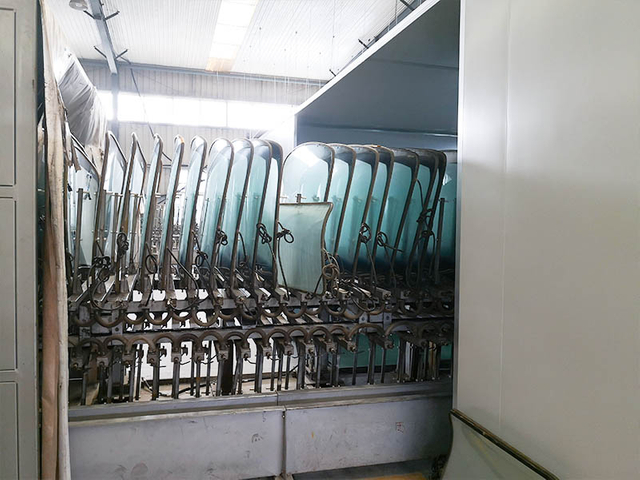
Spread across an advanced manufacturing footprint of 30,000 square meters, our facilities deploy next-generation thermal-bending furnaces, chemical salt baths, and automatic laser cutting matrices. Guided by a powerhouse of 100+ personnel including 12 senior material and process engineers, AGS Glass balances mass production efficiency with custom bespoke prototyping.
We are fully certified for export to demanding global spaces: maintaining certifications verified by China CCC, Europe E-mark, and USA DOT. In 2015, we formally attained the highly coveted ISO/TS-16949 and ISO-9001 quality management standards, signaling our capability to fulfill stringent Tier-1 automotive and global OEM contracts.
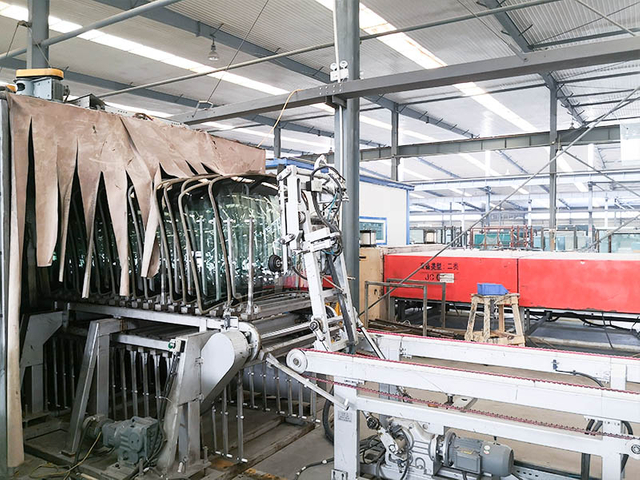
Why Chemically Strengthened Glass is replacing traditional thermal glass across mission-critical sectors.
Traditional thermally tempered glass requires a minimum thickness of 3.0mm to generate high compressive stress. In contrast, chemical strengthening achieves massive compressive stress in glass substrates down to 0.1mm. This unlocks lightweighting vectors for aerodynamic and fuel efficiency programs in EV and hybrid configurations without losing strength.
Thermal glass undergoes rapid air-cooling, introducing localized optical waves, micro-deformations, and birefringence. The chemical strengthening process utilizes uniform ion exchange in an isothermal molten salt bath, ensuring perfectly flat optical clarity. This is essential for advanced ADAS sensor integration and head-up display (HUD) windshields.
Through replacing Sodium (Na+) ions with larger Potassium (K+) ions, the surface is locked in a tight state of high compression. This chemical skin yields excellent resistance to scratch propagation, localized fatigue, and high-velocity projectile damage, proving key for specialized automotive, mining, and military windows.
Key drivers changing the global supply and demand of advanced glass formulations.
Automobile interiors are shifting toward pillar-to-pillar infotainment screens and curved interactive surfaces. The consolidation of multiple displays behind a single cover plate demands ultra-strong, chemically treated, complex 3D-formed glass. It protects occupants during impacts and maintains high touch-sensitivity and anti-glare characteristics.
Autonomous vehicles rely on LiDAR, radar, and HD optical cameras mounted on the vehicle exterior. Normal glass quickly degrades due to sandblasting and road debris. High Depth-of-Layer (DoL) chemically strengthened glass keeps sensors protected and optically clear, preventing signal degradation in all driving conditions.
Regulatory frameworks such as ECE R43 (Europe), ANSI Z26.1 (USA), and CCC (China) are demanding higher safety factors for glazing. Global exporters must supply glass that meets these structural standards. Chemically reinforced sheets provide the necessary safety margins in lighter, thinner configurations.
Inside the chemistry and physical properties defining the next decade of structural glass design.
Advancing past single-bath systems, we use dual-stage systems with varying purity levels of Potassium Nitrate (KNO3) bath formulations. The primary bath establishes a deep Depth of Layer (DoL), and the secondary bath creates high surface Compressive Stress (CS). This method delivers strong drop performance and resistance to deep scratches.
Laminating ultra-thin chemically strengthened glass facesheets (0.5mm to 1.1mm) with polycarbonates and acoustic PVB interlayers. This design produces lightweight composite barriers that reduce windshield weight by 35% while providing bulletproof and anti-intrusion capabilities.
Integrating chemical strengthening directly with conductive sputtered films like Indium Tin Oxide (ITO). This technology supports fast heating, anti-fogging, and automated solar tinting control directly inside the glass composition, without the use of micro-wires.
Tailored structural glass solutions configured to meet the demands of challenging sectors.
Providing high-precision side-glazings and sunroofs using custom-curved chemically strengthened profiles. These solutions help automakers lower vehicle weights, lower their center of gravity, and extend the range of battery-electric vehicles.
Heavy mining loaders, agricultural harvesters, and construction bulldozers require reliable cabin operator safety. Our shock-resistant and debris-proof chemically tempered window units keep operations running in dusty, vibratory, and high-impact conditions.
Providing multi-ply security laminates that combine chemically strengthened glass plies with tough polymer sheets. These setups provide high multi-hit ballistic resistance for executive transport, VIP vehicles, and secure facilities.
A technical guide detailing mechanical limits, specifications, and manufacturing considerations.
Chemical strengthening uses an ion-exchange process. Glass substrates are submerged in a molten potassium nitrate (KNO3) bath at temperatures above 400°C (752°F). During this submersion, smaller sodium ions (Na+) leave the glass surface, and larger potassium ions (K+) from the salt bath take their place. Once cooled, these larger ions create a high-compression layer on the glass surface. This compressive stress layer resists crack propagation and increases the glass's overall mechanical strength.
Compressive Stress (CS) measures the force holding the glass surface together, typically measured in Megapascals (MPa). Higher CS values yield greater resistance to direct impacts and flexing. Depth of Layer (DoL) indicates how deep the potassium ions have penetrated into the glass body, measured in micrometers (µm). A deeper DoL ensures the glass maintains its strength even if it sustains surface scratches or minor abrasions.
No. Any mechanical processing, such as cutting, drilling, or beveling, must occur before the chemical strengthening process. Cutting into the glass after ion exchange cuts through the surface compression layer and enters the interior tension zone, which will release the stress and break the glass.
Thermal tempering cools glass rapidly using air jets, creating stress patterns that limit its minimum thickness to about 3mm. Chemically strengthened glass relies on chemical ion replacement, which allows treatment of very thin substrates (down to 0.1mm) without causing optical distortion or physical warping. This makes it an ideal option for thin, clear automotive windows and precise display screens.
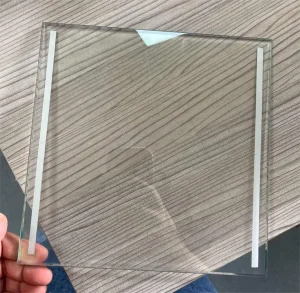
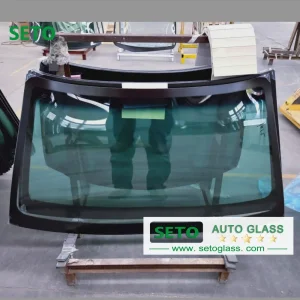
Browse our selection of specialized high-temperature panels, structural glazing products, and vehicle windshields.

 AGS Glass