The automotive and industrial sector is undergoing a profound paradigm shift. Modern mobility is no longer just about horsepower and fuel economy; it is increasingly defined by occupant safety, acoustic comfort, digital connectivity, and visibility parameters. In this new ecosystem, the role of the windshield has evolved from a passive wind barrier to a critical optical and structural interface.
Clear vision windshields represent a combination of advanced optical engineering and materials science. According to international automotive engineering standards, a high-performance windshield must maintain light transmittance levels above 70% while mitigating solar radiation, dampening exterior noise, and hosting sophisticated Advanced Driver Assistance Systems (ADAS). High-precision cameras and LiDAR sensors require distortion-free glazing to detect road markings, signs, and pedestrians. This industrial demand has driven leading Chinese manufacturers, such as Shandong AGS Glass Co., Ltd., to innovate and manufacture specialized glass solutions that address local climatic profiles and structural expectations globally.
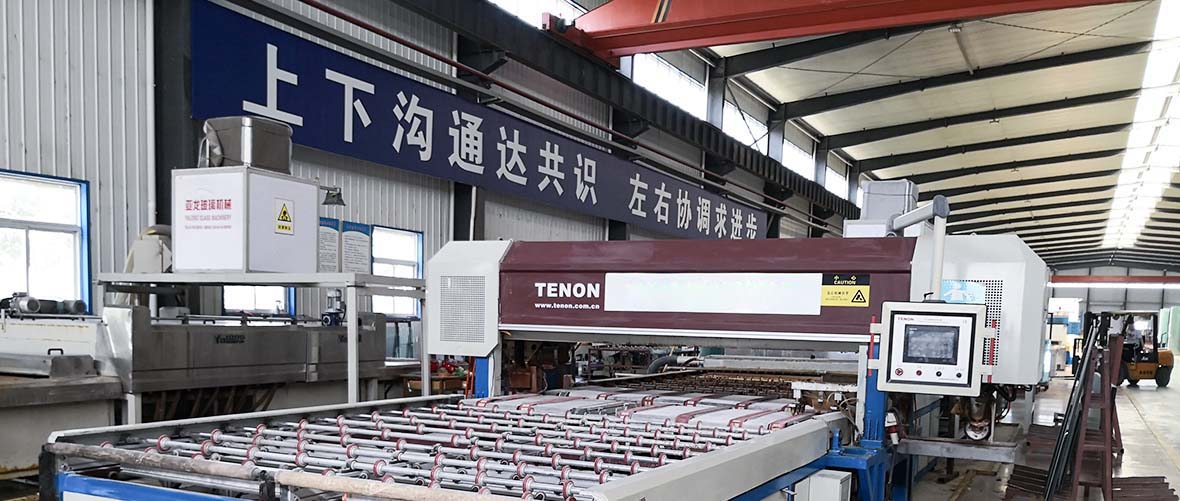
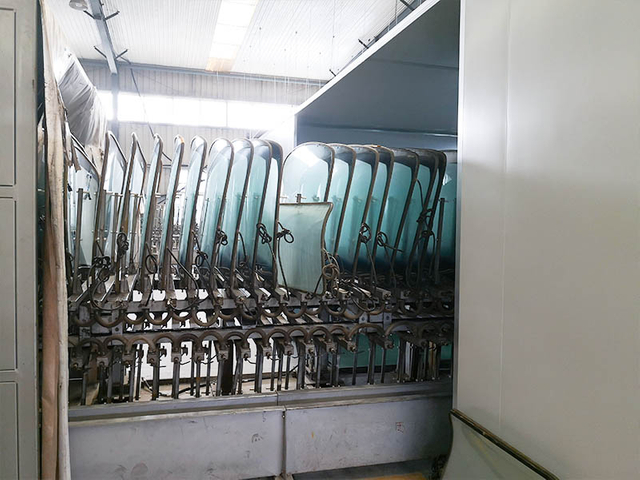
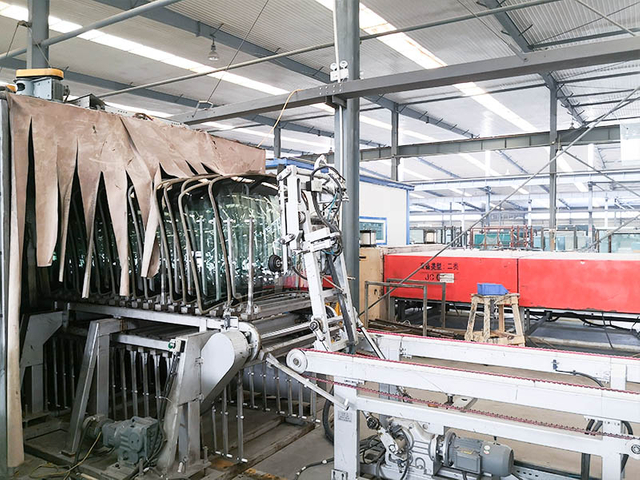
Shandong AGS Glass Co., Ltd. operates a highly advanced facility spanning over 30,000 square meters. Our technical operations, led by a dedicated core of 12 senior and intermediate engineers, focus on eliminating visual distortions and refining safety characteristics. Utilizing automated cutting, CNC edge-grinding, and high-precision bending ovens, our windshield products present consistent geometry that seamlessly integrates with vehicle chassis.
Every product manufactured complies with strict global regulatory frameworks, securing certifications including the China CCC, European E-mark, and the USA DOT. This solidifies our reputation as a trusted Tier-1 supplier for automotive distributors, replacement service networks, and industrial vehicle OEMs.
To maintain competitiveness in the global import-export market, manufacturers must look ahead. Four main trends are reshaping the development pathways of automotive glass:
In 2015, Shandong AGS Glass Co., Ltd. achieved the prestigious ISO/TS-16949 (now recognized under IATF 16949) alongside ISO-9001. This is the highest international quality management system standard in the automotive supply chain, ensuring that every batch of laminated and tempered glass exhibits zero manufacturing defects and maintains strict traceability.
Understanding the differentiation between laminated glass (used primarily for front windscreens) and tempered glass (ideal for side windows, sunroofs, and agricultural machine cabins) is vital for industrial procurement teams. Below is an engineering comparison detailing the physical performance properties:
| Performance Metric | High-Performance Laminated Windshield | Toughened/Tempered Safety Glass |
|---|---|---|
| Primary Application | Front windscreen, high-security glazing panels | Side windows, rear glass, sunroofs, excavator cabins |
| Breakage Pattern | Remains adhered to PVB interlayer; prevents glass intrusion | Crumbles into small, blunt-edged fragments (granules) |
| Acoustic Damping | Excellent (attenuates sound waves through PVB layer) | Standard (reflective, minimal vibration damping) |
| Solar Energy Heat Control | Up to 65% UV & IR blocking (with treated interlayers) | Mainly reliant on surface tinting and material composition |
| Mechanical Strength | High elastic resistance to high-velocity stone impacts | 4-5 times stronger resistance to direct surface impacts than float glass |
| ADAS Compatibility | Optimized for camera reflection and LiDAR distortion limits | Not generally used for camera sensor portals due to tempering stress lines |
The operating environment of a vehicle dictates the necessary glass formulation. By adopting a user-intent-focused approach, AGS Glass customizes its structural output to meet diverse industrial scenarios:
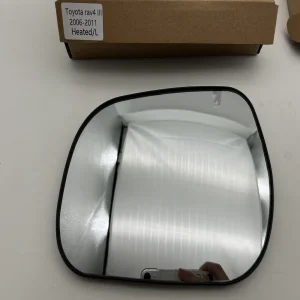
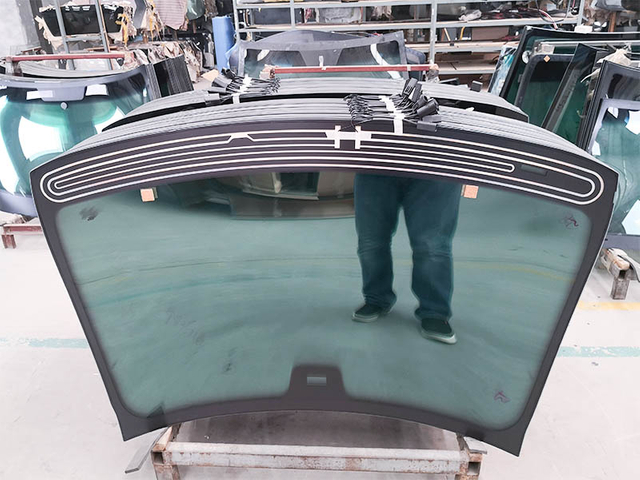
In sub-zero temperatures, standard windshields suffer from rapid ice formation and condensation. The integration of tungsten heated safety glass ensures clear vision. The embedded tungsten micro-wires, measuring only 0.02 mm in diameter, are virtually invisible to the eye but rapidly melt ice to restore visibility. This is highly valued by logistics fleets operating commercial trucks, ensuring schedule adherence and driver safety.
For mining excavators, heavy loaders, and cranes, structural integrity is paramount. Cabin glass in these sectors must withstand vibrations, pressure changes, and falling debris. High-impact tempered safety glass designed by AGS provides reliable protection, ensuring operators maintain a clear view of dangerous job sites without compromising cabin safety.
Public transport and long-distance coaches require expansive panoramic front windscreens. This demands exceptional dimensional stability. Our specialized wholesale sound-proof, heat-proof laminated coach glass minimizes cabin noise and fatigue for drivers over long shifts, while reducing air conditioning loads through solar control.
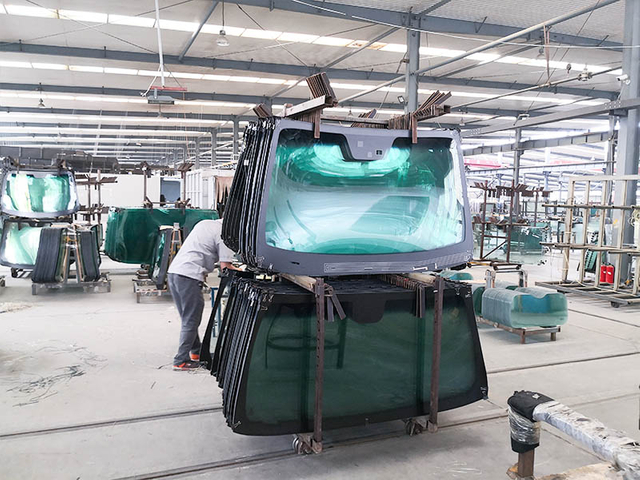
Our facility employs a rigorous manufacturing workflow that minimizes defects and guarantees high optical quality:
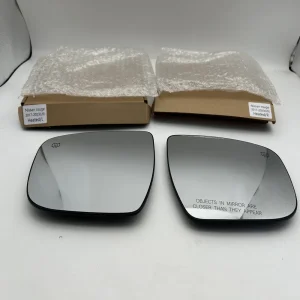
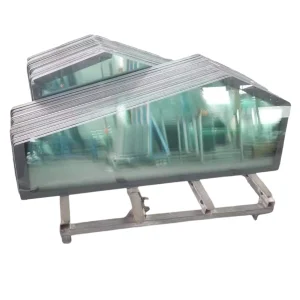
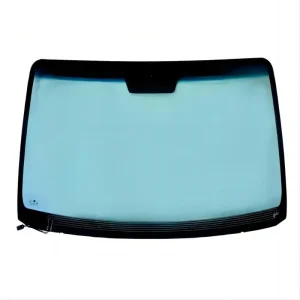
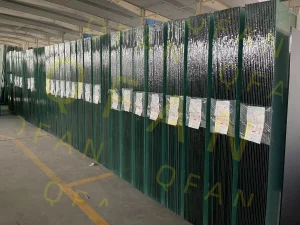
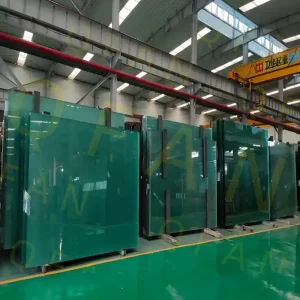
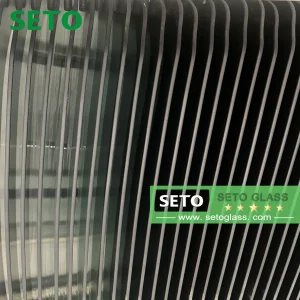
The following images display our manufacturing facility and quality assurance focus:
As driverless technologies and advanced Head-Up Displays (HUD) become more common, windshields will need to provide even higher precision. AGS Glass is continuously researching the integration of:
 AGS Glass