The automotive industry is undergoing a transformative shift towards sustainability and energy efficiency. One crucial aspect of this evolution is the enhancement of energy-saving performance of heat-insulated auto glass. This technology plays a pivotal role in reducing energy consumption in vehicles, contributing to lower emissions and increased fuel efficiency. As consumers become more environmentally conscious, automakers are tasked with incorporating innovative glass solutions into their designs.
By optimizing the heat-insulated properties of auto glass, manufacturers can improve passenger comfort while minimizing reliance on air conditioning systems. This approach not only conserves energy but also enhances overall vehicle efficiency. Several strategies exist to advance energy-saving initiatives. These include employing advanced coatings, enhancing thermal insulation, and using lightweight materials. Each strategy presents unique benefits but also has challenges that require careful consideration.
Addressing these complexities is essential for developing effective solutions. Ultimately, the goal is to create auto glass that not only meets regulatory standards but also exceeds consumer expectations for sustainability and performance. As the industry progresses, it's vital to continue exploring innovative methods to enhance energy-saving performance of heat-insulated auto glass.
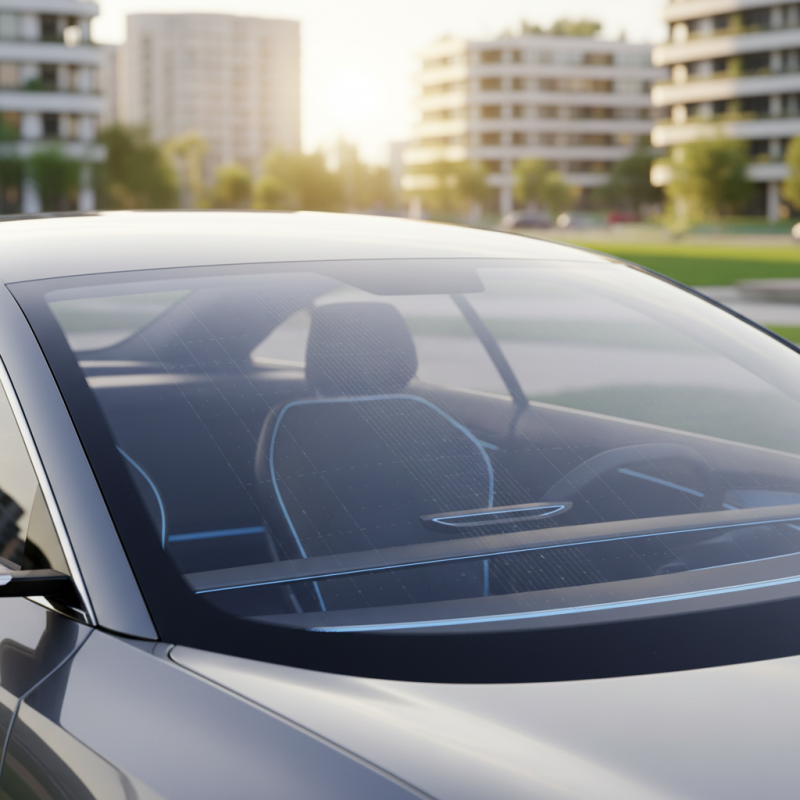
Understanding the Importance of Energy Saving in Auto Glass
Energy saving in auto glass is crucial for many reasons. It directly impacts vehicle efficiency and environmental sustainability. Cars with energy-efficient glass help reduce fuel consumption. This translates to fewer emissions, contributing to cleaner air. It also lowers energy costs for drivers, making sustainability financially beneficial.
Advancements in glazing technologies, such as low-emissivity coatings, enhance insulation. These coatings minimize heat transfer, keeping vehicles cooler in summer and warmer in winter. However, some vehicle manufacturers struggle to incorporate these technologies effectively. There can be challenges in balancing cost and performance. Awareness about these solutions is often lacking among consumers.
Understanding these technical aspects is vital. Educating drivers on the benefits of energy-saving auto glass can drive demand. This, in turn, encourages manufacturers to innovate further. Ensuring that energy efficiency becomes a standard feature is not an overnight journey. It requires patience and effort from both consumers and industry players.
Innovative Technologies for Energy-Efficient Auto Glass Design
Innovative technologies in auto glass design play a crucial role in enhancing energy efficiency. One significant advancement is the development of smart glass systems. These systems can automatically adjust their tint based on sunlight intensity. This not only reduces heat buildup but also lowers the need for air conditioning within the vehicle. Such technology contributes to better energy savings, though it can be costly to implement at scale.
Another noteworthy innovation is the use of low-emissivity (Low-E) coatings. These coatings minimize the amount of infrared and ultraviolet light that enters the vehicle. By reflecting heat, Low-E glass can significantly improve insulation. However, the application process can be complex and sometimes results in reduced visibility. This aspect needs further refinement for widespread acceptance.
Additionally, integrating photovoltaic materials into auto glass presents exciting possibilities. Solar energy can power vehicle systems, reducing reliance on traditional energy sources. While this innovation is promising, it raises questions about durability and efficiency. Striking a balance between functionality and aesthetics is another challenge for designers. Overall, the pursuit of energy-efficient auto glass continues to evolve, inviting continuous reflection and improvement.
China Top 10 Ways to Enhance Energy Saving in Auto Glass
| Method |
Description |
Potential Energy Savings (%) |
Innovative Technology |
| Low-E Coatings |
Coatings that reflect infrared light and reduce heat transfer. |
20 |
Spectrally Selective Coatings |
| Tinted Glass |
Glass treated to reduce sunlight and heat influx. |
15 |
Dye-Based Tinting |
| Thermal Insulation |
Use of materials that impede heat transfer. |
25 |
Aerogel Infused Films |
| Smart Glass |
Glass that can change transparency in response to temperature. |
30 |
Electrochromic Technology |
| Aerodynamic Design |
Shapes that reduce air resistance, enhancing fuel efficiency. |
10 |
Computer-Aided Design |
| Recyclable Materials |
Using materials that can be reused, reducing energy in production. |
5 |
Sustainable Glass Technologies |
| UV Protection |
Filters that prevent UV radiation without compromising visibility. |
8 |
UV-Blocking Films |
| Dynamic Tinting |
Glass that adjusts its tint based on sunlight exposure. |
18 |
Photochromic Technology |
| Energy-Efficient Manufacturing |
Processes that minimize energy use during glass production. |
12 |
Cold-Forming Techniques |
| Life Cycle Assessment |
Evaluating the overall environmental impact of glass products. |
Varies |
Software Analytic Tools |
Integration of Smart Glass Solutions in Vehicles
Smart glass technology is transforming the automotive industry. By integrating advanced glazing solutions, vehicles can significantly enhance energy efficiency. Smart glass, such as electrochromic and photochromic types, can regulate heat and light. This helps maintain a comfortable interior temperature, reducing reliance on air conditioning systems.
Tips: Consider using dynamic tinting glass. This option adjusts to changing light conditions. It can reduce glare and improve visibility, enhancing safety.
Another effective strategy is to incorporate insulated glass units. These units have multiple layers that can reduce heat transfer. This keeps vehicles cooler in the summer and warmer in winter, saving energy year-round.
While smart glass solutions are promising, challenges remain. The initial cost can be high, and durability needs careful evaluation. Not all smart glass products perform equally. Ensuring reliable suppliers is essential for long-term benefits.
Top 10 Ways to Enhance Energy Saving in Auto Glass
Impact of Coatings and Tints on Energy Efficiency in Auto Glass
When it comes to enhancing energy efficiency in auto glass, coatings and tints play a crucial role. Recent studies indicate that applying specialized coatings can reduce solar heat gain by up to 50%. This translates to less energy consumption for air conditioning, making vehicles more eco-friendly and cost-effective.
Choosing the right tint is equally important. Quality tints can block UV rays and reduce glare, which enhances comfort while minimizing the need for artificial lighting. Importantly, some tints can reflect as much as 90% of solar energy, significantly lowering the interior temperature of vehicles. This means that drivers can rely less on air conditioning systems.
Tips for improving energy efficiency include checking for high-performance coatings and considering professional installation of window tints. Regular maintenance is vital; keeping glass clean ensures the coatings remain effective. An awareness of local regulations regarding tint darkness is important, as non-compliance can lead to fines. While innovations are promising, it’s essential to remain critical of product claims and seek verified data from industry reports before making a purchase.
Best Practices for Automakers to Implement Energy Saving Features
Automakers are increasingly focused on energy efficiency, especially in the realm of auto glass. One effective approach is to utilize advanced glazing techniques. For instance, using laminated glass can improve insulation, reducing the need for climate control inside the vehicle. This method minimizes energy consumption during driving.
Another vital area is the application of coatings. Low-emissivity coatings can reflect infrared radiation, keeping interiors cooler in summer. Implementing these coatings not only enhances comfort but also cuts down on air conditioning usage. Manufacturers should consider integrating smart glass technology, which adjusts transparency based on lighting conditions. This innovation can significantly save energy, but it requires careful consideration of its cost-effectiveness in production.
Energy-efficient features must be integrated throughout the design process. Automakers often overlook the potential of window designs and seals. Ensuring a tight fit can minimize air leaks, further enhancing energy savings. However, balancing aesthetics and functionality remains a challenge. It's crucial for manufacturers to remain open-minded about these trade-offs and strive for continuous improvement in energy conservation methods.
Conclusion
The article "China Top 10 Ways to Enhance Energy Saving in Auto Glass" emphasizes the critical role of energy conservation in automotive glass design. It highlights innovative technologies that can improve the energy-saving performance of heat-insulated auto glass, such as advanced thermal insulation materials and design strategies. The integration of smart glass solutions offers promising advancements, allowing for responsive changes based on environmental conditions, which can further enhance energy efficiency.
Additionally, the impact of various coatings and tints on energy efficiency is discussed, showcasing how these elements can reduce heat transfer and improve overall performance. Best practices for automakers are also outlined, focusing on the implementation of energy-saving features in vehicle design. By adopting these strategies, the automotive industry can significantly enhance energy-saving performance of heat-insulated auto glass, contributing to a more sustainable future.

 AGS Glass