When it comes to driving, clear visibility is crucial. Foggy or frosted windows can create dangerous situations. This is why it's essential to improve defrosting and defogging efficiency for vehicle glass. Many drivers struggle with ineffective methods, leading to frustration and wasted time.
Imagine starting your morning commute, only to find your windshield covered in frost. Scraping the ice can feel endless. It’s easy to overlook the importance of proper techniques in maintaining visibility. You might think a quick blast of heat will do the trick, but this isn’t always the best approach.
Efficiency matters, especially in winter months. Sometimes, drivers fail to consider factors like humidity and airflow. This oversight can diminish their efforts and leave them stuck. Knowing how to effectively manage these elements can make a significant difference. This guide offers practical tips to enhance your defrosting and defogging strategy, ensuring your journeys are safer and more efficient.
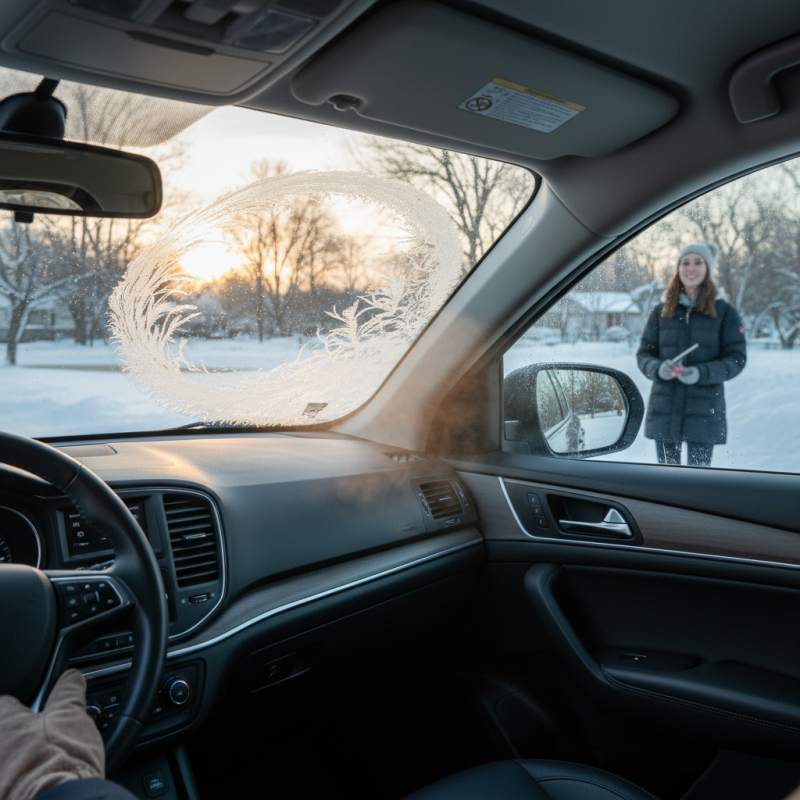
Defrosting and defogging glass is crucial for safe driving. According to the National Highway Traffic Safety Administration, nearly 30% of winter car accidents are due to poor visibility caused by fogged windows. When drivers don’t clear their windshields properly, they endanger themselves and others. This highlights the imperative for effective glass defrosting and defogging practices.
Many drivers underestimate the significance of maintaining clear windows. Improper techniques can prolong the defrosting process and waste time. For example, using too much cold air can lead to more fog developing on the inside of the glass. A study by the Society of Automotive Engineers indicates that optimal defogging can reduce reaction times in critical situations by up to 20%. This illustrates that every second counts on the road.
There are simple yet effective methods to enhance defrosting efficiency. Ensuring that the car’s cabin is clean reduces condensation. Additionally, using a windshield cover can prevent frost formation overnight. Awareness and proper techniques can drastically improve visibility, making a difference in driving safety. However, many drivers still ignore these tips. Simple steps can lead to significant improvements in safety and efficiency.
Frost and fog on vehicle windows can obscure vision and lead to dangerous driving conditions. The primary cause of frost is the temperature drop at night. When moist air collides with cold glass, ice forms. This is especially common in winter months. Fog, on the other hand, often appears when warm air meets cool glass. This happens inside the vehicle, usually when passengers breathe or when there’s humidity from wet clothes.
Inadequate air circulation can worsen these problems. If your vehicle’s heater or defroster isn’t working effectively, it can lead to persistent fog. Dirty windows also attract moisture and contribute to fog formation. Regular cleaning can help prevent this issue. Humidity control is essential; using air conditioning even in winter helps keep the air dry. Yet, many forget to address this until visibility becomes a problem, leaving them scrambling for solutions.
Defrosting and defogging vehicle glass can be a frustrating experience. However, there are effective techniques to achieve rapid results. Start by turning on the vehicle’s heating system. Focus the air toward the windshield. Warm air can help melt ice and reduce fog buildup. Consider cracking the window slightly. This allows humid air to escape. It can significantly enhance visibility.
Using a scraper can be helpful, but be gentle. Prolonged scraping might damage the glass. Another method involves a mixture of vinegar and water. This can be sprayed on icy windows the night before. It could help in preventing frost buildup. Remember to clear the snow from the car roof as well. It prevents it from falling onto the windshield while driving.
Reflecting on past experiences, many forget to keep an eye on the weather. Ignoring the conditions can lead to surprises in the morning. Also, always have a reliable cloth or towel handy. A clean cloth can assist in quickly wiping away condensation. Small details matter when ensuring safety on the road. Implementing these techniques can make a drive more pleasant.
Foggy windows can impair visibility and pose safety risks. Utilizing climate control systems effectively can help defog your vehicle's glass. Adjust your temperature settings wisely. Warm air can help evaporate the moisture collecting on glass surfaces. Aim for a comfortable climate inside the car. This may require experimenting with different temperature levels.
Using the air conditioning system can also play a significant role. It helps dehumidify the air within the cabin. A common mistake is to neglect this feature, thinking heat alone will suffice. Activate the AC with the heat setting for a balanced approach. Direct airflow toward the windows for maximum efficiency.
Regular maintenance of your climate control system is essential. Ensure that your air filters are clean. Clogged filters can limit airflow and reduce effectiveness. It’s easy to overlook small details, but they matter greatly. Checking your system's functionality can save you from unexpected foggy situations. Minor adjustments can result in a clearer view and safer driving conditions.
| Tip | Description | Effectiveness (%) |
|---|---|---|
| Use Air Conditioning | Activate the A/C to reduce humidity inside the vehicle. | 85% |
| Ventilation Settings | Set airflow to the windshield for direct defogging. | 90% |
| Warm Air | Use warm air to clear fog faster than cool air. | 80% |
| Clear Windows | Remove dirt and debris from glass for better visibility. | 70% |
| Defogging Products | Apply anti-fog sprays or solutions on interior glass surfaces. | 75% |
| Temperature Management | Gradually adjust climate settings for comfort without fog. | 65% |
| Use Windshield Wipers | Activate wipers to clear condensation on the outside. | 78% |
| Check Cabin Filters | Ensure cabin filters are clean to improve airflow. | 60% |
| Regular System Maintenance | Have your climate control system checked regularly. | 85% |
| Stay Prepared | Keep tools and products on hand for unexpected weather. | 50% |
When defrosting and defogging your vehicle, safety is paramount. According to the AAA, nearly 1 in 3 drivers have trouble seeing out of their windshield due to condensation or frost. This can lead to dangerous driving conditions. Clear visibility is essential for reacting to hazards on the road.
One effective tip is to use your vehicle’s air conditioning system while heating the cabin. This helps reduce humidity inside the vehicle, preventing fog from forming on your windows. Another strategy is to ensure your windshield wipers are in good condition. Wipers affect visibility, especially when rain and fog combine. Regular maintenance can make a big difference in safety.
Remember to clear any snow or ice from your headlights and taillights. Keeping lights clear enhances visibility for both you and other drivers. Lastly, always carry an ice scraper in your vehicle. Even experienced drivers can underestimate the need for one. Losing valuable time trying to scrape off frost can be hazardous. Adjusting your routine can greatly improve your defrosting efficiency and, more importantly, your safety on the road.
: Frost forms when moist air hits cold glass. This is common at night in winter.
Fog forms when warm air, like breath, meets cool glass. Humid clothes can also contribute.
If the heater or defroster fails, fog may persist. Dirty windows can also trap moisture.
Turn on the heater and direct air at the windshield. Cracking a window can help too.
Yes, but be gentle. Scraping too hard can damage the glass.
A vinegar and water mixture can be sprayed on windows the night before to reduce frost.
Using air conditioning, even in winter, keeps air dry and helps prevent fog formation.
Regularly check air filters and system functionality to ensure adequate airflow and efficiency.
Yes, snow can fall onto the windshield while driving, causing dangerous visibility issues.
Keep a clean cloth handy for condensation and regularly monitor weather conditions for surprises.
Defrosting and defogging vehicle glass is crucial for maintaining visibility and ensuring safe driving conditions, especially in colder months. To improve defrosting and defogging efficiency for vehicle glass, it is essential to understand the common causes of frost and fog on windows, such as temperature changes and humidity levels. Effective techniques, including using the vehicle's climate control systems, can expedite the defrosting process.
Employing these strategies not only enhances the speed at which windows clear up but also promotes safer driving by improving visibility. Additionally, it is important to consider safety measures while handling this process, ensuring that driver distraction is minimized. By adopting these tips, drivers can significantly enhance their vehicle's glass clarity during adverse weather conditions.

AGS Glass