In the challenging realm of automotive maintenance, extending service life of automotive glass in harsh environments is crucial. According to Dr. Emily Carter, a leading expert in automotive materials, "Protecting glass is often overlooked, yet essential for safety." This statement highlights the need for proactive measures in safeguarding automotive glass.
Harsh environments, such as extreme temperatures and abrasive conditions, can significantly impact glass durability. Regular inspection and maintenance are vital. Simple actions like using appropriate cleaners and avoiding sudden temperature changes can make a difference. However, many drivers may not realize the importance of these practices until it’s too late.
Moreover, understanding local environmental conditions is essential. Some regions experience sandstorms, while others deal with heavy snowfall. Each scenario requires tailored strategies. Neglecting these factors can lead to cracked or shattered glass, impacting visibility and safety. As we explore tips to enhance the longevity of automotive glass, let’s consider both the practical and reflective aspects of maintaining this critical component.
Essential Maintenance Practices for Automotive Glass in Extreme Conditions
Maintaining automotive glass in extreme conditions is crucial for longevity. Extreme temperatures, dirt, and debris can significantly damage your vehicle's windows. Regular inspections are important; check for chips and cracks frequently. Even small issues can worsen, leading to expensive repairs. Use a microfiber cloth to clean your windows. This prevents scratches that can accumulate over time.
Using the right products for maintenance is essential. Avoid harsh chemicals that can cloud or damage glass surfaces. Choose pH-balanced cleaners instead. Consider applying a protective film to guard against UV rays and impacts. This can save you money in the long run.
Parking under shelter can shield your vehicle from sun and hail. A garage or carport is ideal, but even a shade can help. Regularly inspect the seals around windows, as they can degrade. This is often overlooked. Addressing these small issues leads to better visibility and safety on the road. A proactive approach is always better than a reactive one.
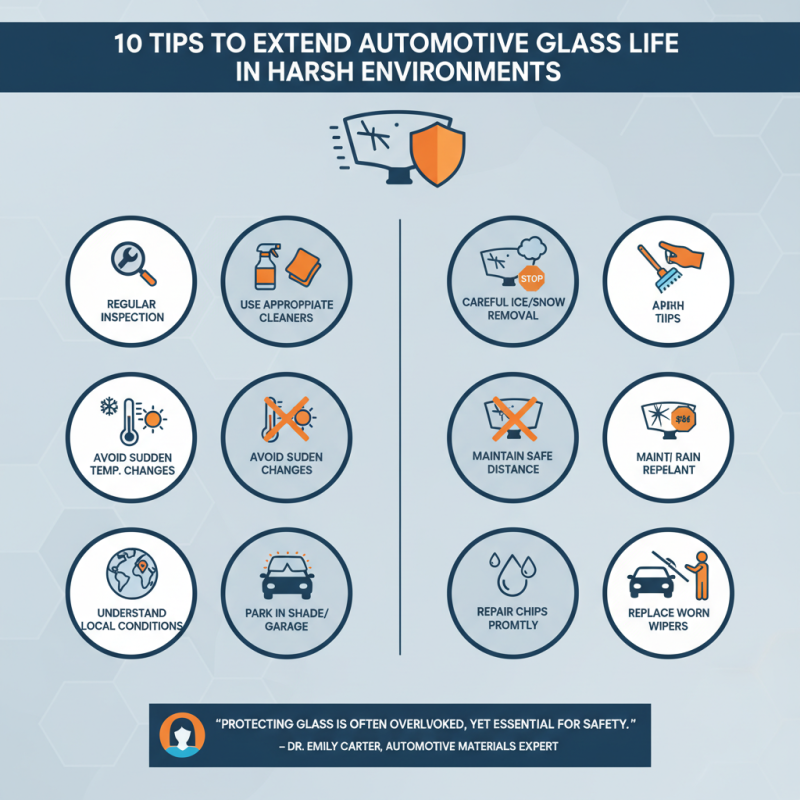
10 Tips to Extend Automotive Glass Life in Harsh Environments
This bar chart illustrates the effectiveness of various maintenance practices to extend the life of automotive glass in extreme conditions. The practices are evaluated based on their impact level, rated from 1 (low impact) to 10 (high impact).
Understanding the Impact of Environmental Factors on Automotive Glass Longevity
Automotive glass faces numerous environmental challenges. Extreme temperatures, UV rays, and road debris can speed up wear and tear. In harsh climates, glass may crack or deteriorate faster than expected. For instance, intense sunlight can weaken the glass structure. The repeated contraction and expansion from temperature changes worsen this condition.
Moreover, airborne particles and road salts can scratch and chip the glass. These minor damages may seem insignificant, but can lead to bigger issues over time. A small crack could spread, compromising safety. Regular maintenance is essential, yet many overlook it. Ignoring routine checks can be costly later.
Drivers should be aware of the impact their environment has on their vehicle's glass. Adapting driving habits can help. For example, parking in shaded areas may reduce sun exposure. Simple actions can extend the life of automotive glass. A proactive approach will pay off in the long run.
Best Protective Films and Coatings for Enhanced Glass Durability
In harsh environments, automotive glass faces numerous challenges. Dust, debris, and extreme weather can damage its integrity. Using protective films and coatings can greatly enhance glass durability. These solutions create a barrier against scratches, chemicals, and UV rays. A high-quality film can absorb impacts, reducing the risk of cracks.
Polymeric coatings also play a significant role. They offer a hydrophobic surface, which helps in water beading. This prevents water spots and improves visibility during rain. Moreover, such coatings may reduce the need for frequent replacements, which can save costs. However, not all options perform the same. It’s essential to research and choose products based on real user experiences.
While protective solutions are effective, they are not foolproof. Some films may yellow over time, impacting aesthetics. Additionally, improper application can lead to bubbling or peeling. Regular maintenance is necessary to ensure optimal performance. Always inspect for any signs of wear. This proactive approach can help extend the life of your automotive glass significantly.
Routine Inspection Techniques to Identify Early Signs of Damage
Routine inspection of automotive glass is crucial in harsh environments. It helps in identifying early signs of damage that could worsen over time. Look for chips or cracks during regular vehicle checks. Small issues can quickly escalate if ignored. A visual examination can reveal stress fractures caused by extreme temperatures or debris impact.
Pay attention to the sealant around the glass. Deterioration can lead to leaks and further damage. Regularly check the windshield wipers; worn wipers can scratch the glass. Additionally, inspect the interior for any signs of moisture. This could indicate a compromised seal.
Consider using a moisture meter for a more detailed analysis. These tools can detect hidden leaks. They are undersold but highly effective in preventative maintenance. Document any findings to track changes over time. Reflection on these details will improve your inspection technique. Emphasizing routine checks can prolong the lifespan of your automotive glass significantly.
Recommended Products for Cleaning and Maintaining Automotive Glass
When maintaining automotive glass in challenging environments, choosing the right products is crucial. Harsh weather conditions can lead to wear and tear, affecting visibility. Data from the Auto Glass Safety Council indicates that proper care can extend the life of your automotive glass by up to 50%. Regularly cleaning and using protective products helps prevent damage.
Using specialized cleaners can remove grime without scratching. Glass treatment products can provide a protective layer. They often contain silicone, which repels water and resists dirt buildup. Regular use increases clarity and reduces the need for frequent replacements.
Tip: Clean glass regularly to avoid buildup. This simple act can prevent long-term issues. Additionally, invest in a good quality microfiber cloth. It minimizes the risk of scratches during cleaning. Regular inspections for chips and cracks can save you money. Addressing minor issues early on can prevent them from becoming major problems.
FAQS
: Extreme conditions can lead to significant damage. Regular maintenance extends the glass's longevity.
Inspecting for chips and cracks regularly is crucial. Small issues can worsen quickly and cost more.
A microfiber cloth is best for cleaning. It reduces the risk of scratching the glass while cleaning.
Use pH-balanced cleaners. Avoid harsh chemicals that could damage or cloud the glass surfaces.
Yes, protective films create a barrier against scratches and UV rays. They enhance the glass's durability significantly.
Improper application can lead to bubbling or peeling. Regular inspections can help catch these issues early.
They provide a hydrophobic surface, improving visibility during rain. This reduces water spots and enhances clarity.
Yes, some films may yellow over time. Researching options based on user experiences is essential for quality.
Absolutely, regular cleaning prevents grime buildup. It helps maintain visibility and reduces the need for replacements.
Address minor issues immediately. Fixing them early can save you from costly repairs in the future.
Conclusion
To extend the service life of automotive glass in harsh environments, it's crucial to adopt essential maintenance practices tailored for extreme conditions. Understanding the various environmental factors, such as UV exposure, temperature fluctuations, and road debris, can help in implementing strategies that enhance durability. Utilizing the best protective films and coatings will shield glass surfaces from scratches and impacts, while routine inspections can identify early signs of damage, ensuring timely repairs and replacements.
Additionally, employing recommended cleaning products specifically designed for automotive glass maintenance will keep the surfaces clear and free from corrosive substances. By following these guidelines, vehicle owners can significantly prolong the lifespan of their automotive glass, ensuring both safety and clarity under challenging conditions.

 AGS Glass