What is soundproof auto glass and how it works is a practical question for drivers who hear tires, wind, and traffic throughout every journey. Soundproof auto glass, often called acoustic glass, uses laminated construction to reduce unwanted cabin noise. Two glass layers surround a thin acoustic interlayer, usually made from specially formulated plastic. This layer helps absorb and weaken sound vibrations before they reach the vehicle’s interior.
The difference can be felt on a busy road. Tire noise becomes less sharp. Wind sounds less intrusive around the doors. Conversations may feel easier at highway speeds. Automotive glazing specialist Dr. Wolfgang Schubert explains, “Acoustic glass works by controlling vibration, not by creating an absolute silence.” That distinction matters. It is quieter, not silent.
The glass usually performs best when combined with sealed door frames, insulated carpets, and careful body design. A damaged seal can reduce the benefit quickly. Vehicle speed, tire type, road texture, and installation quality also influence the result. Small details matter.
Not every vehicle needs the same glass. Some cars use acoustic windshields only. Others include laminated side windows for broader noise control. The technology is impressive, but it is not magic. Buyers should check the glass markings, manufacturer specifications, and installer experience before making a decision.
My own view is slightly cautious. “Soundproof” can sound absolute, while real-world improvement varies. A quieter cabin is the realistic goal. A completely silent one is not.
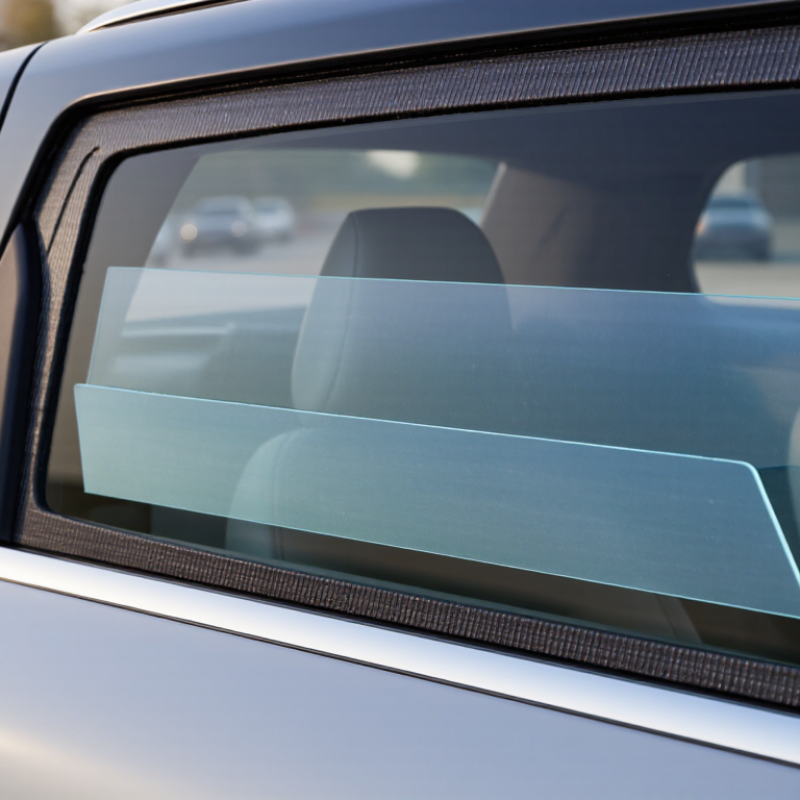
Soundproof auto glass is specially designed vehicle glass that reduces outside noise entering the cabin. It is not completely soundproof. The term usually describes acoustic laminated glass, made from two glass layers and a flexible sound-damping interlayer. This interlayer helps absorb vibrations from traffic, tires, wind, and rain.
Compared with ordinary side glass, acoustic glass may use different thicknesses or carefully matched layers. These materials interrupt sound waves before they reach the interior. The result can be a quieter cabin, clearer conversations, and less fatigue during long drives. I have found that the difference is most noticeable on highways, where tire hum and wind noise remain constant.
Installation quality matters greatly. A small gap around the glass can weaken its performance. Worn door seals, mirrors, roof racks, and engine noise can also limit the improvement. This is where expectations need checking. “Soundproof” can sound absolute, but real vehicles still produce mechanical noise. Acoustic glass reduces noise; it does not erase it.
A qualified technician should confirm the correct glass specification and fit before replacement. The glass must match the vehicle’s structure, sensors, heating features, and safety requirements. Results also vary by cabin design and road surface. Smooth pavement may reveal a clear benefit, while rough asphalt can hide it.
Soundproof auto glass is usually laminated glass made from two glass sheets bonded with a plastic interlayer. A typical laminated windshield uses approximately 2.1 mm of outer glass, a 0.76 mm PVB or acoustic interlayer, and 2.1 mm of inner glass. The interlayer helps damp vibration and reduces the amount of road, wind, and traffic noise transmitted into the cabin. Exact thicknesses and acoustic performance vary by vehicle design.
Soundproof auto glass is constructed to reduce road, wind, and traffic noise inside a vehicle. Unlike ordinary tempered glass, it often uses laminated layers. Two glass sheets sandwich a flexible acoustic interlayer. This inner layer absorbs part of the vibration before it reaches the cabin. It is not magic. Construction details matter.
Manufacturers may combine different glass thicknesses to reduce overlapping sound frequencies. A thicker outer sheet can resist low-frequency road rumble, while the acoustic layer helps soften sharper sounds. The edges also receive careful attention. Durable seals prevent small air gaps around the window, because sound can pass through weak points easily. In my experience, a well-designed window feels quieter near busy roads, but results can vary with tire condition, door insulation, and vehicle shape. The term “soundproof” can therefore be slightly imperfect; “sound-reducing” is often more accurate.
Tips: Check the glass marking and ask whether it contains an acoustic interlayer. Inspect the rubber seals for cracks or uneven contact. After installation, listen during a short drive on both smooth and rough pavement. Small gaps matter.
Soundproof auto glass, often called acoustic glass, reduces road noise through layered construction. A thin sound-damping film sits between two glass panels. When tires hum against rough asphalt, vibrations reach the windshield or side windows. The film absorbs part of that energy before it enters the cabin. Thicker glass and tighter seals can improve the result. It is not magic.
In real driving, the change is most noticeable on highways and coarse pavement. The cabin may feel calmer, making conversation and navigation easier. Acoustic glass does not remove every sound. Wind around mirrors, tire design, door seals, and suspension noise still matter. During installation, technicians must use the correct glass shape and check the seal carefully. A small gap can create a sharp whistle and reduce the benefit. Road surfaces also vary, so one test drive cannot prove everything.
Tips: Compare the same road at the same speed before and after installation. Keep the windows fully closed during testing. Ask a qualified technician to inspect the seal, trim, and mounting points. If noise remains, check tire pressure and uneven tread. Expectations can be too high. Reducing noise is realistic, but creating silence is not.
Soundproof auto glass uses laminated layers and a noise-reducing interlayer. The structure dampens vibrations before they enter the cabin. It works best against steady road noise, tire hum, and wind around the windows.
In practical driving tests, passengers often notice a calmer cabin at highway speeds. Conversations may feel easier, and audio can sound clearer at lower volume. Less noise may also reduce fatigue during long journeys.
However, soundproof glass is not a complete barrier. It cannot remove engine vibration, suspension impacts, or noise entering through doors and seals. Performance also depends on glass thickness, installation quality, vehicle design, and weather conditions. A poorly fitted window can still whistle. Some drivers may notice only a modest improvement, especially in older vehicles. The glass can also cost more and may add slight weight. That trade-off deserves attention.
My own view is cautious: quieter does not always mean quiet.
Tips: Test the vehicle on the same road before and after installation. Check for even seals, smooth window movement, and clear visibility. Ask a qualified technician about compatibility with sensors, heating elements, and safety systems. Do not judge results from a short parking-lot test. Give your ears time to notice the difference.
Soundproof auto glass, often called acoustic glass, reduces road, wind, and traffic noise entering a vehicle. It usually combines two glass layers with a noise-damping plastic interlayer. The interlayer absorbs some vibrations before they reach the cabin. It does not create silence. It creates a calmer acoustic environment.
Manufacturers commonly install it in windshields because this large surface faces constant wind pressure. Some vehicles also use acoustic glass in front door windows, where tire noise and passing traffic are noticeable. Rear door glass and panoramic roof panels may receive similar treatment, especially in vehicles designed for quiet travel. Electric vehicles can benefit greatly because their quieter motors make wind and road sounds easier to notice. In practice, results depend on seals, door construction, tires, and cabin insulation. A quiet windshield cannot fix every noise source.
Tips: Check the glass marking before replacement. Acoustic glass may have a special symbol or description. Ask a qualified technician to confirm the correct thickness, shape, and safety features. Poor installation can create wind leaks, rattles, or reduced visibility. Also, compare the vehicle’s original glass specification, not only its appearance. Soundproof glass helps, but expectations should remain realistic. The road still speaks.
It is usually laminated glass with two sheets surrounding a flexible acoustic interlayer. It reduces noise rather than creating silence.
The interlayer absorbs part of the glass vibration before it reaches the vehicle interior. It softens wind, traffic, and road sounds.
Different thicknesses can reduce overlapping sound frequencies. A thicker outer sheet may help control low-frequency road rumble.
It is commonly used in windshields and front door windows. Some vehicles also use it in rear doors or panoramic roof panels.
Yes. Quieter motors can make wind and tire noise more noticeable. Acoustic glass may make the cabin feel calmer.
Seals prevent small air gaps around the window. Sound can pass through weak points easily. Small gaps matter.
Check the glass marking for an acoustic symbol or description. Ask whether the glass contains an acoustic interlayer.
Inspect the edges for uneven contact or cracked seals. Take a short drive on smooth and rough pavement, then listen carefully.
No. Tire condition, door insulation, vehicle shape, and installation quality also affect cabin noise. The road still speaks.
Not always. “Sound-reducing glass” is often more precise. I might expect too much from the word soundproof.
What is soundproof auto glass and how it works is a common question for drivers seeking a quieter, more comfortable cabin. Soundproof auto glass is specially designed laminated glass that uses multiple layers, including a noise-dampening acoustic layer, to reduce the amount of road, wind, and traffic sound entering the vehicle. During construction, these layers are bonded together under controlled pressure and heat, creating a strong transparent panel that provides both protection and sound insulation.
By absorbing and weakening sound vibrations, this glass helps reduce cabin noise, making conversations, music, and navigation instructions easier to hear. Its main benefits include improved comfort, reduced driver fatigue, and a more refined interior environment. However, it may cost more than standard glass and may not eliminate all outside noise, especially from tires or rough road surfaces. Soundproof auto glass is commonly used in windshields, front door windows, and other areas where noise reduction is especially valuable.

AGS Glass