How to Tell If Your Auto Glass Needs Replacement?

Time:2026-09-18 Author:Sienna
0%

Knowing when to replace auto glass is not always obvious. A tiny chip may look harmless beside a larger crack. However, temperature changes, road vibration, and moisture can make damage spread quickly. The right decision depends on the glass location, damage size, depth, and visibility.

Many drivers search, “How to tell if my auto glass needs replacement.” Start by checking the driver’s direct viewing area. A crack across that zone can create glare, distort traffic signs, or hide a cyclist in bright sunlight. Damage near the windshield edge also deserves prompt attention because the frame supports the glass. If the windshield has several impact points, deep star breaks, or cracks reaching the edge, repair may not be reliable. It may need replacement.

Side and rear windows often use tempered glass. They can shatter into small pieces after one strong impact. Windshields usually use laminated glass, which may remain in place while still losing structural strength. That difference matters. Do not judge safety by appearance alone. A qualified auto glass technician can inspect the inner and outer layers, identify hidden damage, and confirm whether advanced driver-assistance systems need recalibration. This step is sometimes overlooked. It should not be.

Clear visibility matters most. Dust, rain, and nighttime headlights can expose problems that seem minor in a driveway. When damage is growing, visibility is reduced, or the glass feels loose, arrange a professional inspection promptly. DIY resin kits may offer temporary results, but they cannot correct every type of damage. Safety comes before convenience.
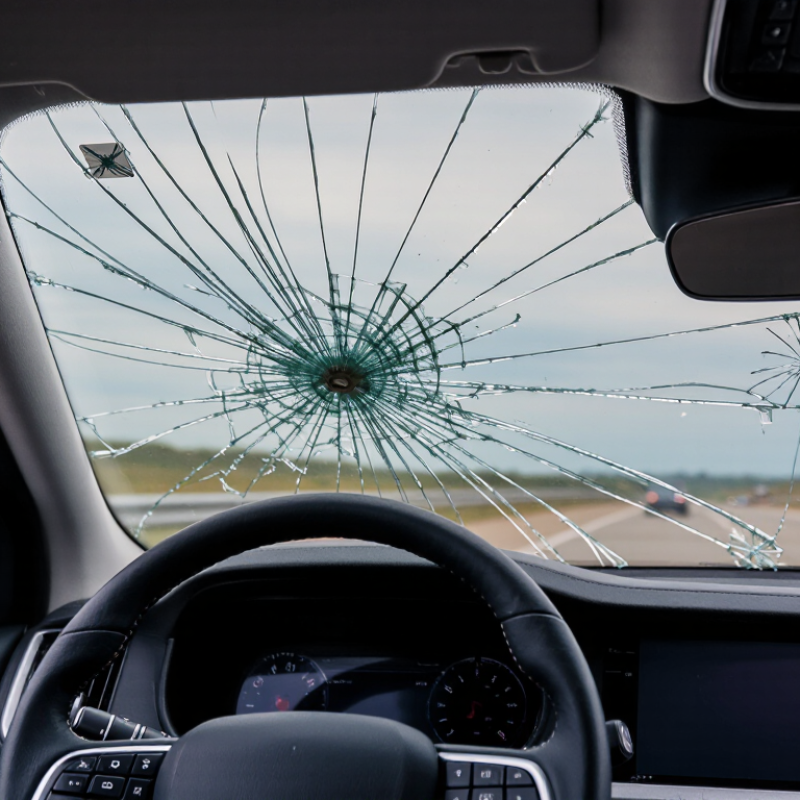
How to Tell If Your Auto Glass Needs Replacement?

Identify Damage Type and Size: Chips Under 1 Inch May Be Repairable

How to Tell If Your Auto Glass Needs Replacement?

A small chip does not always require a new windshield. Chips under one inch may be repairable when the damage is shallow, clean, and away from the glass edge. A trained glass technician should inspect it under proper lighting. Size alone is not enough. The chip’s depth, shape, and location also matter.

For example, a round “bullseye” chip may respond well to resin repair, while a star-shaped break can spread more easily. I have seen tiny chips become long cracks after one cold night. That detail is easy to underestimate.

Replacement becomes more likely when a crack reaches the windshield edge, crosses the driver’s direct viewing area, or includes several impact points. Damage that affects the inner glass layer may also weaken visibility and structural support. Moisture, dust, and repeated temperature changes can make repair less reliable.

Modern vehicles may also require careful recalibration after glass replacement if cameras or sensors are mounted nearby. A qualified technician can confirm these requirements using the vehicle’s specifications and a direct inspection.

Tips: Cover a fresh chip with clear tape to keep out dirt and moisture. Avoid slamming doors or using extreme heat on the glass. Do not press the damaged area. Schedule an inspection soon, even if the chip looks harmless. Sometimes, a repair is possible; sometimes, replacing the glass is the safer choice.

Inspect Location: Edge Cracks and Driver-View Damage Usually Require Replacement

Small windshield damage can look harmless, but its location often matters more than its size. An edge crack deserves immediate attention because the glass carries stress along its perimeter. Heat, vibration, and road impacts can make that crack spread toward the center. Once the fracture reaches the edge, a repair may not restore dependable strength. Replacement is often the safer recommendation.

Damage directly in the driver’s viewing area creates a different concern. Even a short chip can leave distortion, glare, or a fine line after repair. Those effects may become obvious in rain, darkness, or low sunlight. Move your head slightly and inspect the mark from several angles. If it interrupts the main sight path, replacement usually offers clearer vision. Do not judge by appearance alone.

An experienced glass technician checks crack length, depth, edge distance, and position. They also examine the inner layer and nearby mounting areas. Keep the vehicle still if the crack is growing, especially after a sudden temperature change. A quick visual check helps, but it can miss hidden spreading. That first impression may be wrong. Professional assessment matters.

Assess Structural Risk: Glass Provides About 45% Frontal Crash Protection

How to Tell If Your Auto Glass Needs Replacement?

A windshield is more than a clear screen. It helps maintain the vehicle’s cabin shape during a crash. Industry safety discussions often estimate that windshield glass provides about 45% of frontal crash protection. The exact figure can vary by vehicle design, but the structural role remains serious. A cracked windshield may weaken when the front airbags deploy. It can also reduce roof support during a rollover.

Look closely at the damage. A crack reaching the glass edge deserves prompt professional assessment. So does damage directly in the driver’s viewing area. Small chips may seem harmless, especially under bright daylight. They can spread after a cold night, a road vibration, or a sudden temperature change. Feel the surface carefully only if safe. Do not press hard.

Location matters.

A qualified glass technician should inspect the damage, mounting area, and sealing surface. Replacement may be safer than repair when cracks are long, deep, or near structural edges. Modern vehicles may also use cameras or sensors behind the windshield. After replacement, these systems might require precise recalibration. Ignoring that step can affect emergency braking, lane warnings, or other safety functions. It is easy to underestimate a small crack. I would rather question an early replacement decision than rely on glass that no longer supports the vehicle as designed.

Check Rollover Safety: Windshields Support About 60% of Roof Integrity

When people inspect auto glass, they often look only for visibility problems. That is too narrow. In a rollover, the windshield helps keep the roof structure from collapsing. Safety engineers often estimate its contribution at about 60 percent of roof integrity. The exact percentage varies by vehicle design, glass type, and bonding system. It is a useful warning, not a universal guarantee. That distinction matters.

Replace glass promptly when a crack reaches an edge, spreads across the viewing area, or branches like a spider web. A deep chip can weaken laminated layers, even when it looks small from inside. Watch for loose edges, water leaks, wind noise, or glass that shifts after impact. These signs may indicate failed bonding. Do not press the glass to test it. A trained technician should inspect the damage, check camera or sensor alignment, and follow the vehicle’s approved installation procedure. Correct adhesive curing time matters too.

A replacement is not merely a clearer window. It restores a designed structural connection between the glass and the body. Shortcuts can leave gaps, uneven seating, or weak adhesion. It is easy to underestimate a corner crack until temperature changes or road vibration make it spread. The better question is practical: can the glass still protect occupants during a rollover? If the answer is uncertain, arrange an inspection before driving at highway speed. Even minor damage deserves attention.

How to Tell If Your Auto Glass Needs Replacement? — Check Rollover Safety: Windshields Support About 60% of Roof Integrity
Inspection Dimension What to Check Typical Safety Meaning Recommended Action Priority
Crack Location Check whether the crack reaches the edge of the windshield, extends into the corner, or branches into multiple directions. Edge cracks can spread more easily and may compromise the bonded glass structure. Professional replacement is generally recommended. High
Driver’s Primary Viewing Area Look for damage directly in the driver’s normal line of sight, especially glare-producing cracks, pits, or impact marks. Damage can reduce visibility and create distracting reflections, particularly at night or in direct sunlight. Replacement is commonly the safer option; local regulations may also apply. High
Large Impact Damage Measure the damaged area, including the visible impact point and surrounding cracks. Larger damage is less likely to be repaired reliably and may continue spreading because of vibration and temperature changes. Have the windshield assessed for replacement as soon as possible. High
Small Chip Outside the Viewing Area Check for a small, clean impact point with limited short cracks and no edge involvement. Some small chips may be repairable when the laminated layers remain stable and the damage is recent. Request a professional repair promptly before dirt or moisture enters the damage. Medium
Multiple Chips or Long Cracks Inspect whether several impact points overlap or whether cracks run across a significant portion of the glass. Multiple or extensive defects can weaken visibility and reduce the likelihood of a durable repair. Replacement is usually more appropriate than repair. High
Windshield Structural Role Consider the windshield as a bonded part of the vehicle body rather than only a visibility panel. In a rollover, the windshield can help support the roof structure; commonly cited safety estimates place its contribution at approximately 60% of roof integrity, depending on vehicle design and condition. Do not delay replacement when damage affects the bonded perimeter or structural area. Critical
Airbag Support Area Check for damage, separation, or improper installation around the lower edge of the windshield. The windshield helps provide a reaction surface for certain passenger airbag deployment designs. Use qualified installation and confirm correct bonding and curing procedures. Critical
Glass Separation or Delamination Look for cloudy areas, milky edges, bubbles, peeling layers, or separation between laminated glass layers. Delamination can reduce optical quality and indicates deterioration of the laminated assembly. Replacement is generally required. High
Water or Air Leakage Check for moisture entering the cabin, wind noise, or visible gaps around the windshield seal. Leaks may indicate damaged bonding, incorrect installation, or corrosion around the mounting area. Arrange a professional inspection and correction before continued driving in severe weather. High
Advanced Driver-Assistance Sensors Check whether cameras or sensors are mounted behind the windshield and whether warning messages appear after glass damage. Replacing the glass can affect camera alignment and functions such as lane guidance or automatic emergency braking. Use the correct glass specification and complete required calibration after replacement. Critical
Visibility After Cleaning Clean both sides of the glass and inspect under daylight and nighttime lighting conditions. Some scratches, pits, and glare patterns become more noticeable after cleaning and can impair visual judgment. Monitor minor damage only if it does not affect visibility or structural areas; seek professional advice if uncertain. Medium
Temperature and Vibration Exposure Observe whether a chip or crack grows after rapid temperature changes, pothole impacts, or body vibration. Laminated glass damage can expand quickly when exposed to thermal stress or movement. Stop delaying assessment if the damage is spreading. High
Safety note: Repair-versus-replacement decisions depend on the damage size, location, glass construction, vehicle design, local regulations, and the condition of the bonding area. A qualified auto-glass professional should make the final assessment.

Confirm ADAS Needs: Replacement May Require Camera Recalibration

How to Tell If Your Auto Glass Needs Replacement?

A small chip does not always mean immediate replacement. A crack near the driver’s view can become more serious, especially after temperature changes or road vibration. Glass damage around an ADAS camera deserves extra attention. The camera may sit behind the windshield, close to the rear-view mirror. Even minor distortion can affect lane warnings, emergency braking, or traffic-sign detection. A clean-looking windshield can still create a calibration problem.

Confirm ADAS needs before approving the work. Windshield replacement may require camera recalibration, using the vehicle manufacturer’s specified procedure. Some systems need a static calibration with special targets. Others require a road test under suitable conditions. A qualified technician should scan for fault codes and confirm that warning messages have cleared. Do not rely only on a dashboard light. Some performance changes appear quietly. It is easy to assume the camera is fine because the glass looks clear. That assumption can be wrong.

Tips: Ask whether your vehicle has a forward-facing camera. Request written confirmation that calibration was completed. Keep the repair record for future service. Check lane guidance and collision alerts in a safe area after repair. Never test these features aggressively. Calibration may also fail when the vehicle has incorrect tire pressure, altered ride height, or a misaligned steering system. Technicians should explain these limits clearly. A rushed inspection saves time today, but it may create uncertainty later.

How to Tell If Your Auto Glass Needs Replacement?

Common windshield damage screening points. Damage in the camera mounting area requires an ADAS inspection, and replacement may require camera recalibration.

Crack length
Cracks around 6 inches or longer commonly trigger a replacement assessment, especially in the driver’s viewing area.
Chip diameter
Chips larger than about 1 inch may exceed typical repair limits. Final decisions depend on depth, location, and spread.
Edge proximity
Damage within roughly 2 inches of the windshield edge can weaken structural integrity and may require replacement.

These are common reference points, not universal legal limits. If the windshield contains a forward-facing ADAS camera, the camera and mounting area should be checked after glass replacement. Recalibration requirements vary by vehicle and service procedure.

FAQS

Why can an edge crack require windshield replacement?

The glass carries stress around its perimeter. Heat, vibration, and road impacts can extend the crack toward the center. Location matters.

Does a small chip in the driver’s viewing area need replacement?

Often, yes. Even a short chip can leave distortion, glare, or a fine line after repair. Vision may remain unclear.

How should viewing-area damage be checked?

Inspect the mark from several angles. Move your head slightly and check it in rain, darkness, and low sunlight. Do not trust bright daylight alone.

What signs suggest structural risk?

Cracks near the edge, long fractures, and deep damage deserve prompt professional assessment. A damaged windshield may provide less support during a crash.

How much frontal crash protection can windshield glass provide?

Safety discussions often estimate about 45 percent. The exact figure varies with vehicle design, so this number is not universal.

Can a small crack spread suddenly?

Yes. Cold nights, temperature changes, road vibration, and impacts can enlarge hidden damage. Keeping the vehicle still may help limit movement.

What does a glass technician inspect?

They check crack length, depth, edge distance, and position. They also inspect the inner layer, mounting area, and sealing surface.

What happens after windshield replacement in vehicles with sensors?

Cameras or sensors behind the glass may require precise recalibration. Without it, emergency braking or lane warnings might work incorrectly.

Conclusion

How to tell if my auto glass needs replacement depends on the type, size, and location of the damage. Small chips under one inch may sometimes be repairable, but larger cracks, multiple impact points, or damage that spreads can weaken the glass and require replacement. Cracks along the edges are especially serious because they can reduce overall stability. Any damage directly in the driver’s viewing area may also require replacement if it affects visibility or cannot be repaired without distortion.

Auto glass is an important part of vehicle safety, contributing roughly 45% of frontal crash protection and supporting about 60% of roof integrity during a rollover. If the windshield includes cameras or advanced driver-assistance sensors, replacement may also require professional recalibration so these systems can work correctly. When in doubt, have the glass inspected promptly by a qualified technician.

Sienna

Sienna

Sienna is a skilled marketing professional with a deep expertise in our company’s core products and services. With a passion for innovation and detail, she plays a pivotal role in crafting insightful blog posts that not only highlight the unique features of our offerings but also provide valuable......