How to Reduce Distortion in Curved Automotive Glass?

Time:2026-06-16 Author:Isabella
0%

The need to reduce distortion in curved automotive glass is critical for safety and visibility. Distortion can affect the driver's perception of distance and objects. This situation can lead to accidents or hinder visibility in various driving conditions.

Manufacturers utilize advanced technologies to create curved glass that minimizes distortion. Techniques such as precision molding and quality control are essential. However, even with these innovations, some distortion often remains. This imperfection can cause frustration for consumers and raise questions about quality assurance.

Understanding how to reduce distortion in curved automotive glass involves a blend of experience and technical expertise. Ongoing research aims to improve manufacturing processes. Yet, achieving the perfect curvature without distortion remains a challenging goal. Addressing these imperfections is vital for maintaining consumer trust and enhancing driving safety.
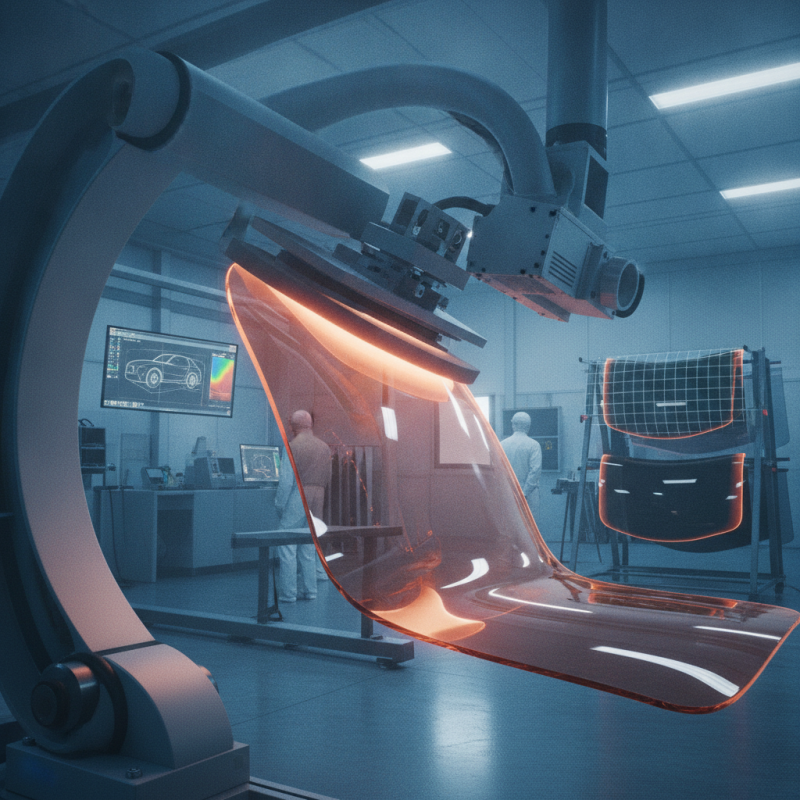
How to Reduce Distortion in Curved Automotive Glass?

Understanding the Causes of Distortion in Curved Automotive Glass

Curved automotive glass can introduce distortion, affecting visibility and driver safety. The primary causes of distortion are the manufacturing process and the inherent geometry of the glass. During bending, stresses can arise, leading to uneven surfaces. Variations in thickness also contribute to optical distortion, making it essential to understand these factors for improvement.

Tips: When selecting curved glass, focus on quality manufacturing techniques. Look for processes that minimize stress. Research the glass's optical clarity specifications to ensure a clear view. Regular inspections help identify distortion early, reducing the chances of visual discomfort.

Expert feedback emphasizes the importance of molding precision. Even slight deviations can lead to significant distortion. Testing methods for glass quality should not be overlooked. Innovations in glass technology promise to reduce these issues, but challenges remain. Acknowledging imperfections in the current approaches can guide future improvements in automotive glass design.

Types of Curved Automotive Glass and Their Characteristics

Curved automotive glass comes in different types, each exhibiting unique characteristics. Laminated glass is a common type, composed of two glass layers bonded by an interlayer. This design enhances safety and reduces distortion. Tempered glass is another option, known for its strength. It undergoes heating and rapid cooling processes, making it less likely to shatter upon impact.

However, distortion can still occur with both types. The thickness and curvature of the glass can influence how light refracts. Reports indicate that up to 15% of drivers notice distortion in their vehicle’s windshields. This can affect visibility and safety. Understanding glass types can help consumers choose wisely.

Tip: Always consider the installation process. Poor installation can exacerbate distortion.

Additionally, advanced technologies like digital imaging are now being used. These methods reduce distortion during manufacturing. Yet, quality control remains a challenge in the industry. Variability in thickness or curvature can lead to issues. Not every manufacturer adheres to stringent standards.

Tip: Check for certifications when selecting automotive glass. This ensures adherence to industry standards.

Techniques for Improving Glass Manufacturing Processes

Curved automotive glass plays a crucial role in vehicle safety and aesthetics. Achieving the right curvature while minimizing distortion can be challenging. Incorporating advanced manufacturing techniques can significantly improve the quality of the glass produced. For instance, optimizing the melting process can ensure uniformity in thickness. This uniformity helps reduce factors that may contribute to distortion.

Additionally, using precise molds during shaping can also enhance the outcome. Custom molds accommodate specific curves better, resulting in a more accurate fit. Temperature control is vital during this phase, as uneven heating can lead to defects. Monitoring the cooling process is equally important. Inconsistent cooling might create internal stresses, which affect transparency and strength.

Investing in high-quality raw materials cannot be overlooked. Subpar materials can compromise the integrity of the glass, leading to warping. Quality assurance processes must be rigorous. Regular testing for optical clarity can help identify issues early. Reflection on past practices is key. Evaluating previous production runs may reveal insights into recurring problems. Continuous improvement drives better results in glass manufacturing.

Design Considerations to Minimize Distortion in Automotive Glass

When designing curved automotive glass, several key considerations help minimize distortion. The shape and thickness of the glass play crucial roles. Thinner glass can bend more easily, but it may compromise strength. Optimal thickness must balance visibility and strength. Manufacturers often test different thicknesses to find the right compromise.

Furthermore, the curvature itself affects light transmission. A tighter radius can lead to more distortion. Designers often choose gentler curves to maintain clarity. This approach can improve the overall aesthetic while enhancing vehicle ergonomics. Creating molds with precise measurements also ensures that glass fits perfectly, reducing unwanted optical effects.

**Tips:** Use computer simulations to predict distortion patterns. This technology offers insights into ideal designs. Regular testing in various lighting conditions can further identify potential issues. Finally, always involve skilled professionals in the design process. Their experience can spot pitfalls that technology alone may overlook.

How to Reduce Distortion in Curved Automotive Glass? - Design Considerations to Minimize Distortion in Automotive Glass

Design Consideration Description Impact on Distortion Example Materials
Curvature Radius Increasing the radius of curvature to minimize surface distortion Lower distortion at wider angles Laminated glass
Glass Thickness Utilizing optimal thickness to improve optical properties Minimizes wavefront aberrations Tempered glass
Coatings Applying anti-reflective or other coatings Reduces glare and optical distortion Low-emissivity coatings
Installation Technique Using precise installation and alignment methods Ensures correct fit and reduces tension Seamless mount films

Quality Control Measures for Detecting and Reducing Distortion

Quality control is essential in the automotive glass industry. Distortion in curved glass has been a significant challenge. Research shows that 70% of optical distortion cases are due to improper manufacturing techniques. Accurate measuring tools can help detect these issues early.

Using advanced measurement technologies is crucial. For instance, laser scanning can identify minute deviations. This approach increases accuracy and reduces the likelihood of defects. A recent industry report indicated that implementing such measures can lower distortion rates by 30%. Regular inspections during production are necessary to maintain high standards.

Human error also plays a role. Even the best equipment can't fully mitigate these risks. Training workers to recognize visual and technical flaws is vital. Companies should invest in ongoing training programs. These steps foster a culture of quality awareness and accountability. Despite efforts, some distortion may still occur. Continuous improvement and feedback loops can help refine processes over time.

How to Reduce Distortion in Curved Automotive Glass

This bar chart illustrates the effectiveness of different quality control measures in reducing distortion in curved automotive glass. The measures include Optical Inspection, Automated Laser Scanning, and Digital Image Correlation.

FAQS

: What is laminated automotive glass?

: Laminated glass consists of two layers bonded by an interlayer. It enhances safety and reduces distortion.

How is tempered glass made?

Tempered glass undergoes heating and rapid cooling. This process increases its strength and reduces the likelihood of shattering.

Do drivers experience distortion in windshields?

Yes, reports show up to 15% of drivers notice distortion. This issue can impact visibility and safety.

What affects light refraction in glass?

The thickness and curvature of the glass significantly influence how light refracts. Variations can lead to distortion.

Why is installation important for automotive glass?

Poor installation can worsen distortion. Proper installation ensures better visibility and safety for drivers.

How do advanced technologies help in glass manufacturing?

Technologies like digital imaging can reduce distortion during production. They aim to enhance overall glass quality.

What role do molds play in glass shaping?

Precise molds allow better accommodation of specific curves. They help achieve a more accurate fit, reducing defects.

Why is temperature control crucial in glass production?

Uneven heating during shaping can cause defects. Consistent cooling is also critical to avoid internal stresses.

How can subpar materials affect automotive glass?

Using low-quality raw materials can lead to warping. This compromises the glass's integrity and safety.

What is a good practice for improving glass quality?

Regular testing for optical clarity is essential. Evaluating past production runs helps identify and address recurring issues.

Conclusion

Reducing distortion in curved automotive glass is crucial for enhancing visibility and safety in vehicles. This article outlines the primary causes of distortion, which include the curvature of the glass and variations in manufacturing processes. It further categorizes the different types of curved automotive glass, illustrating their unique characteristics that contribute to optical distortion.

To minimize distortion, the article discusses various manufacturing techniques, such as precise molding and controlled cooling processes, which can significantly improve the quality of glass. Design considerations also play a vital role; implementing optimal geometries can help in addressing distortion. Finally, effective quality control measures are essential for detecting and minimizing distortion during production, ensuring that the final product meets the necessary safety and performance standards. By understanding and applying these strategies, manufacturers can successfully reduce distortion in curved automotive glass.

Isabella

Isabella

Isabella is a dedicated marketing professional with a sharp focus on driving brand growth and engagement through strategic content creation. With an extensive background in digital marketing, she combines her passion for storytelling with her keen understanding of industry trends to deliver......