When it comes to windshield installation, the strength of adhesive bonding is crucial. It affects both safety and durability. Properly applied adhesive ensures that the windshield remains intact during impacts and environmental changes. To optimize adhesive bonding strength for windshield installation, several factors must be considered.
The adhesive material itself plays a significant role. Choosing a high-quality adhesive is essential. Additionally, surface preparation cannot be overlooked. Clean, dry surfaces enhance bonding effectiveness. Temperature and humidity also influence the curing process. If not properly managed, these conditions can weaken bond strength.
Finally, technique matters. Proper application ensures even distribution of adhesive. Mistakes during this process can create weak points. Evaluating existing methods is necessary for improvement. Continuous reflection on practices will lead to better outcomes in adhesive bonding. By focusing on these elements, installers can enhance their results significantly.
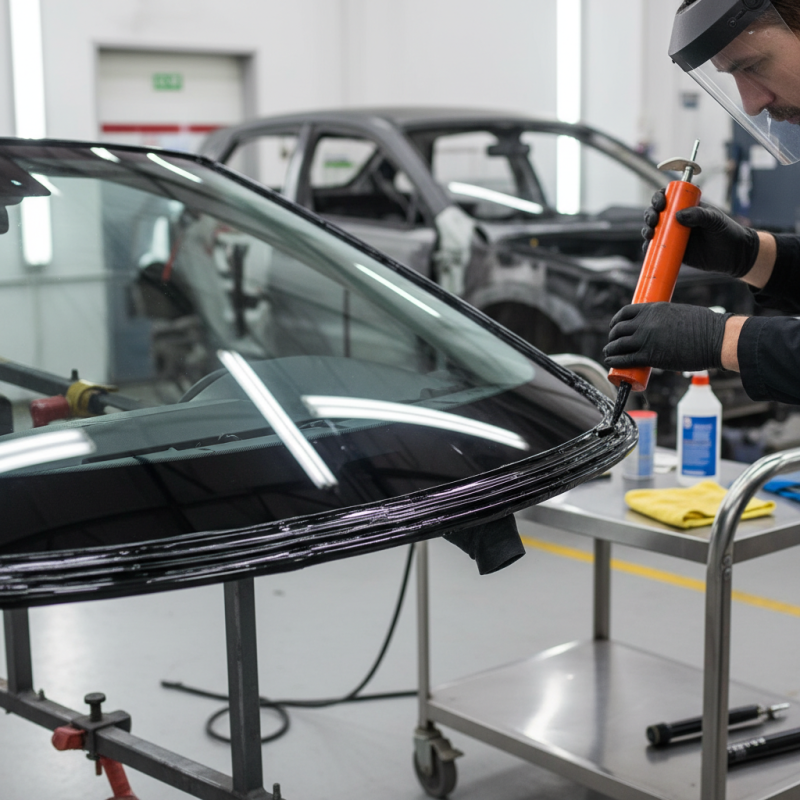
Adhesive bonding is crucial in windshield installation. A strong bond ensures that the windshield remains securely in place, providing safety and structural integrity to the vehicle. Proper adhesive application can prevent leaks, reduce noise, and even enhance the overall aesthetic appeal of a car.
When applying adhesive, surface preparation is essential. Clean the edges of the windshield thoroughly. Any dirt or debris can weaken the bond. It's also important to check the temperature and humidity before installation. Extreme conditions can affect adhesive performance.
Consider using dedicated tools to spread the adhesive evenly, minimizing air pockets that could lead to weak spots.
Tip: Verify compatibility of the adhesive with your vehicle's material. Not all adhesives are created equal. Always consult guidelines for the best results.
Also, take time to cure the adhesive effectively. Rushing this step can compromise its strength. Ensure that the adhesive is allowed to set without interference. Avoid exposure to harsh elements during the curing period. Reflection on these small details can lead to significant improvements in bond strength.
When it comes to windshield installation, adhesive bonding strength is critical. Several factors greatly influence this strength. Environmental conditions, for instance, play a significant role. Temperature and humidity can impact how adhesives cure. A study from the Adhesive Bonding Association shows that optimal temperature ranges between 60°F to 85°F provide the best outcomes. Outside this range, curing can be inconsistent.
Surface preparation is another vital factor. Contaminants like dust or grease can weaken the bond. A clean surface ensures that the adhesive adheres properly. Using specific cleaning agents improves the surface condition for bonding. Reports indicate that a surface free from contaminants can enhance bonding strength by up to 30%.
The adhesive type is also crucial. Different adhesives have varying properties, like elasticity and strength. Not all adhesives work well with automotive glass. Additionally, the curing time should not be rushed. A proper curing period allows the adhesive to reach its optimal strength. According to industry standards, a full cure can take up to 24 hours in some cases. These factors highlight the complexity and need for meticulous attention when optimizing adhesive bonding for windshields.
Surface preparation is critical for achieving optimal adhesive bonding strength in windshield installations. It begins with cleaning the glass and frame thoroughly. Remove dirt, grease, and old adhesive residues. Use a lint-free cloth and appropriate solvents for effective cleaning. Pay attention to hard-to-reach areas, as neglecting them can weaken the bond.
Next, surface roughening can enhance adhesion. Lightly sand the bonding surfaces to create a textured profile. This texture increases the surface area for the adhesive. However, be cautious with the sanding process. Over-sanding may damage the glass or frame, leading to potential issues. It’s essential to strike a balance between roughening and preserving integrity.
Finally, applying a primer is a common practice. Primers promote chemical bonding between the adhesive and the surface. Follow the manufacturer's guidelines for application. Avoid over-application, which can lead to uneven bonding. Each step in the surface preparation process is crucial. Even small oversights can result in structural weaknesses or premature failure.
When considering adhesive options for windshield installation, understanding the types and their bonding strengths is crucial. Common adhesive types include polyurethane, silicone, and epoxy. Polyurethane is widely used; it offers flexibility and strong adhesion. According to data from industry reports, polyurethane's tensile strength can exceed 2000 psi, making it an effective choice for vehicles that experience temperature fluctuations and vibrations.
Silicone adhesives, on the other hand, provide excellent weather resistance. They are often suitable for lighter loads and non-structural applications. However, their bonding strength is generally lower, averaging around 500 psi. In contrast, epoxy adhesives are known for their superior bonding strength, often reaching 3000 psi. This strength makes them ideal for high-impact situations but can require careful surface preparation and curing time.
Selecting the right adhesive isn't always straightforward. Factors like application conditions, vehicle type, and climate play significant roles in the overall effectiveness. An incorrect choice can lead to premature failure, risking safety. Failing to account for these elements can result in poor performance or flaws in the bonding process. Understanding adhesive strengths and proper application techniques is essential for achieving optimal results in windshield installations.
The curing process of adhesives during windshield installation is crucial for ensuring bond integrity. According to recent industry reports, nearly 30% of windshield failures can be attributed to improper curing techniques. Factors affecting this include temperature, humidity, and adhesive application thickness.
Maintaining optimal conditions during installation is essential. Using heated environments can greatly enhance adhesive performance. Studies indicate that a temperature increase of just 10°C can improve curing speed by 50%. However, not all installations have controlled climates. Real-world settings often fluctuate. This inconsistency can lead to weaknesses in the bond. Applicators must be diligent in monitoring and adjusting conditions to achieve the best results.
Proper adhesive technique is just as important. The surface must be cleaned thoroughly to remove any contaminants. Even small particles can disrupt adhesion. Additionally, the adhesive should be applied evenly, avoiding excess that may ooze out. A survey revealed that 20% of technicians reported challenges with consistent application methods. This reflects the need for ongoing training and quality control in the industry. Simple improvements in technique can prevent future issues and increase the lifespan of installations.
: Adhesive bonding ensures the windshield stays put, enhancing safety and structural integrity.
Clean the windshield edges thoroughly. Dirt can weaken the bond significantly.
Extreme temperatures or high humidity can compromise the adhesive bond.
Using dedicated tools can help spread adhesive evenly and minimize air pockets.
The adhesive needs enough time to set properly. Rushing can weaken it.
Common types include polyurethane, silicone, and epoxy, each with different strengths.
Polyurethane often exceeds 2000 psi, making it effective for vehicles facing temperature fluctuations.
No, they offer lower bonding strength, around 500 psi, and are best for lighter loads.
An incorrect adhesive can result in premature failure and safety risks.
Understanding adhesive strengths and application conditions can vastly improve bonding success.
To optimize adhesive bonding strength for windshield installation, it's essential to understand the critical role that adhesive bonding plays in vehicle safety and structural integrity. Several factors influence this bonding strength, including environmental conditions, surface cleanliness, and material compatibility. Proper surface preparation is crucial; it involves cleaning the area thoroughly and ensuring it's free from contaminants.
Choosing the right adhesive is also vital, as different adhesive types offer varying strengths and curing times. Techniques for curing and maintaining bond integrity during installation can further enhance the overall effectiveness of the bonding process. By adhering to best practices in these areas, one can significantly improve the durability and reliability of windshield installations, ensuring safety and performance.

AGS Glass