How to Enhance Structural Integrity of Laminated Safety Glass?

Time:2026-05-07 Author:Aria
0%

Laminated safety glass plays a crucial role in modern construction and automotive industries. Its ability to provide both safety and aesthetic appeal makes it essential. However, challenges in enhancing structural integrity remain. Industry expert Dr. Emily Carter emphasizes, "To enhance structural integrity of laminated safety glass, continuous innovation is key." This notion inspires ongoing research and development efforts.

Developing techniques to enhance structural integrity of laminated safety glass is vital. Experts focus on improving adhesive properties and using advanced filming technologies. Specific materials and manufacturing processes can significantly impact the durability of the glass. For instance, incorporating polyvinyl butyral (PVB) films enhances strength and resistance to shattering. Yet, not every method is flawless; some approaches lead to increased costs without significant performance benefits.

The journey to enhance the structural integrity of laminated safety glass involves exploration and trial-and-error. Each advancement brings hope for better safety standards and longevity. Yet, challenges persist. Testing methods and real-world applications often reveal unexpected outcomes. As we strive for excellence, a balance between innovation and practicality must be maintained. Continued collaboration among professionals is essential for future breakthroughs.
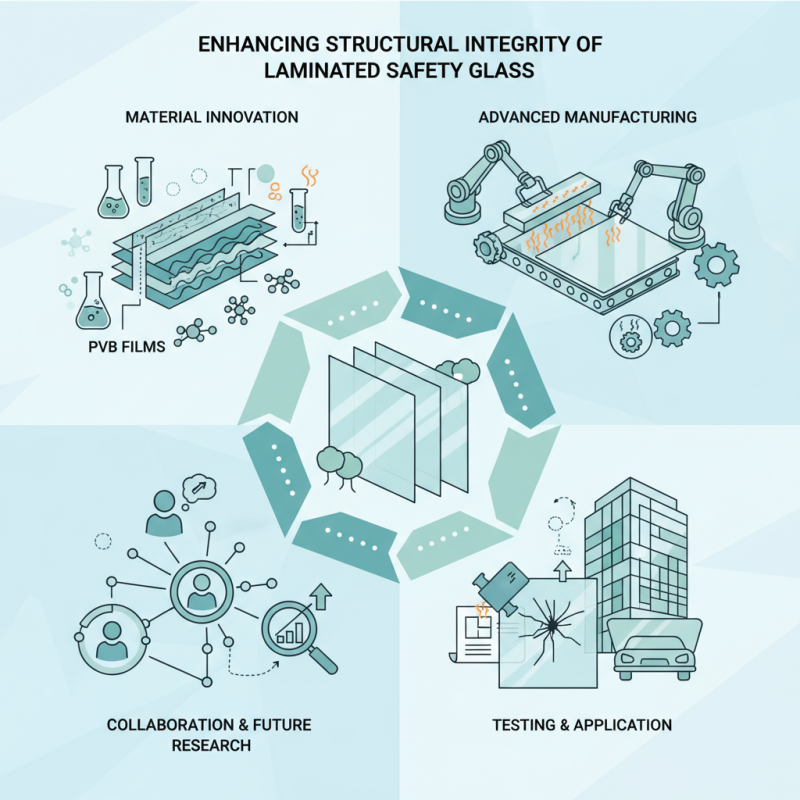
How to Enhance Structural Integrity of Laminated Safety Glass?

Understanding Laminated Safety Glass and Its Structure

Laminated safety glass is an essential component in modern construction and automotive industries. Its unique structure involves two or more layers of glass with an interlayer, typically made of polyvinyl butyral (PVB), sandwiched between them. This construction not only provides enhanced safety and security but also offers sound insulation and UV resistance. When the glass breaks, the interlayer holds the shards together, reducing the risk of injury.

To improve the structural integrity of laminated glass, consider the thickness of the interlayer. A thicker interlayer can better absorb impact, making it more resistant to breakage. Additionally, using high-quality glass that complies with safety standards ensures that the material can withstand various stresses. Regular inspections of the laminated glass structure can identify potential weaknesses early.

Tip: For added durability, avoid exposing laminated glass to extreme temperature fluctuations. Such conditions can compromise its strength.

Regular maintenance is crucial. Ensure that the glass is cleaned properly to avoid scratches, which can weaken its integrity over time. Small imperfections may not seem significant but can lead to larger issues.

Tip: Pay attention to the installation process. Proper sealing and support are vital for the longevity of laminated safety glass. It's important to follow manufacturer guidelines meticulously to prevent structural failure.

Factors Affecting the Structural Integrity of Laminated Glass

The structural integrity of laminated safety glass significantly hinges on various factors. One major aspect is the quality of interlayers used in the lamination process. Poor-quality interlayers can reduce adhesion and compromise overall strength. Furthermore, any bubbles or contaminants trapped between layers during manufacturing can weaken the glass, leading to potential failures.

The thickness of individual glass layers also plays a critical role. Thicker layers generally provide enhanced strength but may add weight. This requires careful consideration in design and installation. Additionally, environmental conditions like humidity and temperature fluctuations can affect the long-term performance of laminated glass. Over time, these factors may cause delamination, making periodic inspections essential to maintain structural integrity.

Lastly, the type of adhesive used is crucial. Not all adhesives are created equal. Some may degrade faster or perform poorly under stress. Testing and validation of these materials should never be overlooked. Each project demands a tailored approach, considering all variables to ensure safety and durability.

Techniques for Enhancing Bonding Between Layers in Laminated Glass

Laminated safety glass comprises multiple layers of glass bonded together. The bonding between layers is crucial. Strong adhesion enhances structural integrity, ensuring durability and safety. Techniques for improving bonding include using advanced interlayers. These interlayers can significantly enhance the overall strength of the glass.

One effective technique is the use of polyvinyl butyral (PVB) interlayers. According to industry reports, PVB can increase tensile strength by up to 30%. Additionally, using an ionomer-based interlayer aids in resisting impact. This method ensures better performance in challenging conditions. Testing shows that laminated glass with high-quality interlayers performs better in real-world scenarios.

Applying proper lamination techniques is essential. The temperature and pressure during the lamination process affect bonding quality. Current standards recommend maintaining specific conditions for optimal results. Weak bonds can lead to delamination and glass failure. Data indicates that failures often occur due to inadequate lamination practices. It's clear that attention to detail in the bonding process can make a significant difference in the final product.

Materials Selection to Improve Resilience and Durability

The resilience and durability of laminated safety glass hinge on the careful selection of materials. High-quality interlayers, such as polyvinyl butyral (PVB) and ethylene-vinyl acetate (EVA), significantly enhance performance. According to a recent industry report, laminated glass with PVB can withstand impact forces up to 90% better than non-laminated alternatives.

Integrating advanced materials like nanosilica into the interlayer can further improve structural integrity. Nanosilica enhances toughness and minimizes crack propagation. A study found that this composite approach can increase the lifespan of safety glass assemblies by 30%. It’s crucial to understand that not all combinations yield equal results. Balancing flexibility and strength often requires experimentation.

Tips: Consider local environmental factors. Temperature changes can affect material performance. Also, assess the impact of UV exposure on the longevity of the interlayer. Regular testing for adhesion and clarity can reveal potential weaknesses early. Prioritize data from trusted sources to ensure reliable outcomes. Integrating these insights can lead to safer glass products.

How to Enhance Structural Integrity of Laminated Safety Glass? - Materials Selection to Improve Resilience and Durability

Material Type Characteristics Applications Advantages
Polyvinyl Butyral (PVB) Good adhesion, optical clarity, and ductility Automotive and architectural glazing Increases impact resistance and safety
Ethylene Vinyl Acetate (EVA) Excellent adhesion and elasticity; UV stable Solar panels and structural glazing Improves durability and weather resistance
SentryGlas® Higher strength and stiffness compared to traditional PVB High-rise buildings and security applications Better performance under stress and greater safety
Polycarbonate Lightweight, high impact resistance, and transparency Safety shields and security glazing Excellent shatter resistance and durability
Acrylic (PMMA) High clarity, lightweight and UV resistance Signage and protective barriers Good aesthetic quality and ease of fabrication

Testing Methods for Evaluating Structural Integrity of Laminated Glass

Evaluating the structural integrity of laminated safety glass is essential in ensuring its effectiveness. Various testing methods can provide insights into the glass’s durability and resilience. One method involves impact testing, where a weighted object is dropped onto the glass surface. This can reveal susceptibility to breakage and delamination.

Another critical approach is shear testing. It assesses how well the layers of the glass bond together. Weak adhesion can compromise the glass's integrity. Testing for these issues is complex and requires specialized equipment. Some laboratories may struggle with outdated machinery, which can yield inconsistent results.

Thermal cycling tests also play a vital role. They examine how laminated glass reacts to extreme temperature changes. Limited testing environments may not replicate real-world conditions accurately. Such shortcomings highlight the need for continuous improvement in testing methodologies. Prioritizing accuracy is crucial for manufacturers aiming to enhance safety and performance.

Testing Methods for Evaluating Structural Integrity of Laminated Safety Glass

FAQS

: What is laminated safety glass?

: Laminated safety glass consists of two or more glass layers with an interlayer for safety and sound insulation.

How does the interlayer affect glass strength?

A thicker interlayer absorbs impact better, making the glass more resistant to breakage and improving safety.

Why is regular maintenance important for laminated glass?

Proper cleaning prevents scratches that may weaken the glass over time. Small imperfections can lead to larger problems.

What factors affect the structural integrity of laminated glass?

Quality of interlayers, environmental conditions, and adhesive type significantly influence the overall strength and durability.

How does temperature impact laminated glass?

Extreme temperature fluctuations can compromise the strength of laminated glass, leading to potential failures.

Why should manufacturers' installation guidelines be followed?

Proper sealing and support are critical for longevity. Deviating from guidelines can result in structural issues.

What role does material selection play in laminated glass?

Choosing high-quality interlayers and advanced materials enhances resilience and durability, improving overall performance.

Can environmental factors weaken laminated glass?

Yes, humidity and temperature changes may lead to delamination, making regular inspections necessary for long-term performance.

How can the lifespan of laminated glass be increased?

Integrating materials like nanosilica can improve toughness and reduce crack propagation, potentially extending the glass's lifespan by 30%.

What should be tested regularly in laminated glass?

Adhesion and clarity need frequent testing to identify weaknesses early and ensure safety and durability in use.

Conclusion

Laminated safety glass is a vital component in various construction and automotive applications due to its enhanced structural integrity and safety features. To enhance the structural integrity of laminated safety glass, it is essential to understand its composition and the factors that can negatively impact its performance, such as environmental influences and mechanical stresses.

Implementing specific techniques to improve bonding between the glass layers, selecting appropriate materials for increased resilience and durability, and utilizing rigorous testing methods are crucial steps in reinforcing the glass's structural integrity. By addressing these elements, manufacturers can significantly improve the reliability and longevity of laminated safety glass, ensuring it meets safety standards in various applications.

Aria

Aria

Aria is a dedicated marketing professional with a deep passion for innovative strategies and a keen understanding of our company's product offerings. With a wealth of experience in the industry, Aria excels at crafting engaging content that highlights the unique features and benefits of our......