How to Choose Auto Glass With UV Protection?

Time:2026-09-13 Author:Isabella
0%

Choosing auto glass with UV protection involves more than checking a marketing label. The windshield and side windows can receive strong sunlight during daily driving. Over time, ultraviolet exposure may contribute to dashboard fading, leather cracking, and discomfort for passengers. It can also affect children, older adults, and people with sensitive skin. What is UV protection function of auto glass should be understood before comparing products.

UV protection usually comes from laminated glass, tinted layers, or specialized coatings. However, these materials do not always provide identical protection. A reliable choice should state its ultraviolet transmission rating, construction, and testing method. Ask whether the glass blocks UVA, UVB, or both. Confirm that the product matches the vehicle’s original specifications. Professional installers can also check optical clarity, acoustic performance, and compatibility with cameras or rain sensors.

Small details matter.

During a test, inspect the glass under direct sunlight. Look for uneven tint, reflections, bubbles, or distracting distortions near the edges. A trustworthy supplier should provide traceable product information and explain installation limits clearly. Do not assume darker glass offers stronger UV protection. That assumption is common, but incomplete. Some clear glass can block substantial UV radiation, while certain dark films may perform poorly. Choosing the right option requires balancing protection, visibility, durability, and practical driving conditions. Personal experience helps, but manufacturer data and qualified installation deserve greater weight. Even then, no glass solution eliminates every form of solar exposure, so realistic expectations remain important.
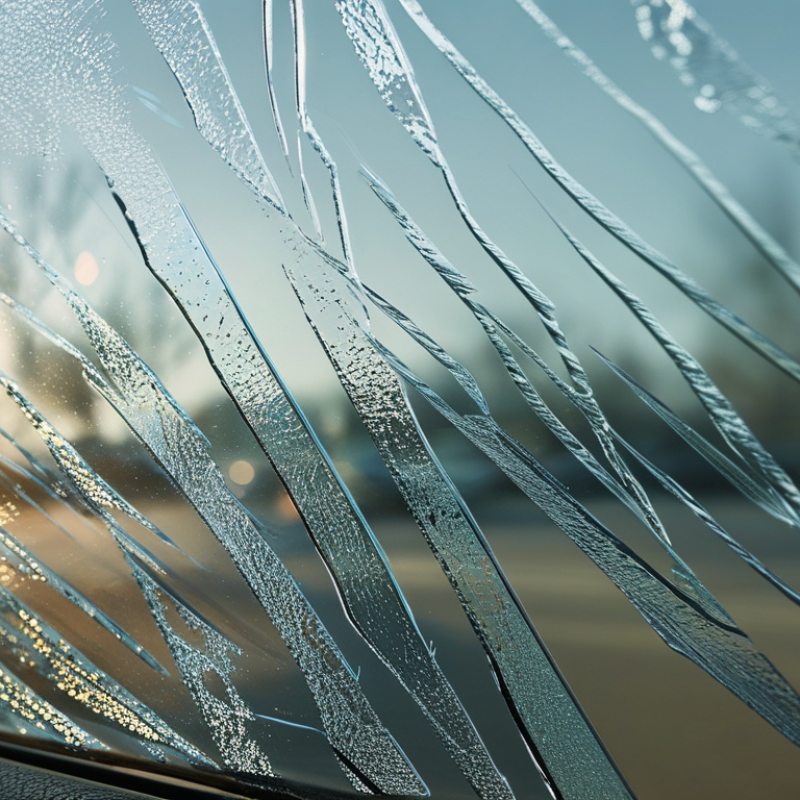
How to Choose Auto Glass With UV Protection?

Understanding UV Protection in Auto Glass

Understanding UV Protection in Auto Glass

Ultraviolet radiation reaches your vehicle through the glass, even on cool or cloudy days. UVA can pass through some windows and contribute to skin aging and interior fading. UVB is more strongly blocked by standard windshield construction. Windshields usually use laminated glass, with a plastic layer between two glass sheets. This structure can provide meaningful UV protection, but side and rear windows may perform differently.

I once assumed darker glass always offered better protection. That was incorrect. Tint mainly reduces visible light and heat, while UV performance depends on the glass composition or applied treatment. Check the vehicle glass markings and the manufacturer’s technical information. Reliable figures should show ultraviolet transmission, not simply describe the glass as “protective.” An experienced installer can also inspect edge damage, sealing quality, and optical distortion. Small distortions near the driver’s view should not be ignored.

Tips: Compare UV transmission data before choosing replacement glass. Ask whether protection covers both UVA and UVB wavelengths. Test the fit, clarity, and seal after installation. Keep the documentation for future replacement decisions. Protection can vary between windows, and assumptions often cost more than careful checking.

How to Choose Auto Glass With UV Protection?

Laminated auto glass generally provides stronger ultraviolet protection than standard tempered glass. The values below show typical UV radiation blocked by different vehicle glass positions. Actual performance varies by glass composition, tint, coating, and vehicle design.

Comparing Glass Types, Coatings, and UV Blocking Levels

How to Choose Auto Glass With UV Protection?

When comparing auto glass, start with the glass type, not its shade. Laminated windshields contain a plastic interlayer that naturally blocks most UVB and much UVA. Side and rear windows are often tempered, which may provide less UV protection unless treated. Laminated side glass can improve protection, but it may cost more and require vehicle-specific fitting.

Coatings and films offer another layer of defense. A UV-absorbing coating is applied during manufacturing, while a window film is added afterward. Film quality varies, so ask for documented UV blocking levels rather than accepting “UV resistant” on a label. Some products block more than 99% of UV radiation, but performance depends on installation, glass thickness, and testing methods. A small gap near the edge can reduce practical coverage.

Check the technical sheet.

Visible darkness is not proof of UV protection. A clear window may block more UV than a heavily tinted one. In a real vehicle, pay attention to fading on seats, dashboard surfaces, and door panels; these details can reveal uneven protection over time. Ask the installer whether the windshield and side glass use different materials. They often do. I once treated matching appearance as matching performance, which was a poor assumption. Confirm the measured UVA and UVB levels, warranty conditions, and whether the coating can be damaged by ordinary cleaning. Some claims sound precise but remain difficult to verify.

Checking Vehicle Compatibility and Safety Standards

How to Choose Auto Glass With UV Protection?

Choosing auto glass begins with vehicle compatibility, not appearance. Check the exact model year, body style, and glass position. Windshields can differ between similar vehicles. Features may include rain sensors, heating elements, antennas, or camera mounts. A correct fit must support every connection and sensor. Ask a qualified glass technician to verify the vehicle identification details. A quick visual match is not enough.

Safety standards matter equally. Select glass with recognized certification markings for your region. The glass should meet required standards for strength, visibility, and impact performance. UV protection should also be confirmed in the product specifications. Windshields commonly provide strong UV filtering, but side and rear windows may vary. If an advanced driver-assistance camera is mounted behind the windshield, replacement may require calibration. Without calibration, safety functions might respond inaccurately. That risk is easy to underestimate.

Tips: Compare the glass part number with your vehicle records. Check whether tint levels meet local requirements. Confirm that the installer uses compatible adhesive and allows proper curing time. Inspect the finished glass from inside the cabin. Look for distortion, trapped air, or unclear sensor areas. Keep the paperwork showing certification and installation details. No checklist is perfect. Still, careful checking prevents avoidable problems.

Evaluating Tint, Clarity, Durability, and Heat Control

When I inspect auto glass, I start with UV performance, not darkness. A darker tint does not automatically block more ultraviolet radiation. Ask for measured UV transmission data from the installer or glass supplier. For windshields, laminated construction usually offers better UV filtering than basic side glass. Still, specifications vary. Check the glass label and documentation.

Clarity matters during night driving, rain, and low winter sunlight. Look through the glass at straight lines, signs, and distant headlights. Wavy reflections can signal optical distortion, even when the surface looks clean. Select a tint with even color and no visible haze. A reliable professional should explain the film’s scratch resistance, adhesive quality, and expected service life. I have learned that cheap installation often reveals itself at the edges first. Bubbling, lifting, or trapped dust should not be accepted as normal.

Heat control requires more than a dark appearance. Infrared rejection, solar energy rejection, and cabin temperature data provide a clearer comparison. On a parked car, good glass can make the steering wheel less painful to touch. Yet results depend on climate, vehicle angle, and air-conditioning use. Ask for test results under comparable conditions. I would also check local visibility requirements before choosing a darker shade. My own mistake was judging comfort after one cool afternoon. A week of mixed weather gave a more honest answer.

Selecting a Qualified Installer and Maintaining UV Protection

Choosing UV-protective auto glass is only half the job. The installer also affects its performance and safety. Look for technicians with relevant training, clear service records, and written warranty terms. Ask how they verify the glass specification and UV rating. Confirm whether the protection comes from the glass construction, a coating, or an added film.

A qualified technician should explain the process before removing the old glass. They should inspect the frame for rust, distortion, or previous adhesive damage. Proper preparation matters. The glass must sit evenly, without visible gaps or pressure points. Ask whether the vehicle requires camera or sensor calibration after installation. A rushed fitting can affect visibility, sealing, and driving-assistance systems. Do not accept vague answers.

Maintenance starts during the first few hours. Follow the installer’s curing instructions, even if the glass looks completely dry. Keep the interior away from sharp objects that could scratch a protective film. Use a soft microfiber cloth and a cleaner labeled safe for automotive glass. Avoid abrasive pads and harsh chemicals, especially near film edges. Small marks deserve attention. Inspect the edges every few months for lifting, bubbles, or moisture. I have learned that cleaning too aggressively can damage protection faster than ordinary road dust. If visibility changes or the glass develops unusual haze, request a professional inspection instead of guessing. Keep the installation paperwork and product details; they make future checks more reliable.

How to Choose Auto Glass With UV Protection? - Selecting a Qualified Installer and Maintaining UV Protection

Selection or Maintenance Dimension What to Look For Why It Matters Practical Verification
Glass position Confirm whether the glass is a windshield, front side window, rear side window, or backlight. Different locations use different glass constructions and may provide different levels of ultraviolet protection. Ask the installer to identify the exact glass position and specification on the quotation.
Laminated construction Prefer properly specified laminated glass where the vehicle design calls for it, especially for the windshield. Laminated glass contains a plastic interlayer that can contribute substantially to UV filtering and helps retain glass fragments after impact. Check the glass marking and request the product technical sheet rather than relying only on a sales description.
UV protection claim Look for a stated ultraviolet transmission or blocking result covering both UVA and UVB ranges. A general “UV protected” statement may not explain the tested wavelength range or performance level. Request written test data, a compliance document, or a manufacturer specification showing the UV performance.
Windshield UV performance A quality laminated windshield commonly provides very high UVB blocking and substantial UVA reduction, but the exact result varies by glass and interlayer. UV performance is not identical for every replacement windshield, even when the glass looks similar. Compare the stated UV transmission value with the original-equipment requirement for the vehicle.
Side and rear windows Check whether the glass is tempered or laminated and whether it includes an integrated UV-filtering layer or coating. Many side and rear windows use tempered glass, whose UV performance can differ from laminated glass. Do not infer UV protection from dark appearance alone; verify the specification for each window.
Visible light transmission Select a visible-light transmission level that complies with local vehicle-glazing laws, especially for front side windows and the windshield. Dark tint does not automatically mean better UVA protection and may reduce visibility or create legal issues. Ask for the measured visible-light transmission percentage and check the applicable road regulations.
Vehicle compatibility Choose glass designed for the exact vehicle year, model, body style, sensors, cameras, heating elements, and mounting system. Incorrect glass can interfere with fit, visibility, rain sensors, antennas, heating functions, or driver-assistance systems. Provide the vehicle identification details and confirm all required features before installation.
Safety compliance Use automotive glass that meets the safety standards required in the installation location. Automotive glazing must meet requirements for strength, optical quality, fragmentation, and light transmission. Inspect the permanent glass marking and request compliance documentation when necessary.
Installer qualifications Choose an installer with documented automotive-glass training, suitable equipment, and experience with the vehicle type. Correct preparation, adhesive application, alignment, and curing are essential to structural and weather performance. Ask about training records, installation procedures, warranty terms, and post-installation inspection.
Driver-assistance calibration Confirm whether the vehicle requires camera or sensor calibration after windshield replacement. A replacement windshield can alter the position or optical path of forward-facing cameras and sensors. Obtain a calibration report or confirmation that the required static or dynamic procedure was completed.
Glass surface care Clean with a soft microfiber cloth and an automotive-safe, non-abrasive glass cleaner. Abrasive pads, harsh chemicals, and contaminated wiper blades can scratch or damage coatings and the glass surface. Follow the care instructions supplied with the glass and avoid abrasive polishing unless professionally approved.
Window films and coatings If additional film or coating is used, select a product with documented UVA and UVB performance and vehicle-glass compatibility. A film can supplement protection, but poor installation may cause bubbles, haze, peeling, or interference with sensors and defrosters. Review the technical data, installation warranty, legal light-transmission limits, and curing instructions.
Post-installation inspection Check for optical distortion, chips, scratches, adhesive gaps, wind noise, water leaks, and correct trim placement. Visible defects or installation gaps can indicate poor workmanship and may affect safety or durability. Inspect the glass in daylight before accepting the vehicle and report defects promptly under the installation warranty.
Long-term UV protection Maintain the original glass, interlayer, coating, or properly installed film; UV performance should not be assumed after unapproved repairs or modifications. Protection depends on the condition and construction of the glazing system, not simply on its color or age. Replace severely damaged glass and consult the installer before applying polishing compounds, coatings, or aftermarket film.

FAQS

Does darker auto glass provide stronger UV protection?

Not necessarily. Tint mainly reduces visible light and heat. UV protection depends on glass composition, coatings, or film. I once assumed dark glass was safer, but that was wrong.

Which vehicle windows usually block the most ultraviolet radiation?

Laminated windshields usually block substantial UVB and much UVA. Side and rear windows may block less. Their performance varies.

How can I compare UV protection between replacement windows?

Check measured UVA and UVB transmission data. Do not rely only on “UV protective” wording. Ask for the technical sheet and keep it.

Can a clear window block more UV than a dark window?

Yes. A clear window may offer stronger UV blocking than heavily tinted glass. Darkness alone proves very little.

Do window films provide reliable UV protection?

Some films block over 99% of ultraviolet radiation. Results depend on installation, glass thickness, and testing methods. Small edge gaps can reduce coverage.

What should I inspect after auto glass installation?

Check the fit, seal, clarity, and edges. Look for bubbles, lifting, trapped dust, or wavy reflections. These problems should not feel normal.

Why does optical clarity matter when choosing protected auto glass?

Distortion can bend straight lines or blur distant headlights. Test the glass during rain, darkness, and low sunlight. Small distortions near the driver’s view deserve attention.

Does UV-protective glass also control cabin heat?

UV blocking and heat control are different measurements. Compare infrared rejection, solar energy rejection, and cabin temperature data. One cool afternoon fooled me once. A full week gave a better answer.

Conclusion

Choosing auto glass with UV protection starts with understanding how it helps reduce exposure to ultraviolet rays, which can contribute to interior fading, material damage, and skin discomfort. The question “What is UV protection function of auto glass” refers to the glass’s ability to filter harmful UVA and UVB radiation while maintaining safe visibility. Different glass types, protective coatings, and blocking levels offer varying performance, so buyers should compare specifications carefully. It is also important to confirm that the glass is compatible with the vehicle’s design, sensors, cameras, and safety systems.

Beyond UV performance, consider tint level, optical clarity, durability, glare reduction, and heat control. Excessive tint may affect visibility, while quality glass should provide balanced protection without creating distortion. Professional installation is essential because incorrect fitting can reduce sealing, structural support, and overall safety. Choose a qualified installer who follows recognized safety requirements and uses suitable materials. Regular cleaning, careful inspection, and prompt attention to chips or edge damage can help preserve both the glass and its UV protection over time.

Isabella

Isabella

Isabella is a dedicated marketing professional with a sharp focus on driving brand growth and engagement through strategic content creation. With an extensive background in digital marketing, she combines her passion for storytelling with her keen understanding of industry trends to deliver......