As we look towards 2026, the demand for quieter cabin environments is growing. Passengers and occupants seek comfort in minimizing noise pollution. This has led to significant advancements in sound insulation techniques. The ability to optimize sound insulation effect for quieter cabin environments is now more crucial than ever.
Various materials and design strategies play a vital role. For example, using acoustic panels can effectively dampen sound waves. Additionally, selecting specialized windows can lower external noise. It is essential to continuously assess these solutions for their effectiveness. Different environments will require tailored approaches.
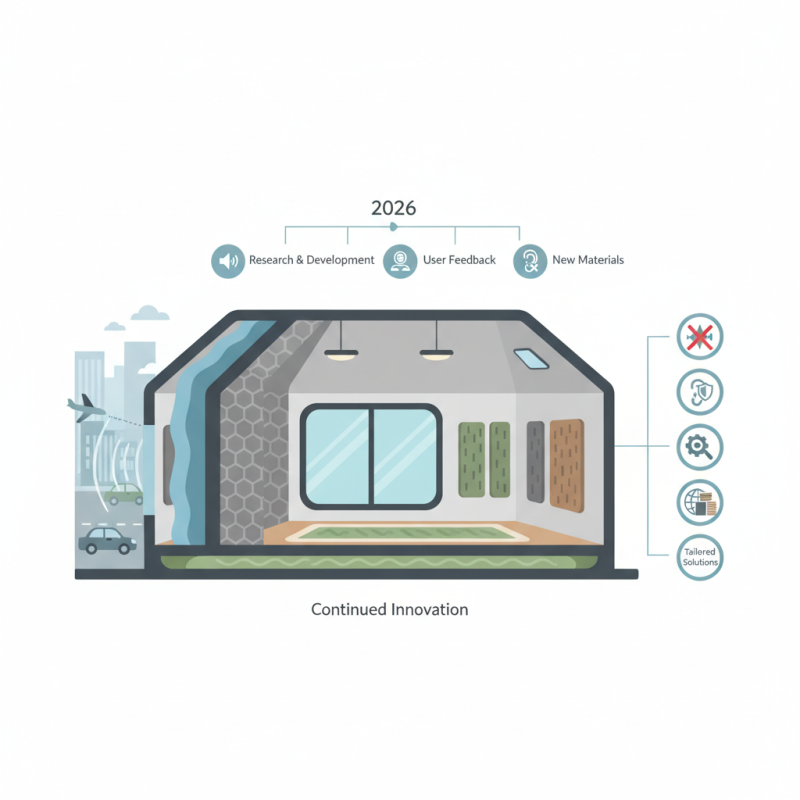
However, achieving perfect sound insulation remains a challenge. Even with advanced technologies, some noise often escapes. This prompts ongoing reflection on existing methods. Recognizing that there is no one-size-fits-all solution is crucial. Continued innovation and user feedback will guide improvements. By addressing these complexities, we can work towards creating the quiet cabins of the future.
Sound insulation is crucial for creating quieter cabins. The right materials can significantly enhance the listening experience. According to recent industry reports, soundproofing can reduce noise exposure by up to 80%. This makes a noticeable difference in comfort and focus.
When selecting materials, consider mass-loaded vinyl. It provides excellent sound-dampening qualities. Acoustic foam is another effective option for reducing echoes. Both materials are versatile and easy to work with, making them ideal for cabin designs. A combination of soft and hard materials often yields the best results.
Tips: Always test materials before full installation. Look for samples that demonstrate acoustic performance. Also, assess your design layout to ensure soundproofing is maximized. Remember, reflection and absorption are key factors in sound insulation. Balancing these elements will lead to better outcomes.
Installing sound insulation in vehicles is essential for creating a quieter driving experience. Effective techniques can significantly reduce noise levels, making every journey more enjoyable. Start with assessing your vehicle's interior. Identify possible noise entry points like doors, windows, and the engine compartment. Target these areas for insulation installation.
Use materials such as mass-loaded vinyl, foam, or acoustic mats for optimal results. When applying insulation, ensure a snug fit. This step is key to preventing sound leaks. Cover the entire area around speaker systems and air ducts. Regularly check for wear and tear on insulation materials. Over time, they may degrade and require replacement.
Consider experimenting with various insulation methods. Each vehicle has unique noise challenges. What works for one model might not suit another. Be prepared to adapt your approach. This may lead to unexpected issues. Embrace the process of finding the right balance. Continuous improvement will yield the best outcomes for quieter cabins.
| Technique | Material Used | Effectiveness | Cost (per vehicle) |
|---|---|---|---|
| Acoustic Foam Panels | Polyurethane Foam | High | $200 |
| Mass Loaded Vinyl (MLV) | Vinyl Material | Very High | $150 |
| Sound Deadening Mats | Butyl Rubber | High | $100 |
| Optimized Door Seals | EPDM Rubber | Medium | $50 |
| Insulated Windshields | Laminated Glass | Very High | $300 |
Creating a quiet cabin starts with thoughtful design. Cabin interiors can benefit vastly from sound-absorbing materials. These materials can reduce noise effectively without compromising aesthetics. Integrating features like
thick carpets and soft furnishings can make a significant impact. But remember, achieving the ideal balance is often challenging.
Tips for optimization:
Consider varying textures in your design. Different materials interact with sound waves differently. Wood, fabric, and foam can work together to create barriers against noise. Using acoustic panels on walls can also enhance both aesthetics and sound absorption.
Watch out for potential visual clutter. An overly busy space might detract from the overall calming effect.
Lighting choices matter too. Soft, indirect lighting can soften a cabin’s ambiance. It may help in reducing a feeling of noise. Look into natural versus artificial light. Large windows can invite peaceful views but can also let sound in.
The trade-offs here require careful thought. Engaging in reflection is vital, as sometimes less is more when aiming for tranquility.
Sealing and gasketing play crucial roles in optimizing sound insulation for quieter cabins. According to industry reports, approximately 60% of unwanted noise enters through gaps and joints. Effective sealing methods can dramatically reduce sound transmission.
One effective approach involves using high-quality foam seals. These seals can compress and adapt to irregular surfaces, minimizing air leaks. The sound transmission class (STC) rating can improve by up to 10 points with proper sealing, significantly enhancing overall noise reduction. Regular maintenance of these seals is vital. Over time, wear and tear can compromise their effectiveness, leading to increased noise levels.
Gasketing also contributes to sound insulation performance. When installed correctly, gasketing materials create a barrier that dampens vibrations. The right gasketing can reduce noise by 5-7 decibels. However, improper installation can result in gaps, ultimately reducing the desired effect. Keeping kinks or tears in mind is crucial during installation.
Addressing and improving sealing and gasketing methods is essential for achieving quieter cabin environments. The focus should be on both the materials used and the precision of installation. Continuous evaluation of these factors will optimize sound insulation performance.
To achieve quieter cabins in vehicles, innovative soundproofing solutions are key. The pursuit of advanced sound insulation techniques is vital for enhancing comfort. Technologies such as sound absorbing materials, vibration dampening systems, and acoustic barriers play a significant role in reducing noise levels.
Tips: Consider using multi-layered materials. These can be placed in walls and ceilings to trap sound. Furthermore, specialized foams can absorb sound effectively. Pay attention to installation, as gaps can diminish the effectiveness of insulation.
Engineers are exploring new materials, like bio-based composites. These not only reduce noise but also lower environmental impact. However, it’s essential to assess their durability. Soundproofing solutions must withstand wear over time.
Tips: Test different materials during the prototyping phase. This can help identify what works best for your vehicle design. Remember that some solutions may add weight, which could affect performance. Stay flexible and open to adjustments based on real-world testing.
: Sound insulation reduces noise levels, enhancing the driving experience. A quieter cabin makes every journey more enjoyable.
Assess the interior carefully. Focus on areas like doors, windows, and the engine compartment where noise may enter.
Use materials like mass-loaded vinyl, foam, or acoustic mats. A snug fit is vital to prevent sound leaks.
Sealing reduces noise by blocking gaps and joints. High-quality foam seals adapt to surfaces and minimize air leaks.
Proper sealing can increase the STC rating by up to 10 points, enhancing overall noise reduction significantly.
Regularly check for wear and tear on insulation. Old materials may need replacement to maintain soundproofing effectiveness.
Regular maintenance is crucial. Compromised seals can lead to increased noise levels over time, diminishing performance.
Different vehicle models have unique challenges. Solutions that work for one may not work for another, requiring adaptability.
Improper installation creates gaps, which greatly reduce the desired soundproofing effect. Careful installation is essential.
Regular evaluation and adaptation of methods are key. Embrace the trial-and-error process for optimal sound insulation results.
In the pursuit of creating quieter cabin environments, optimizing sound insulation effect is crucial. This involves selecting the best materials tailored for sound insulation, which play a significant role in minimizing noise intrusion. Various effective techniques for installing these materials can enhance the overall performance of soundproofing within vehicles.
The design aspect also contributes significantly to noise reduction, as thoughtful layout and material selection can further fortify sound insulation. Moreover, the impact of sealing and gasketing is essential for maintaining sound integrity, ensuring there are no gaps for noise to penetrate. Lastly, innovative technologies continuously emerge, offering advanced solutions for soundproofing that promise to optimize sound insulation effect for a quieter cabin environment, ultimately enhancing the driving experience.

AGS Glass