Automotive glass installation is a critical process. It requires precision and attention to detail. To ensure safety and performance, one must optimize installation accuracy and fit for automotive glass. This is essential for maintaining the structural integrity of vehicles.
The techniques for achieving optimal installation are numerous. Proper training and experience are vital. Hands-on practice with the right tools can make a significant difference. Innovative technology also plays a role. Advanced sensors and alignment systems are available to aid technicians. However, challenges still exist. Many installers might overlook small imperfections that can affect overall performance.
Reflecting on past practices can lead to improvement. Regular assessments and adjustments in techniques can enhance accuracy. Engaging experienced professionals for training can also increase reliability. Striving for perfection is essential, yet understanding that mistakes happen is part of growth. By focusing on these aspects, one can significantly improve installation accuracy and fit for automotive glass.
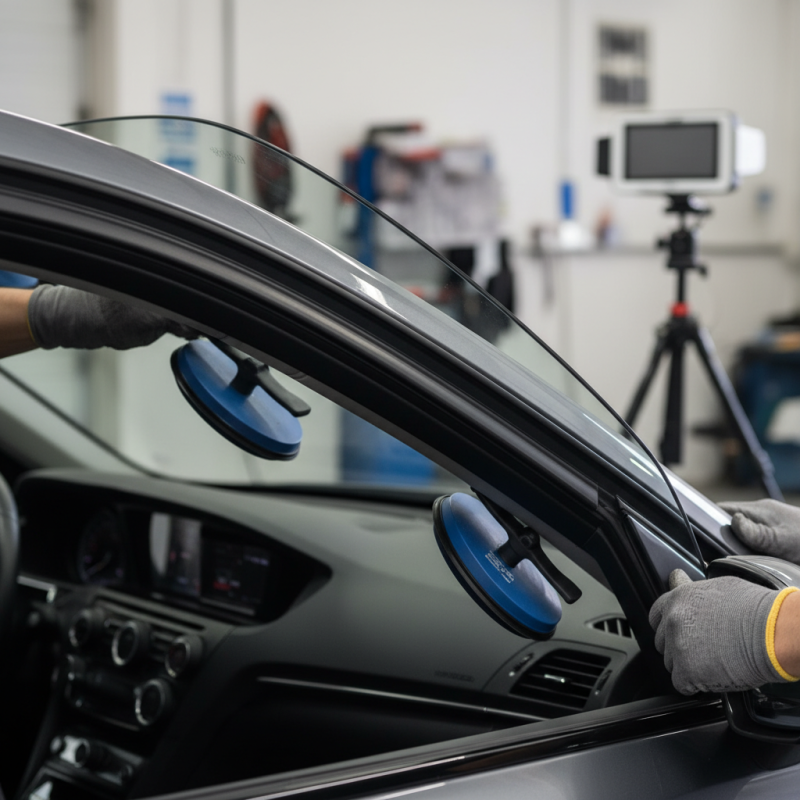
When it comes to automotive glass installation, precision is paramount. Accurate measurements ensure a proper fit, improving safety and aesthetics. According to industry reports, up to 80% of installation errors stem from inaccurate measurements. Thus, implementing precise measurement techniques is critical for professionals.
One effective tip is to utilize laser measurement tools. These tools can provide accurate readings within millimeters, significantly reducing the margin for error. Additionally, consider the environmental factors such as temperature and humidity. Variations can affect glass dimensions. A professional should adapt methods based on these conditions to maintain accuracy.
Another approach involves using templates. Creating physical templates from existing frames can help installers visualize the correct fit. However, relying solely on templates can lead to complacency. It's essential to double-check measurements even when templates are used. Regular training on measurement techniques can enhance skill levels across teams. As reported in recent surveys, consistent training leads to a 30% improvement in installation accuracy.
Installing automotive glass with optimal accuracy is not just an art; it's a science that demands diligence. Making the effort to adopt these techniques can yield significant benefits in the long run.
The chart above illustrates the effectiveness of various techniques in optimizing installation accuracy for automotive glass in 2026. Laser measurement shows the highest accuracy at 95%, making it a recommended method for precise installations.
Surface preparation is crucial for ensuring the optimal adhesion of automotive glass. A clean surface promotes better bonding, which is essential for durability and safety. Contaminants like dust, grease, and moisture can compromise adhesion. Therefore, a thorough cleaning process is non-negotiable. Each installation should begin with inspection and cleaning, using appropriate solvents and tools.
Proper preparation involves more than just cleaning. The surface must be roughened to enhance adhesion. This can be achieved through sanding or using specific abrasives. However, it's essential to balance roughening; too much can cause stress points. Additionally, environmental conditions play a role. Humidity or temperature fluctuations can affect the curing process of adhesives. Installers must be adaptable, adjusting their methods based on real-time observations.
Mistakes can happen during installation. For example, overlooking small debris may lead to future issues. It’s vital to remain diligent and reflect on each step of the process. Regular training can help maintain high standards. Each installer should know that surface preparation is not just a step, but a commitment to quality and safety.
Aligning automotive glass during installation is crucial for ensuring vehicle safety and performance. Accurate alignment reduces the risk of leaks, wind noise, and compromised structural integrity. Industry studies show that improper installation can lead to safety issues, contributing to approximately 70% of auto glass-related claims. Technicians must be trained to use specialized tools like alignment jigs and digital measuring devices to achieve precision.
Taking time to prepare the vehicle is essential. Clean surfaces thoroughly to ensure proper adhesion. A clean space also helps prevent dust and debris from affecting the seal. Additionally, using adhesive that meets industry standards is important for lasting hold. Studies indicate that improper adhesive application is linked to 30% of installation failures, highlighting the need for careful technique.
Regular training sessions can help technicians stay updated on best practices. However, not all professionals have access to ongoing education. Misalignment may still occur due to lack of experience or oversight. Sharing knowledge among teams creates a culture of excellence. Optimizing installation accuracy is a shared responsibility that requires attention to detail and a commitment to quality in every step of the process.
The automotive industry faces increasing pressure to improve installation accuracy for glass components. Studies show that improper installation can account for over 30% of warranty claims related to windshield issues. Utilizing technology can significantly mitigate these challenges. For instance, advanced adhesive systems now provide better initial tack and increased flexibility, fostering stronger bonds that reduce the chances of air leaks.
Incorporating augmented reality (AR) into installation processes is a promising avenue. Technicians can use AR to visualize the correct installation parameters. A report from a leading industry consortium indicates that companies using AR technology saw a reduction in misalignment errors by up to 25%. However, the technology is not flawless; users must be adequately trained to interpret AR data effectively, highlighting the need for continuous education.
Moreover, AI-based quality control systems can monitor installations in real-time. These systems analyze data to detect discrepancies immediately. Yet, reliance on technology can be a double-edged sword. If the technology fails or is incorrectly calibrated, it can result in costly errors. The industry must strike a balance between leveraging technology and honing human expertise.
| Method | Technology Used | Expected Accuracy Improvement (%) | Implementation Cost (USD) | Notes |
|---|---|---|---|---|
| 3D Measurement Systems | Laser Scanners | 30% | $10,000 | High precision but high cost |
| Automated Alignment Tools | AI Algorithms | 25% | $7,500 | Improves time efficiency |
| Augmented Reality Training | AR Headsets | 20% | $5,000 | Enhances skill level of workers |
| Precision Adhesives | Smart Glue Technologies | 15% | $2,000 | Cost-effective solution |
| Remote Monitoring | IoT Sensors | 10% | $3,500 | Real-time data access |
Training and skill development for automotive glass installers are crucial to ensure accuracy in installation. According to recent industry reports, improper installation can lead to safety hazards. In fact, nearly 15% of vehicle accidents result from poor glass integrity. Ongoing training can largely mitigate these risks.
Hands-on experience is vital. Installers should practice on a variety of vehicles to become familiar with different glass types and technologies. Skill assessments at regular intervals can help identify areas for improvement. Workshops featuring expert technicians can also provide valuable learning opportunities. Some training programs report a 30% increase in installation accuracy after participants engage in hands-on workshops.
Incorporating technology into training is another key strategy. Virtual reality simulations can offer a safe environment for practice. These tools allow installers to experience scenarios they may not encounter frequently. However, reliance on digital tools should not replace classic methods. Continuous feedback from fieldwork remains essential to refine skills. Balancing traditional techniques with innovative training methods will enhance overall performance in automotive glass installation.
: Proper alignment ensures vehicle safety and performance. It prevents leaks and wind noise, maintaining structural integrity.
About 70% of auto glass-related claims arise from misalignment, leading to safety concerns and reduced vehicle performance.
Regular training and hands-on experience are essential. Workshops with experts can enhance techniques and accuracy significantly.
Specialized tools like alignment jigs and digital measuring devices help achieve precision during the installation process.
Cleaning surfaces thoroughly is necessary for proper adhesion. Dust can compromise the seal, leading to installation failures.
Not all professionals access continuous training. Without proper education, mistakes can happen due to lack of experience or oversight.
About 30% of installation failures are linked to poor adhesive techniques. This highlights the importance of using quality products.
Practicing on diverse vehicles helps installers understand various glass types, improving their installation accuracy over time.
Yes, virtual reality simulations offer safe practice scenarios. However, they should complement traditional methods, not replace them.
Relying solely on digital tools can be misleading. Real-world experiences and feedback are crucial for skill refinement.
In the evolving landscape of the automotive industry, optimizing installation accuracy and fit for automotive glass is crucial for ensuring safety, durability, and overall vehicle performance. Key techniques for precise measurement during installation include the use of advanced tools and methodologies that allow for accurate alignment and fitment of glass components. Additionally, the importance of thorough surface preparation cannot be overstated, as it significantly enhances the adhesion properties of the adhesives used in the installation process.
Best practices for aligning automotive glass further contribute to achieving optimal installation accuracy, ensuring that the glass is positioned correctly to avoid future complications. The integration of technology, such as computerized alignment systems, also plays a significant role in enhancing installation accuracy. Lastly, investing in training and skill development for automotive glass installers ensures that industry professionals are equipped with the necessary expertise to perform installations with the highest precision, ultimately optimizing installation accuracy and fit for automotive glass.

AGS Glass