How long does auto glass last? Many drivers expect one fixed number, but real-world durability is less predictable. The question “What is the lifespan of auto glass” depends on glass type, installation quality, climate, road conditions, and vehicle use. A professionally installed windshield may remain serviceable for many years, while a small stone chip can quickly become a long crack. Side and rear windows often last longer because they experience different stresses. Still, age alone does not decide safety.
This guide presents the top 10 answers to how long auto glass lasts, based on practical inspection points and established automotive glass knowledge. It explains how temperature changes, vibration, moisture, wiper damage, and poor sealing affect performance. Picture a windshield facing freezing mornings, blazing sunlight, gravel roads, and constant cabin pressure. Those details matter. So does the quality of the original glass and adhesive.
There is no perfect expiration date. That answer sounds simple, but it can mislead. A ten-year-old windshield may remain clear and firmly bonded, while a newer one may need attention after impact damage. The most reliable approach combines visible condition, professional assessment, and the manufacturer’s guidance. Look for spreading cracks, deep chips, cloudy edges, leaking seals, or distracting glare. Small defects can be easy to dismiss. That is where judgment sometimes fails. This overview offers practical answers without promising certainty, helping drivers understand when auto glass may still be dependable and when a qualified technician should inspect it.
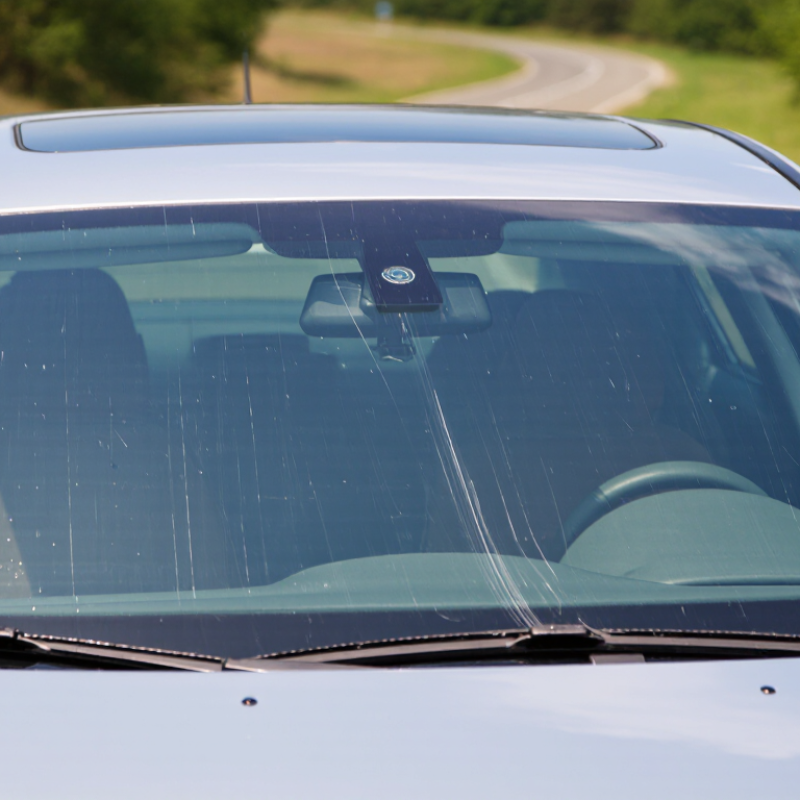
Auto glass can last for many years, but its lifespan depends on more than age. A windshield sheltered in a garage may remain clear longer than one exposed to daily heat, grit, and freezing mornings. Road vibration also matters. Small stress points can slowly spread, especially near the windshield edge. In my experience inspecting damaged glass, neglected chips are often more decisive than the calendar. A tiny impact can become a long crack after one cold night. It happens quickly.
Glass quality, installation, and vehicle design all influence durability. Properly fitted glass should sit evenly within its seal, without gaps, lifting, or unusual wind noise. The bonding material must cure correctly before the vehicle is driven normally. Poor alignment can create pressure that encourages cracking. Wiper blades and cleaning habits matter too. A worn blade may drag sand across the surface, leaving fine scratches that scatter sunlight. That detail is easy to miss. Yet it affects visibility.
Temperature changes are another major factor. Pouring hot water onto frosted glass can create sudden thermal stress. Direct sunlight can also heat one area unevenly, particularly when a dark object covers part of the windshield. Hail, gravel, harsh cleaners, and repeated door slamming add further strain. Regular inspections help identify chips, cloudy edges, loose seals, or distortion before they worsen. A qualified glass technician can assess whether repair remains suitable or replacement is safer. No fixed expiration date exists. Each vehicle tells a different story.
Different auto glass types age in different ways. A laminated windshield usually lasts 5–15 years, but harsh weather, road debris, and poor installation can shorten that period. The Auto Glass Safety Council explains that laminated glass keeps its inner layer after impact. However, a small chip can spread across the driver’s view within weeks. NHTSA’s FMVSS No. 205 also requires safety glazing to meet visibility and retention standards.
Side windows usually use tempered glass. They often last as long as the vehicle, commonly 10–20 years, unless a door impact or repeated temperature shock causes failure. Rear windows can also last for the vehicle’s service life. Their heating wires create another weak point. Scratches, loose connections, or damaged seals may reduce performance before the glass actually breaks. For panoramic roofs, service life varies widely. Framing, heat, and water pressure matter more than age alone. These estimates are useful, not exact. Real cars behave differently.
Tips: Inspect chips monthly. Replace glass when cracks reach the edge or block critical sightlines. Ask for installation records, correct glass markings, and a documented curing time. Industry repair guidance emphasizes proper bonding because windshield glass supports crash protection. A 2023 IIHS review also linked windshield installation quality with airbag and roof-crush performance. That detail is easy to overlook.
Typical service-life ranges under normal driving and weather conditions
Auto glass has no fixed expiration date. Laminated windshields commonly last about 8–15 years, while tempered side and rear windows may last 10–20 years. Sunroofs can often last 10–20 years. Severe impacts, chips, scratches, seal failure, temperature changes, and reduced visibility can require replacement much sooner.
Auto glass has no fixed expiration date. Its service life depends on heat, road debris, vibration, and installation quality. The first warning sign is a crack that reaches the windshield edge. Edge cracks spread quickly because the glass carries constant structural stress. A long crack can also interfere with the driver’s view. Do not ignore it.
Small chips may be repairable, but location matters. Damage directly in the driver’s viewing area can create glare, especially under low sunlight or rain. Multiple impact points are another concern.
According to the Auto Glass Safety Council’s repair guidance, cracks longer than six inches often require replacement, although technicians must assess each case. The Council also stresses correct bonding and safe-drive-away procedures after installation.
Watch for leaks, wind noise, loose trim, or visible movement around the glass. These signs may indicate failed bonding rather than old glass. A 2023 Insurance Institute for Highway Safety technical review highlights the windshield’s role in roof strength and occupant protection during crashes.
Modern vehicles may also use cameras behind the glass. After replacement, calibration can be necessary. That step is easy to overlook. A qualified technician should inspect the damage, check the installation, and explain the evidence before recommending replacement.
Auto glass has no fixed expiration date. Its lifespan depends on temperature swings, road impact, and maintenance. Industry safety guidance commonly states that the windshield supports about 45% of cabin strength in a frontal crash and nearly 60% during a rollover. That role makes small damage more important than it looks.
Weather works slowly.
Rapid heating can expand a cold windshield and enlarge a tiny chip. Freezing conditions may push moisture deeper into a crack. NOAA climate records show that many regions now experience more frequent extreme heat events, increasing thermal stress on exposed glass. Sunlight also weakens surrounding seals over time. Park in shade when possible. Never pour hot water on icy glass.
Driving creates sharper risks.
The Federal Highway Administration recorded more than 3.2 trillion vehicle-miles traveled in the United States during 2022. Every mile adds exposure to gravel, dust, vibration, and poorly maintained roads. A safe following distance helps reduce impact damage, especially behind trucks. Keep wipers clean, because grit can create fine scratches across the viewing area. Replace worn blades.
Maintenance is not cosmetic.
Inspect chips after washing and avoid harsh pressure near damaged edges. A technician should assess cracks that reach the border or obstruct the driver’s view. I used to think glass failed suddenly. That assumption was too simple. Small neglect often starts the problem.
Auto glass can last for years when damage is absent, but age alone does not decide its safety.
A small chip may qualify for repair if it is outside the driver’s viewing area, away from the edge, and not spreading. The Auto Glass Safety Council’s AGRSS Standard emphasizes inspection, correct materials, and qualified installation.
Repair quickly. Heat, cold, vibration, and road movement can turn a tiny chip into a long crack.
Replacement becomes the safer choice when a crack reaches the windshield edge, crosses the driver’s sightline, or affects multiple layers. Deep damage, severe pitting, and loose glass also require attention.
The National Highway Traffic Safety Administration identifies the windshield as part of the vehicle’s occupant-protection system. Federal Motor Vehicle Safety Standard 212 also requires windshield retention during crashes.
That is not merely cosmetic.
Modern windshields may hold cameras or sensors for emergency braking and lane assistance. A 2021 AAA Foundation report found that improperly calibrated driver-assistance systems can create serious safety concerns after windshield work.
Calibration may be necessary after replacement, depending on the vehicle. Ask for documented inspection results. Do not judge only by appearance.
I have seen “small” damage worsen overnight, although repair decisions still depend on location, depth, and vehicle design. The honest answer is sometimes less convenient: replacement costs more, but delaying it can create a larger safety problem.
Auto glass has no fixed expiration date. It may last for many years without damage. Temperature, road debris, vibration, and maintenance affect durability. Age alone does not decide safety.
Yes. Rapid heating can expand cold glass and enlarge a small chip. Freezing temperatures may push moisture deeper into cracks. Never pour hot water on icy glass.
Choose shade when possible. Strong sunlight heats glass and weakens surrounding seals over time. Avoid sudden temperature changes after freezing nights.
Gravel, dust, vibration, and rough roads create repeated impact risks. Keep extra distance behind trucks. A loose stone can leave a small chip in seconds.
Yes. Grit trapped under wiper blades can create fine scratches across the viewing area. Clean the blades regularly. Replace worn blades.
Repair may work when the chip is small, stable, and outside the driver’s viewing area. It should also sit away from the edge. Do not wait unnecessarily.
Replacement may be needed when a crack reaches the edge or crosses the driver’s sightline. Deep damage, severe pitting, or loose glass also requires assessment. Appearance alone is not enough.
Some windshields contain cameras or sensors for safety features. Replacement may require calibration afterward. Ask for documented inspection results. I once thought glass failed suddenly. That assumption was too simple. Small neglect can start a larger problem.
What is the lifespan of auto glass? In general, properly installed auto glass can last for many years, but its durability depends on glass quality, installation accuracy, vehicle use, weather exposure, road conditions, and maintenance. Windshields, side windows, and rear windows may age differently because they serve different structural and functional purposes. Frequent temperature changes, strong sunlight, moisture, gravel, rough roads, and sudden impacts can gradually weaken or damage the glass.
Drivers should watch for chips, spreading cracks, deep scratches, cloudiness, leaks, unusual vibrations, or poor visibility. Small damage may sometimes be repaired when it does not affect the driver’s view or compromise the glass structure. Replacement is generally more appropriate when cracks are large, damage reaches an edge, visibility is obstructed, or the glass no longer fits securely. Regular cleaning, careful driving, prompt attention to minor damage, and professional installation can help extend auto glass life and improve driving safety.

AGS Glass