How Does Auto Glass Improve Driving Safety?

Time:2026-10-08 Author:Amelia
0%

How does auto glass improve driving safety? The answer begins with more than clear visibility. A windshield supports the passenger compartment, helps manage impact forces, and provides a mounting surface for forward-facing cameras. The National Highway Traffic Safety Administration identifies laminated windshields as important occupant-protection components. During a collision, the inner plastic layer helps hold shattered glass together. That detail matters when fragments could otherwise enter the cabin.

“Your windshield is the third most important safety device in your vehicle,” says Bob Beranek, an auto-glass safety specialist and former president of the Auto Glass Safety Council. His statement is simple, but it deserves careful thought. Seat belts and airbags receive more attention. The windshield quietly works beside them. A properly bonded windshield can also help preserve roof strength during a rollover, according to industry safety guidance. It is not merely a transparent panel.

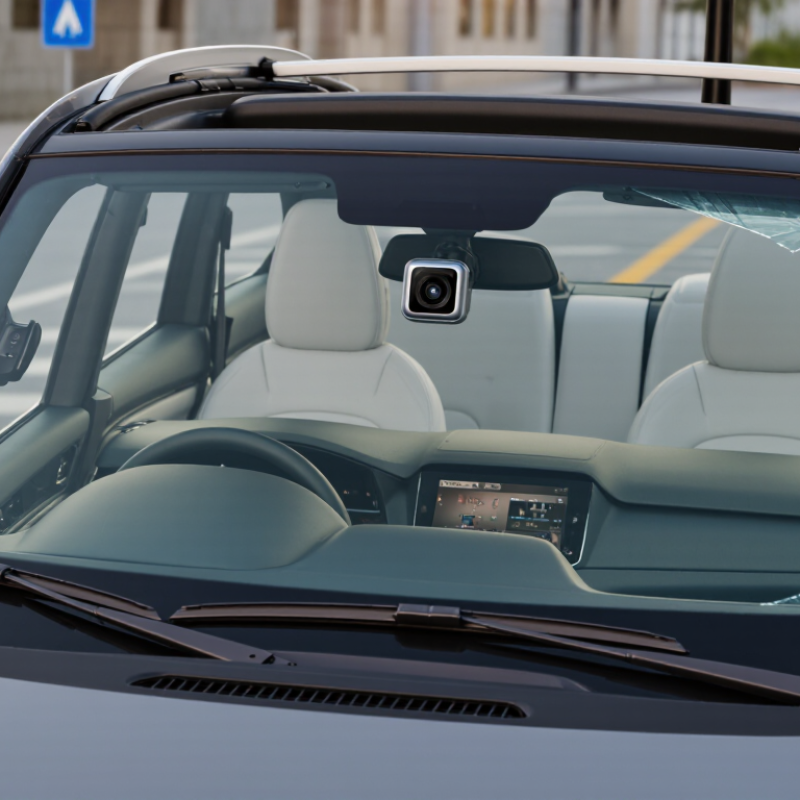
Modern glass has another responsibility. The Insurance Institute for Highway Safety explains that many driver-assistance systems use cameras positioned behind the windshield. After replacement, incorrect glass, poor fitting, or missed calibration can affect lane support and automatic braking. AAA Foundation research has also highlighted the repair complexity and cost of camera-based safety systems. The technology is useful, but not foolproof.

Small defects can become large distractions. A stone chip near the driver’s sightline may distort a cyclist, traffic sign, or child crossing the road. Rain can make the distortion worse. This is where drivers, technicians, and manufacturers share responsibility. Auto glass improves safety only when it remains clear, correctly installed, and properly calibrated. That may sound obvious. Real-world maintenance is less perfect.
How Does Auto Glass Improve Driving Safety?

Windshield Structural Support: 45% Front-Impact, 60% Rollover Strength (AGSC)

I used to think a windshield mainly blocked wind, rain, and road dust. That view changed after seeing a damaged vehicle after a collision. The glass was cracked, yet it had helped keep the roofline stable. According to the Auto Glass Safety Council, a windshield can provide about 45% of front-impact structural support and 60% of rollover strength. Those figures deserve attention.

In a frontal crash, the windshield works with the vehicle frame and airbags. Properly bonded glass helps preserve the passenger compartment when forces move forward. During a rollover, it can support the roof and reduce collapse risk. It is not a standalone shield. Every part matters. A loose edge, hidden crack, or poor installation may weaken that relationship. I cannot inspect every bond by sight, and that limitation matters. Trained technicians follow careful procedures, clean surfaces, and allow proper curing time.

Drivers often ignore small chips because visibility still seems normal. That choice can change quickly in cold weather, vibration, or another impact. I have noticed that glare makes tiny damage harder to judge at dusk. Replacing glass is not merely cosmetic. The work should restore clear vision and reliable structural attachment. Ask what damage was found, how the glass was installed, and when the vehicle is safe to drive. Documentation helps, but careful workmanship matters more.

Laminated Safety Glass: Two Layers and a Plastic Interlayer Limit Ejection

How Does Auto Glass Improve Driving Safety?

Laminated safety glass uses two layers of glass bonded to a tough plastic interlayer. This structure matters when a windshield suffers a sharp impact. Instead of breaking into loose pieces, the damaged glass usually forms a web of cracks. The plastic layer helps hold those fragments together.

During vehicle inspections, this difference is easy to notice. A small stone strike may spread across the windshield, yet the panel can remain partly intact. That stability helps preserve the driver’s forward view and reduces the chance of glass entering the cabin.

More importantly, the bonded layers can limit occupant ejection during a severe collision. The glass may break, but it is less likely to disappear from the frame as one dangerous opening.

Laminated glass is not invincible. A deep crack, damaged edge, or poorly repaired chip can weaken its performance. It can also distort light, especially near the driver’s sightline. I have found that people often focus on crack size alone. That is not enough. Location, depth, impact force, and the condition of the surrounding seal also matter. Replacement should match the vehicle’s required safety design, not merely fit the opening. Small damage deserves prompt attention, even when the glass still looks usable.

Chip Repair Thresholds: ROLAGS Covers Many Chips Under 1 Inch

How Does Auto Glass Improve Driving Safety?

A small windshield chip can look harmless beside a steering wheel. It is not always harmless. Under the ROLAGS standard, many chips under one inch may qualify for professional repair. The measurement alone does not decide the outcome. A technician also checks the chip’s depth, shape, location, and cleanliness. Chips near the windshield edge can spread more quickly. Damage directly in the driver’s viewing area may require extra caution.

Repairing a suitable chip helps restore the glass’s strength and limits moisture from entering the damaged area. Moisture can freeze, expand, and turn a small mark into a longer crack. During an inspection, a technician may use a ruler, bright light, and specialized resin equipment. The glass should be assessed before driving through rough roads or sudden temperature changes. Timing matters.

A one-inch threshold sounds simple, but real damage is rarely perfect. Some chips measure less than one inch yet contain hidden cracks. Others look larger but remain stable after careful evaluation. I have seen drivers focus only on size and overlook location. That is an easy mistake. A qualified technician should explain the repair limits clearly, document the damage, and advise replacement when repair cannot reliably restore visibility or structural performance.

ADAS Camera Calibration: Post-Replacement Accuracy Is a Safety Requirement

A clear windshield supports safe driving, but its camera position matters just as much. Many vehicles place an ADAS camera behind the glass. It reads lane markings, traffic signs, and nearby vehicles. Even a small change in its angle can affect these readings.

Windshield replacement may alter the camera’s view by a few millimeters. That sounds minor. It is not always minor on the road. A trained technician should check the vehicle’s repair requirements before removing the glass. The correct glass shape, mounting position, adhesive curing time, and camera bracket alignment all matter. After installation, the vehicle may need static calibration, dynamic calibration, or both. Static calibration uses controlled targets and accurate measurements. Dynamic calibration uses a road test with suitable markings and conditions.

The dashboard may show no warning light after replacement. That does not prove the system is accurate. A qualified repair facility should scan for faults, follow the vehicle’s documented procedure, and record the calibration result. Road conditions can also interfere with testing. Rain, glare, faded lane lines, or heavy traffic may produce unreliable results. A careful technician should pause and repeat the process when conditions are unsuitable. In practice, small details are easy to overlook. That is why post-replacement calibration deserves the same attention as the glass itself.

How Does Auto Glass Improve Driving Safety? - ADAS Camera Calibration: Post-Replacement Accuracy Is a Safety Requirement

Safety Dimension Relevant Condition or Event Required Safety Action Why Accuracy Matters Recommended Verification
Forward-facing camera position The camera is mounted on or near the windshield and the windshield is replaced. Check the vehicle manufacturer's repair requirements and perform the specified calibration when required. Even a small change in camera position, glass geometry, or mounting alignment can alter the camera's field of view. Record the calibration result and confirm that no relevant fault or warning remains active.
Lane-departure warning The system uses camera data to identify lane markings and detect unintended lane movement. Ensure the camera is correctly aligned and that the windshield area in front of it is clean and free from optical distortion. Incorrect alignment can affect lane-marking recognition and the timing or availability of warnings. Use a diagnostic scan and follow the specified static, dynamic, or combined calibration procedure.
Automatic emergency braking The system may use camera information to detect vehicles, pedestrians, or other road users. Restore the camera system according to the applicable repair instructions before returning the vehicle to normal use. Reliable object detection depends on correct sensor position, unobstructed visibility, and valid system operation. Confirm system status with a post-repair diagnostic check and verify that required road-test conditions have been met.
Windshield optical quality The replacement glass is installed in the camera viewing area. Use glass that is suitable for the vehicle's camera and sensor configuration, with correct brackets, coatings, and optical characteristics. Distortion, incorrect camera brackets, or unsuitable glass can degrade image quality and sensor interpretation. Inspect the camera area for distortion, contamination, adhesive residue, cracks, or installation defects.
Static calibration The vehicle is positioned in a controlled workshop environment using specified targets or equipment. Set up the vehicle, target distance, target height, floor level, and alignment measurements exactly as required. The camera calculates its reference position from precise vehicle and target geometry. Keep a record of measured setup conditions and the final calibration status.
Dynamic calibration The vehicle learns or confirms camera alignment during a specified drive under suitable road and visibility conditions. Follow the required driving route, speed range, lane-marking conditions, and weather limitations. The system needs adequate road information and stable operating conditions to complete its calibration process. Verify completion through the diagnostic system and document any conditions that prevented completion.
Vehicle geometry and ride height Wheel alignment, suspension height, tire size, or loading condition has changed. Inspect related vehicle geometry and address conditions that could affect sensor alignment before calibration. Camera aiming is relative to the vehicle body; changes in vehicle attitude can influence the sensor's measured view. Check alignment specifications, tire condition, suspension condition, and calibration prerequisites.
Warning indicators and diagnostic faults An ADAS warning, camera obstruction message, or calibration fault appears after repair. Do not treat the warning as a cosmetic issue; diagnose the cause before the vehicle is returned to the driver. A warning may indicate that a safety function is unavailable, limited, or operating outside its required conditions. Complete a diagnostic scan, correct identified faults, and confirm the final system status.
Post-repair documentation The windshield replacement and calibration have been completed. Document the vehicle condition, glass installation, calibration method, diagnostic results, and any limitations. A clear record supports traceability and shows whether required safety procedures were performed. Provide the completed repair and calibration record to the vehicle owner or fleet manager.
Driver awareness after replacement The driver receives the vehicle after glass replacement and ADAS work. Explain that ADAS functions may be temporarily unavailable or limited until calibration is successfully completed. Drivers need to understand system limitations and remain responsible for attentive control of the vehicle. Review warning messages, operating limitations, and the vehicle owner's instructions before handover.

Note: Calibration requirements vary by vehicle design and system configuration. The applicable vehicle manufacturer's repair and calibration instructions should be followed for every replacement.

FMVSS 205 and 212: Optical Quality and Occupant Ejection Protection

Auto glass supports safety through visibility and structural retention. FMVSS 205, administered by NHTSA, requires safety glazing to meet light-transmission and optical-quality requirements. The windshield’s AS-1 area generally requires at least 70% visible light transmittance. That matters at night, during rain, and when a cyclist appears beside a dark intersection. Distortion can be subtle. A straight road may look slightly curved through damaged glass.

FMVSS 212 addresses windshield retention during a crash. Its test uses a 30-mph impact condition to evaluate whether the windshield remains secured to its mounting system. Proper retention helps preserve the occupant compartment and can reduce the chance of partial or complete occupant ejection. It is not a complete ejection barrier. Seat belts remain essential. NHTSA’s 2022 occupant-protection data recorded a 91.6% front-seat belt-use rate, yet thousands of vehicle occupants still died in crashes that year. Glass performance cannot replace restraint use.

Industry repair inspections often reveal practical weaknesses. A small chip near the driver’s viewing zone may create glare, while a loose seal can allow water and wind noise. FMVSS compliance is important, but installation quality also deserves attention. Cure time, alignment, and correct glazing materials can affect real-world performance. This is where assumptions fail. A windshield may look clear while its optical distortion remains noticeable from the driver’s seat. Professional inspection should consider both visibility and retention, not appearance alone.

How Does Auto Glass Improve Driving Safety?

FMVSS 205 addresses glazing materials and requires at least 70% visible-light transmittance in areas needed for driving visibility. FMVSS 212 evaluates windshield retention during a 30 mph frontal impact test, helping reduce the risk of windshield separation and occupant ejection.

The chart shows selected regulatory reference values from FMVSS 205 and FMVSS 212. The measurements use different units and are presented for comparison of safety focus, not as a combined performance score.

FAQS

Why does an ADAS camera need calibration after windshield replacement?

The camera may shift by only a few millimeters. That small change can affect lane, sign, and vehicle detection.

What should a technician check before removing the windshield?

They should verify the glass shape, camera bracket, mounting position, adhesive, and required curing time. Small details matter.

Is one type of calibration always enough?

No. The vehicle may require static calibration, dynamic calibration, or both. The documented repair procedure should decide.

What is static calibration?

It uses controlled targets and accurate measurements inside a suitable repair area. The camera is checked against fixed references.

What is dynamic calibration?

It uses a road test with clear lane markings and suitable traffic conditions. Rain and glare can make results unreliable.

Does a missing dashboard warning light prove calibration succeeded?

No. A silent dashboard is not proof. The vehicle should be scanned, tested, and documented by a qualified facility.

What optical problems can a replacement windshield create?

Distortion may bend a straight road or create glare near the driver’s viewing area. Clear-looking glass can still look wrong.

What does windshield retention testing evaluate?

A regulated crash test may use a 30-mph impact condition. It checks whether the windshield stays secured to its mounting system.

Can windshield performance replace seat belts?

No. Retained glass supports occupant protection, but seat belts remain essential. Glass is not a complete ejection barrier.

What should happen if testing conditions are poor?

The technician should pause and repeat the process later. Faded lines, heavy traffic, rain, and glare can mislead the system. I would not rush it.

Conclusion

How does auto glass improve driving safety? It plays a structural and protective role far beyond providing visibility. A properly installed windshield can contribute approximately 45% of a vehicle’s front-impact strength and up to 60% of its rollover support. Laminated safety glass, made with two glass layers and a durable plastic interlayer, helps hold the windshield together during a collision and reduces the risk of occupants being ejected through the glass. Clear, distortion-free glass also supports accurate depth perception and safer decision-making on the road.

Small chips should be inspected and repaired promptly, especially when they are under about one inch and meet common repair guidelines. If damage spreads or affects the driver’s viewing area, replacement may be safer. Vehicles equipped with windshield-mounted driver-assistance cameras require precise calibration after replacement so features such as lane guidance and collision warnings can operate accurately. Safety standards also address optical quality and occupant ejection protection, making professional installation and proper glass specifications essential parts of vehicle safety.

Amelia

Amelia

Amelia is a seasoned marketing professional with a wealth of expertise in our company’s core offerings. With an unwavering passion for driving growth and innovation, she plays a pivotal role in shaping our marketing strategies and enhancing brand visibility. A key aspect of her responsibilities......